 5 citations
,
January 2021 in “iScience”
5 citations
,
January 2021 in “iScience” Using a combination of specific cell cycle regulators is better for safely keeping hair root cells alive indefinitely compared to cancer-related methods.
 September 2017 in “Journal of Investigative Dermatology”
 Certain products and treatments can improve hair health and growth.
1 citations
,
November 2025 in “Stem Cell Research & Therapy” Immortalized hair follicle cells could be useful for regenerative medicine and treating inflammation and oxidative stress.
7 citations
,
March 2017 in “Experimental and Therapeutic Medicine” Hair follicle cells can help keep embryonic stem cells undifferentiated.
 January 2012 in “Durham e-Theses (Durham University)”
 Keratin 15 affects cell behavior and characteristics in skin cells.
 4 citations
,
December 2022 in “International Journal of Molecular Sciences”
4 citations
,
December 2022 in “International Journal of Molecular Sciences” Zinc is crucial for skin health and treating various skin disorders.
January 2011 in “The Chinese Journal of Dermatovenereology” DPC-hTERT cells can create hair follicle-like structures.
 3 citations
,
January 2018 in “PeerJ”
3 citations
,
January 2018 in “PeerJ” Researchers created a long-lasting mouse skin cell strain that may help with hair growth research and treatments.
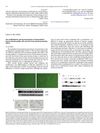 13 citations
,
September 2010 in “Journal of Dermatological Science”
13 citations
,
September 2010 in “Journal of Dermatological Science” Researchers made a cell line that grows quickly and can help with hair growth research.
Dermal papilla cells can help form hair-like structures in lab-grown skin cells.
 28 citations
,
March 2010 in “Histochemistry and cell biology”
28 citations
,
March 2010 in “Histochemistry and cell biology” Skin cells can help create early hair-like structures in lab cultures.
1 citations
,
November 2023 in “Journal of Microbiology and Biotechnology” Immortalized human dermal papilla cells were created that grow better and can still help form hair.
 8 citations
,
March 2020 in “Frontiers in Cell and Developmental Biology”
8 citations
,
March 2020 in “Frontiers in Cell and Developmental Biology” Researchers created immortal human skin cells with constant testosterone receptor activity to study hair loss and test treatments.
 51 citations
,
August 2013 in “Journal of Investigative Dermatology”
51 citations
,
August 2013 in “Journal of Investigative Dermatology” Human skin cells can create new hair follicles when transplanted into mice.
 16 citations
,
January 2018 in “Biochemical and Biophysical Research Communications”
16 citations
,
January 2018 in “Biochemical and Biophysical Research Communications” Researchers created five new human scalp cell lines that could be useful for hair growth and loss research.
 April 2022 in “Research Square (Research Square)”
 Researchers created a stable rabbit cell line for hair research that doesn't age quickly or become cancerous.
 25 citations
,
April 2008 in “Archives of Dermatological Research”
25 citations
,
April 2008 in “Archives of Dermatological Research” Encapsulated human hair cells can substitute for natural hair cells to grow hair.
106 citations
,
April 1986 in “British Journal of Dermatology” Dermal papilla cells from human hair follicles form unique structures and don't live as long as other skin cells in lab conditions.
32 citations
,
August 2006 in “Archives of Dermatological Research” Dermal papilla cells can help regrow hair follicles.
45 citations
,
May 1992 in “Journal of Investigative Dermatology” January 2006 in “Chinese Journal of Medical Aesthetics and Cosmetology” Microencapsulated human hair cells can successfully grow new hair follicles in mice.
July 2017 in “Biology bulletin/Biology bulletin of the Russian Academy of Sciences” Specific conditions are needed to keep hair follicle cells effective for hair growth.
March 2026 in “Pigment Cell & Melanoma Research” Clear documentation and shared best practices are essential for improving research consistency in pigment cells.

Researchers improved mouse skin cell culture methods and created a similar immortal cell line, but need to clarify their methods and benefits.
 8 citations
,
July 2019 in “Cell Proliferation”
8 citations
,
July 2019 in “Cell Proliferation” Researchers found a way to turn skin cells into cells that can grow new hair.
 October 2024 in “Biology”
 Dermal papilla cells can help regrow hair and are promising for hair loss treatments.
25 citations
,
July 1994 in “Journal of Cell Science” Immortalized rat dermal papilla cells can still induce hair growth.
 April 2017 in “Journal of Investigative Dermatology”
 Stem cells can create hair follicles, potentially treating permanent hair loss, and healthy skin and hair depend on mitochondrial function and special fats.
January 2024 in “SSRN Electronic Journal” December 2025 in “Preprints.org” Aging dermal papilla cells can be reprogrammed for potential hair growth and skin repair.