April 2019 in “Journal of Investigative Dermatology” Targeting immune pathways like JAK/STAT may help treat frontal fibrosing alopecia.
5 citations
,
April 2019 in “Journal of Investigative Dermatology” Oral JAK inhibitors improved alopecia areata by modulating immune responses and boosting hair growth.
April 2018 in “The journal of investigative dermatology/Journal of investigative dermatology” Certain immune cells, when activated by specific signals, can encourage hair growth.
IL-1 signaling is crucial for hair follicle stem cell growth and wound healing.
July 2024 in “Journal of Investigative Dermatology” Linalool in fragrances may harm hair follicles and contribute to hair loss.
16 citations
,
September 2024 in “Science Translational Medicine” New scientific advancements offer hope for better treatments for skin fibrosis.
8 citations
,
August 2019 in “ACR Open Rheumatology” Defective repair processes may cause immune activation and inflammation in psoriatic disease.
 2 citations
,
August 2022 in “JAAD case reports”
2 citations
,
August 2022 in “JAAD case reports” COVID-19 vaccines may rarely worsen hair loss in people with severe alopecia, but the benefits of vaccination still outweigh this risk.
 1 citations
,
August 2018 in “bioRxiv (Cold Spring Harbor Laboratory)”
1 citations
,
August 2018 in “bioRxiv (Cold Spring Harbor Laboratory)” A new mutation in the TMEM173 gene and a risk allele in IFIH1 cause a unique set of immune-related symptoms.
 February 2026 in “Zenodo (CERN European Organization for Nuclear Research)”
 Alopecia affects mental health, causing depression and anxiety, but new treatments can improve both hair growth and quality of life.
 February 2026 in “Zenodo (CERN European Organization for Nuclear Research)”
 Alopecia affects mental health, causing depression and anxiety, but new treatments can help improve both hair growth and quality of life.
 December 2025 in “Babcock University Medical Journal”
 CD27 and IL-35 can help diagnose alopecia areata linked to bacterial infections.
July 2025 in “Journal of Investigative Dermatology” Discoid lupus erythematosus involves immune activation and fibrosis around hair follicles, with shared pathways across humans, dogs, and mice, suggesting potential treatments for both humans and animals.
 June 2025 in “bioRxiv (Cold Spring Harbor Laboratory)”
 In alopecia areata, certain immune cells increase and express a protein linked to immune activation.
 February 2008 in “Experimental dermatology”
 Oxidative stress plays a significant role in vitiligo, and both skin and non-skin cells may be involved.
 October 2025 in “Clinical Cosmetic and Investigational Dermatology”
 Targeting specific cell interactions may help treat skin fibrosis.
 47 citations
,
December 2019 in “Frontiers in immunology”
47 citations
,
December 2019 in “Frontiers in immunology” A new mutation in the STING protein causes a range of symptoms and its severity may be affected by other genetic variations; treatment with a specific inhibitor showed improvement in one patient.
39 citations
,
April 2022 in “Biomedical Materials” A special gel helps heal skin wounds without scars by calming the immune response.
 23 citations
,
June 2003 in “Journal of Investigative Dermatology Symposium Proceedings”
23 citations
,
June 2003 in “Journal of Investigative Dermatology Symposium Proceedings” Alopecia Areata is an autoimmune disease affecting hair follicles, influenced by genetic and environmental factors, with rodent models being essential for research.
1 citations
,
November 2024 in “Orphanet Journal of Rare Diseases” Changes in genes FGA, VWF, and ACTG1 may contribute to pemphigus vulgaris.
February 2026 in “Journal of Allergy and Clinical Immunology” Alopecia areata involves immune system issues and specific cell types that disrupt hair growth, leading to hair loss.
July 2025 in “Journal of Investigative Dermatology” Ritlecitinib reduces alopecia areata symptoms by blocking JAK3/TEC signaling and T-cell activity.
 April 2016 in “Journal of Investigative Dermatology”
 Vitamin D can reduce skin inflammation caused by UV rays by enhancing cell "fitness" and skin repair.
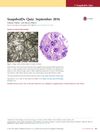 August 2016 in “Journal of Investigative Dermatology”
 Scalp psoriasis features reversible hair loss and specific immune activation, with no significant hair follicle damage.
 50 citations
,
January 2016 in “The FEBS journal”
50 citations
,
January 2016 in “The FEBS journal” RANK is a key target in breast cancer treatment due to its role in tumor growth and bone metastasis.
16 citations
,
January 2022 in “International journal of molecular sciences” Certain daily habits like stress, diet, and sleep can affect the severity of hair loss in alopecia areata.
7 citations
,
November 2018 in “British Journal of Dermatology” Alopecia areata is caused by immune system issues, and JAK inhibitors might help treat it.
March 2025 in “The Egyptian Journal of Medical Microbiology” Inflammation is linked to hair loss.
November 2024 in “Journal of Investigative Dermatology” Secukinumab reduces immune activity in hidradenitis suppurativa skin.
1 citations
,
September 2025 in “Physiologia” Ovalbumin–aluminum sensitization causes increased pain sensitivity and nerve changes in mice.