 2 citations
,
January 2014 in “Hair therapy & transplantation”
2 citations
,
January 2014 in “Hair therapy & transplantation” New treatments for hair growth disorders are needed due to limited current options and complex hair follicle biology.
 1 citations
,
March 2025 in “Frontiers in Physiology”
1 citations
,
March 2025 in “Frontiers in Physiology” Methotrexate, resveratrol, and curcumin may help treat alopecia areata by targeting immune cells.
 1 citations
,
September 2023 in “Clinical, cosmetic and investigational dermatology”
1 citations
,
September 2023 in “Clinical, cosmetic and investigational dermatology” Certain genetic variants linked to immune response increase the risk of alopecia areata in Taiwanese people.
 June 2026 in “International Journal of Bioprinting”
 3D bioprinting shows promise for skin regeneration but needs more development to fully replicate natural skin.
 June 2026 in “Frontiers in Cell and Developmental Biology”
 MicroRNAs can help regenerate hair by influencing stem cells and immune responses, but delivery challenges exist.
 April 2026 in “Journal of Pharmaceutical Investigation”
 Nanotechnology could improve treatment for scars and atopic dermatitis by targeting skin issues more effectively.
March 2026 in “Skin Appendage Disorders” Belatacept may be a promising treatment for alopecia areata.
 January 2026 in “International Journal of All Research Education & Scientific Methods”
 Alopecia is caused by various factors, and new treatments like gene editing and regenerative medicine offer hope for personalized hair regrowth solutions.
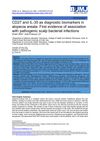 December 2025 in “Babcock University Medical Journal”
 CD27 and IL-35 can help diagnose alopecia areata linked to bacterial infections.
November 2025 in “Advanced Healthcare Materials” Bioprinting is improving skin models for better testing of skin diseases without using animals.
 October 2025 in “Frontiers in Immunology”
 Platelet-rich plasma might help treat eczema by reducing inflammation and repairing the skin.
September 2025 in “JID Innovations” Squaric acid dibutylester promotes hair growth by activating immune cells, especially macrophages.
 March 2024 in “International Journal of Cosmetic Science”
 Dandruff is linked to increased T cells and weakened immune protection in hair follicles.
 October 2023 in “Frontiers in medicine”
 Targeted immunotherapy could be a promising new treatment for hair regrowth.
 September 2023 in “Medicine”
 The research suggests immune system changes and specific gene expression may contribute to male hair loss, proposing potential new treatments.
 April 2023 in “Medizinische Genetik”
 New research has found 14 genes linked to the risk of developing alopecia areata, improving understanding and treatment options.
 November 2015 in “European Journal of Inflammation”
 Cicatricial alopecia, a permanent hair loss condition, is mainly caused by damage to specific hair follicle stem cells and abnormal immune responses, with gene regulator PPAR-y and lipid metabolism disorders playing significant roles.
 January 2026 in “Inflammation and Regeneration”
 Two-photon microscopy improves skin imaging but faces safety and cost challenges for clinical use.

Dexamethasone-primed stem cell media shows promise in treating lupus by reducing symptoms and inflammation.

Wild African goats have genetic adaptations for surviving harsh desert conditions.
 22 citations
,
September 2019 in “ACS omega”
22 citations
,
September 2019 in “ACS omega” The new nanocomposite films are stronger, protect against UV, speed up wound healing, and are antibacterial without being toxic.
 9 citations
,
February 2022 in “Nature communications”
9 citations
,
February 2022 in “Nature communications” Rare changes in the KRT82 gene are linked to a higher risk of Alopecia Areata.
 5 citations
,
May 2018 in “PloS one”
5 citations
,
May 2018 in “PloS one” Both classical and L-type atypical BSE from cattle can infect goats with different incubation times, and tests can distinguish between the two strains.
 4 citations
,
November 2014
4 citations
,
November 2014 The skin protects the body, regulates temperature, senses touch, and makes vitamin D.
5 citations
,
January 2024 in “JID Innovations” CCCA involves immune response and metabolism issues, suggesting new treatment options.
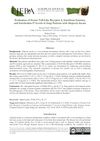 March 2026 in “European journal of ecology, biology and agriculture.”
 Patients with alopecia areata have higher levels of certain immune markers, suggesting new treatment targets.
 37 citations
,
October 2017 in “Clinical and Experimental Dermatology”
37 citations
,
October 2017 in “Clinical and Experimental Dermatology” Oral tofacitinib shows promise in treating atopic dermatitis and alopecia areata, but only slight improvement in vitiligo.
13 citations
,
May 2023 in “Journal of Dermatological Science” Reduced SIRT1 in hair cells may cause alopecia areata by triggering immune responses.
 1 citations
,
April 2024 in “Journal of Autoimmunity”
1 citations
,
April 2024 in “Journal of Autoimmunity” Interleukin-15 can help hair growth and protect hair follicles.
 April 2025 in “BMC Immunology”
 Targeting SIRT1 with antisense oligonucleotides could be a promising treatment for hair loss.