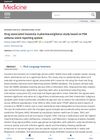
Certain medications, especially nervous system drugs, can cause insomnia, with risks varying by age and gender.
 March 2026 in “Nutrients”
 Vitamin D is needed for metformin to lower prolactin effectively.
 February 2026 in “Animals”
 Methionine supplementation in low-protein diets improves growth, fur quality, and gut health in blue foxes.
November 2025 in “Journal of Cosmetic Dermatology” Saw palmetto extract safely improves hair growth and reduces hair loss.
November 2025 in “Molecules” Microextraction techniques improve hormone testing while being environmentally friendly.
November 2025 in “British Journal of Dermatology” The guideline recommends personalized treatment for alopecia areata, including new oral medications and psychological support.
August 2025 in “Frontiers in Nutrition” Leucine levels may affect hair loss after bariatric surgery.
 June 2025 in “Naunyn-Schmiedeberg s Archives of Pharmacology”
 Herbal remedies may help with hair loss but need more research.
 June 2025 in “Clinical Cosmetic and Investigational Dermatology”
 Gray hair can potentially be managed or reversed with treatments that boost melanin production and address nutritional deficiencies.
A special diet can help manage Feline Atopic Skin Syndrome and reduce medication needs in cats.
 February 2025 in “IntechOpen eBooks”
 Postpartum care should address hormonal changes, nutrition, and support to ensure mother and baby well-being.
 January 2025 in “Applied Sciences”
 Sulforaphane from broccoli may help treat certain cancers, hormone issues, and hair loss.
 January 2025 in “Annals of Dermatology”
 COVID-19 vaccination may slightly increase the risk of hair loss, but benefits outweigh this risk.
 August 2024 in “Aesthetic Plastic Surgery”
 Exosome treatment safely increases hair density in male patients with androgenetic alopecia.
 February 2024 in “Biomedicines”
 Hormones like androgens, estrogen, thyroid hormones, and stress hormones can contribute to hair loss, and treatments target these hormonal imbalances.
December 2023 in “Indian Journal of Endocrinology and Metabolism” Early diagnosis, genetic testing, and innovative treatments are crucial for managing complex medical conditions.
 January 2023 in “International Journal of Dermatology and Venereology”
 Many people experienced hair loss after having COVID-19, with the worst cases in hospitalized patients, and some saw hair regrowth within six months.
 September 2022 in “Dermato”
 Adult acne is often related to hormonal disorders, especially in women, and may need long-term treatment involving specialists.
 May 2022 in “Journal of the Egyptian Women's Dermatologic Society (Print)”
 Women's hair loss can be due to hormonal changes and various conditions, with treatments focusing on stopping progression and managing symptoms.
November 2020 in “IntechOpen eBooks” Not getting enough minerals can lead to health problems and shorter lifespans.
February 2009 in “Journal of the American Academy of Dermatology” 95 citations
,
August 2013 in “Journal of Investigative Dermatology” HPT axis hormones boost mitochondrial function and growth in hair follicles, potentially aiding hair health.
22 citations
,
January 2017 in “Journal of steroid biochemistry and molecular biology/The Journal of steroid biochemistry and molecular biology” A new method accurately measures nine specific hormones in human blood.
 August 2023 in “Tzu Chi Medical Journal”
 Iron deficiency is the main cause of hair loss in women, and iron supplements started within 6 months can improve hair health.
380 citations
,
February 2023 in “Journal of Clinical Medicine” PCOS is influenced by various factors and may be managed by restoring gut health and using new therapies.
 146 citations
,
January 2004 in “Hormones”
146 citations
,
January 2004 in “Hormones” Human skin acts like a hormone-producing organ, making and managing various hormones important for skin and hair health.
90 citations
,
April 2013 in “Dermatology online journal” Different treatments for Hidradenitis suppurativa range from antibiotics and hormonal therapies to surgery, depending on severity.
 90 citations
,
December 2007 in “Current Oncology”
90 citations
,
December 2007 in “Current Oncology” Non-hormonal treatments should be used first for sexual dysfunction in postmenopausal breast cancer patients on aromatase inhibitors, with hormones as a second option.
70 citations
,
February 2025 in “Journal of Ovarian Research” PCOS involves hormonal imbalance, cysts, and ovulation issues, affecting health and increasing disease risks.
68 citations
,
May 2024 in “International Journal of Molecular Sciences” Personalized acne treatments and new therapies show promise for better results.