 April 2024 in “Human genomics”
 Identified genes linked to male-pattern baldness may help develop new treatments.
 August 2022 in “IntechOpen eBooks”
 The best treatment for Frontal Fibrosing Alopecia and Lichen Planopilaris combines oral and topical medications to reduce symptoms and stop hair loss.
 27 citations
,
March 2012 in “Dermatologic Surgery”
27 citations
,
March 2012 in “Dermatologic Surgery” Higher caspase-1 levels found in balding scalps; reducing it may help treat hair loss.
 44 citations
,
November 1998 in “Australasian Journal of Dermatology”
44 citations
,
November 1998 in “Australasian Journal of Dermatology” Accurate diagnosis is key for treating different kinds of hair loss, and immune response variations may affect the condition and treatment results.
24 citations
,
June 2008 in “Journal of Cutaneous Pathology” The exact cause of hidradenitis suppurativa is still unknown.
 23 citations
,
December 2021 in “Frontiers in Immunology”
23 citations
,
December 2021 in “Frontiers in Immunology” IL-1 family cytokines are crucial for skin defense and healing, but their imbalance can cause skin diseases.
23 citations
,
September 2020 in “Journal of Dermatological Science” Targeting Vδ1+T-cells may help treat alopecia areata.
 9 citations
,
May 2021 in “Immunological Reviews”
9 citations
,
May 2021 in “Immunological Reviews” Different types of fibroblasts play various roles in kidney repair and aging, and may affect chronic kidney disease outcomes.
5 citations
,
February 2022 in “Seminars in cell & developmental biology” Recent findings suggest that genetic factors, immune system issues, and skin cell defects might contribute to the development of hidradenitis suppurativa.
4 citations
,
August 2024 in “Skin Research and Technology” The study was retracted.
 November 2017 in “British Journal of Dermatology”
 Organ transplant recipients have a higher risk of skin cancer over time, atopic dermatitis skin shows unusual bacterial and fungal patterns, a new tool for measuring hidradenitis suppurativa severity was created, and gene expression changes in male baldness suggest new treatments.

Blood cell counts could help predict and treat alopecia areata and telogen effluvium.
 June 2024 in “Journal of Allergy and Clinical Immunology”
 TSLP affects atopic dermatitis by increasing sebum and reducing fat through IL-4/IL-13 signaling.
April 2021 in “Journal of Investigative Dermatology” Arg1+ macrophages may play a role in causing alopecia areata.
August 2010 in “Oncology Times” Provenge extends prostate cancer survival by about 4 months.
13 citations
,
October 2021 in “International Journal of Molecular Sciences” The HATMSC1 cell line from fat tissue can produce helpful factors for regenerative and immune therapies.
16 citations
,
March 2017 in “Oncotarget” SOCS3 treatment can prevent hair loss by stopping harmful immune responses.
February 2017 in “Zenodo (CERN European Organization for Nuclear Research)” Psoriasis is a common skin disorder caused by immune system issues, treatable with various therapies.
ILC1-like cells may contribute to hair loss in alopecia areata.
ILC1-like cells may contribute to hair loss in alopecia areata and could be new treatment targets.
 56 citations
,
November 2010 in “Pigment Cell & Melanoma Research”
56 citations
,
November 2010 in “Pigment Cell & Melanoma Research” Brain hormones significantly affect hair color and could potentially be used to prevent or reverse grey hair.
7 citations
,
January 2022 in “Biomedicines” Cells from the lower part of hair follicles are a promising, less invasive option for immune system therapies.
 December 2025 in “Journal of Composites and Compounds”
 Composite biomaterials can precisely control immune responses for better disease treatment.
 September 2024 in “South Eastern European Journal of Public Health”
 Treatment improved PCOS symptoms and reduced BMI and certain immune factors.
 130 citations
,
November 2017 in “Frontiers in Immunology”
130 citations
,
November 2017 in “Frontiers in Immunology” The conclusion is that Treg-targeted therapies have potential, but more knowledge of Treg biology is needed for effective treatments, including for cancer.
22 citations
,
August 2021 in “Frontiers in medicine” Immune cells in Hidradenitis suppurativa become more inflammatory and may be important for treatment targets.
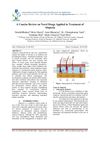
New therapies like JAK inhibitors, PRP, and stem cell treatments show promise for better alopecia management.
New diabetes tech and therapies improve care for endocrine disorders.
 48 citations
,
January 2024 in “Immune Network”
48 citations
,
January 2024 in “Immune Network” IL-15 is key for T cell function and could help improve treatments for immune-related diseases.
 88 citations
,
July 2014 in “Journal of the American Academy of Dermatology”
88 citations
,
July 2014 in “Journal of the American Academy of Dermatology” Targeted cancer therapies often cause skin reactions, so dermatologists must manage these effects.