 1 citations
,
December 2025 in “Frontiers in Pharmacology”
1 citations
,
December 2025 in “Frontiers in Pharmacology” Placental extracts have antioxidant, anti-inflammatory, and immune-boosting effects, but their exact workings are unclear.
 June 2026 in “Research Square”
 Alopecia areata may be influenced by both genetics and environment, requiring family monitoring and addressing stress and infections.
 March 2026 in “Aging Research”
 Personalized anti-aging strategies are important, considering genetics and lifestyle.
 February 2026 in “International Journal of Recent Surgical and Medical Sciences”
 Human exosomes are effective for targeted treatments but face scalability issues, while plant exosomes are cost-effective for cosmetics.
 February 2026 in “International Journal of Web of Multidisciplinary Studies”
 Restoring microbial balance and using exosome therapies may help treat hair disorders like alopecia and acne.
 December 2025 in “Indian Journal of Case Reports”
 Stopping azathioprine improved hair loss and bone marrow issues.
 October 2025 in “Frontiers in Immunology”
 Platelet-rich plasma might help treat eczema by reducing inflammation and repairing the skin.
 March 2025 in “Medical & Clinical Research”
 Stem cell therapy can help regrow hair and increase hair density.
 October 2023 in “bioRxiv (Cold Spring Harbor Laboratory)”
 Immune cells are essential for early hair and skin development and healing.

Garlic can help hair grow by activating certain growth pathways, and it works whether you eat it or apply it to your scalp.
 September 2022 in “Skin appendage disorders”
 Seborrheic dermatitis may contribute to the development of central centrifugal cicatricial alopecia.

Enhanced stem cells from the placenta can reduce fat cell formation in eye disease.
June 2020 in “Journal of skin and stem cell” The patient's hair loss from alopecia totalis returned despite initial successful treatment.
 May 2017 in “InTech eBooks”
 Some hair loss disorders cause permanent loss due to scarring, and treatments like steroids don't always work well.
 December 2015 in “Vascular Pharmacology”
 Hair papilla cells are crucial for blood vessel development in hair follicles, affecting hair growth and loss.
 December 2015 in “Vascular Pharmacology”
 Different cells affect hair follicle blood vessels, endothelial cells react differently to inflammation and oxidized fats, and prasugrel better protects heart vessels during a procedure than clopidogrel.
December 2022 in “Clinical and experimental dermatology and therapies” Adding the topical gel improved hair growth more than using minoxidil or finasteride alone.
 159 citations
,
July 2006 in “Endocrine Reviews”
159 citations
,
July 2006 in “Endocrine Reviews” Estrogens significantly influence hair growth by interacting with receptors in hair follicles and may help regulate the hair growth cycle.
 224 citations
,
March 2006 in “Seminars in Cutaneous Medicine and Surgery”
224 citations
,
March 2006 in “Seminars in Cutaneous Medicine and Surgery” The document concludes that understanding hair follicle biology can lead to better hair loss treatments.
 109 citations
,
July 1993 in “The journal of investigative dermatology/Journal of investigative dermatology”
109 citations
,
July 1993 in “The journal of investigative dermatology/Journal of investigative dermatology” Hair color production is closely linked to the active growth phase of hair in mice and may also influence hair growth itself.
 64 citations
,
July 2011 in “Dermatologic Therapy”
64 citations
,
July 2011 in “Dermatologic Therapy” Scalp cooling can prevent chemotherapy-induced hair loss, and certain treatments can speed up hair regrowth, but more research is needed for better treatments.
 43 citations
,
July 2019 in “Stem Cells International”
43 citations
,
July 2019 in “Stem Cells International” Advancements in creating skin grafts with biomaterials and stem cells are promising, but more research is needed for clinical application.
 11 citations
,
November 2012 in “Seminars in Cutaneous Medicine and Surgery”
11 citations
,
November 2012 in “Seminars in Cutaneous Medicine and Surgery” Genetic factors affect hair loss, and molecular testing may help predict, diagnose, and treat it.
1 citations
,
July 2022 in “Frontiers in Pharmacology” Dutasteride may help protect neurons and reduce inflammation in Parkinson's disease.
 April 2026 in “International Journal of Clinical Oncology”
 Combining immune checkpoint inhibitors with other cancer therapies increases skin side effects in Asian patients.
 January 2026 in “Acta Dermatovenerologica Alpina Pannonica et Adriatica”
 Accurate diagnosis is crucial for effectively treating severe alopecia and related symptoms.
 December 2025 in “Babcock University Medical Journal”
 CD27 and IL-35 can help diagnose alopecia areata linked to bacterial infections.

Alopesi tedavisinde ilaçlar saç büyümesini teşvik eder ve yeni yaklaşımlar umut vaat eder.
 January 2025 in “Biomedicines”
 High testosterone levels can harm fertility by disrupting the LIF signaling pathway in the uterus.
 October 2016 in “Elsevier eBooks”
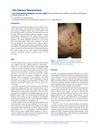
 Common noncancerous skin diseases have various treatments, including topical applications, light therapy, surgery, and medications, with psychological support being important.