 26 citations
,
March 2018 in “Dermatology and Therapy”
26 citations
,
March 2018 in “Dermatology and Therapy” EPC-CM can reduce skin aging signs by boosting the skin's defense system.
 20 citations
,
February 2013 in “Nutrition”
20 citations
,
February 2013 in “Nutrition” Selenium-enriched green tea might be a safe prebiotic for gut health.
 20 citations
,
July 1988 in “Clinics in dermatology”
20 citations
,
July 1988 in “Clinics in dermatology” Thioglycolate lotions are the most popular method for permanent waving and hair straightening.
 17 citations
,
January 2024 in “Journal of Materials Chemistry B”
17 citations
,
January 2024 in “Journal of Materials Chemistry B” A new nanoagent effectively kills bacteria and speeds up wound healing.
![Synthesis and 5α-Reductase Inhibitory Activity of 8-Substituted Benzo[ƒ]Quinolinones Derived from Palladium Mediated Coupling Reactions](/images/assets/2aedba8c-b0ac-4fa3-9ac7-9f375a016bba/small/15581.jpg) 14 citations
,
February 1998 in “Bioorganic & Medicinal Chemistry Letters”
14 citations
,
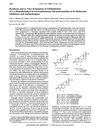
February 1998 in “Bioorganic & Medicinal Chemistry Letters” Some newly made compounds can block an enzyme linked to hair loss and prostate growth, with one in particular being very selective.
 12 citations
,
April 1995 in “Journal of Medicinal Chemistry”
12 citations
,
April 1995 in “Journal of Medicinal Chemistry” The new compounds moderately block a specific enzyme and strongly counteract a male hormone, suggesting potential for treating certain male-related health conditions.
 9 citations
,
March 2019 in “Scientific reports”
9 citations
,
March 2019 in “Scientific reports” Temporary ROS production in cultured human hair follicles promotes growth and stem cell activation.
 5 citations
,
April 2018 in “Chem”
5 citations
,
April 2018 in “Chem” Graphene-based hair dye is a safe, durable, and effective alternative to traditional black hair dyes.
 5 citations
,
December 2004 in “Dermatology”
5 citations
,
December 2004 in “Dermatology” Two women with very high androgen levels had only slight skin issues, one due to a non-classical adrenal disorder and the other due to an adrenal tumor.
 4 citations
,
September 2012 in “Journal of dermatological science”
4 citations
,
September 2012 in “Journal of dermatological science” The hair follicle's connective tissue is a key source of a certain collagen in human scalp skin.

New treatments for vitiligo may focus on protecting melanocyte stem cells from stress and targeting specific pathways involved in the condition.
 2 citations
,
November 2017 in “PloS one”
2 citations
,
November 2017 in “PloS one” Some vitamin D analogs can thicken skin and reduce pore size like a common acne treatment, with one analog also affecting skin growth factors.
 1 citations
,
April 2018 in “Journal of Investigative Dermatology”
1 citations
,
April 2018 in “Journal of Investigative Dermatology” Oleoylethanolamide (OEA) safely boosts fat production in skin cells and may help treat dry skin and reduce inflammation.

Certain ingredients in personal care products, like formaldehyde, oxidative hair dyes, and sulfates, pose health risks and need careful review.
 April 2018 in “Journal of Investigative Dermatology”
 Claudin-1 and Claudin-3 are crucial for keeping hair follicle structure and preventing a type of hair loss called telogen effluvium.
 April 2018 in “Journal of Investigative Dermatology”
 Acne patients' skin, both with and without lesions, shows a strong immune response and higher antimicrobial activity.
 April 2018 in “Journal of Investigative Dermatology”
 The role of γδT-cells in causing alopecia areata remains unclear.
 April 2018 in “Journal of Investigative Dermatology”
 Nicotinic acid reduces excessive oil production in skin cells by activating a specific receptor, which could help treat acne.
 March 2014 in “Journal of The American Academy of Dermatology”
 The document lists various dermatology topics, treatments, and diagnostic methods.
 57 citations
,
September 2017 in “Journal of controlled release”
57 citations
,
September 2017 in “Journal of controlled release” Nanocarrier-loaded gels improve drug delivery for cancer, skin conditions, and hair loss.
 34 citations
,
October 2024 in “Clinical Cosmetic and Investigational Dermatology”
34 citations
,
October 2024 in “Clinical Cosmetic and Investigational Dermatology” Azelaic acid is effective for treating rosacea, acne, and melasma.
 28 citations
,
January 2017 in “Critical Reviews in Therapeutic Drug Carrier Systems”
28 citations
,
January 2017 in “Critical Reviews in Therapeutic Drug Carrier Systems” Nanomaterials in biomedicine can improve treatments but may have risks like toxicity, needing more safety research.
 May 2026 in “Frontiers in Cell and Developmental Biology”
 Hair follicle organoids can help study hair biology and disorders but need improvements for wider use.
 March 2026 in “Tissue Engineering and Regenerative Medicine”
 Dopamine-modified adhesives are improving for sticking tissues underwater.
 January 2026 in “The Eurasian Journal of Life Sciences”
 Pectin nanofibers show promise for medical use due to their unique properties.
 June 2024 in “International journal of nanomedicine”
 Azelaic acid micro/nanocrystals, especially with ultrasound and salicylic acid, greatly improve acne treatment.
 185 citations
,
February 2018 in “Journal of Investigative Dermatology”
185 citations
,
February 2018 in “Journal of Investigative Dermatology” Melatonin may benefit skin health and could be a promising treatment in dermatology.
 119 citations
,
March 2020 in “Frontiers in Bioengineering and Biotechnology”
119 citations
,
March 2020 in “Frontiers in Bioengineering and Biotechnology” Asia has made significant progress in tissue engineering and regenerative medicine, but wider clinical use requires more development.
 83 citations
,
June 2020 in “Materials & Design”
83 citations
,
June 2020 in “Materials & Design” Sponge helps heal wounds faster with less inflammation and better skin/hair growth.
 42 citations
,
January 2021 in “Journal of Clinical Medicine”
42 citations
,
January 2021 in “Journal of Clinical Medicine” Microneedle arrays with nanotechnology show promise for painless drug delivery through the skin but need more research on safety and effectiveness.