1 citations
,
July 2022 in “Indian Journal of Dermatology” Bullous pyoderma gangrenosum can develop on cesarean scars and may require steroids for treatment.

Silk sericin dressing with collagen heals wounds faster and improves scar quality better than Bactigras.
 4 citations
,
December 1992 in “The American Journal of Cosmetic Surgery”
4 citations
,
December 1992 in “The American Journal of Cosmetic Surgery” The modified S pattern for scalp reduction is effective for removing more bald scalp and hiding scars in hair restoration.
1 citations
,
April 2022 in “Journal of cosmetic dermatology” Krox20 overexpression in fibroblasts may play a role in abnormal scar formation and could be a target for new treatments.
 2 citations
,
January 2022 in “Journal of Cutaneous and Aesthetic Surgery”
2 citations
,
January 2022 in “Journal of Cutaneous and Aesthetic Surgery” Injecting any solution helps acne scars, and ultrasound is useful for checking treatment results.

Early and accurate identification of primary scarring alopecias is crucial to prevent permanent hair loss.
 October 2021 in “The Egyptian Journal of Hospital Medicine ”
 Combination therapies work better than single treatments for atrophic acne scars.
 10 citations
,
January 2018 in “Elsevier eBooks”
10 citations
,
January 2018 in “Elsevier eBooks” Burn scars heal abnormally and more research is needed to find better treatments.
 6 citations
,
January 2023 in “npj regenerative medicine”
6 citations
,
January 2023 in “npj regenerative medicine” Transplanting growing hair follicles into scars can help regenerate and improve scar tissue.
 3 citations
,
August 2018 in “Journal der Deutschen Dermatologischen Gesellschaft”
3 citations
,
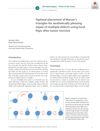
August 2018 in “Journal der Deutschen Dermatologischen Gesellschaft” The technique effectively repairs skin after tumor removal, maintaining appearance and function without complications.
2 citations
,
May 2018 in “Dermatologic Surgery” 1 citations
,
January 2023 in “The Egyptian Journal of Hospital Medicine” Combining subcision, PRP, and microneedling effectively treats acne scars with minimal side effects.
 42 citations
,
December 2014 in “Clinical, cosmetic and investigational dermatology”
42 citations
,
December 2014 in “Clinical, cosmetic and investigational dermatology” Nonablative radiofrequency treatments, especially microneedle and fractional types, can improve acne scars by 25%–75% after 3-4 sessions, with full results in 3 months and some side effects.
 13 citations
,
February 2018 in “Plastic and Reconstructive Surgery”
13 citations
,
February 2018 in “Plastic and Reconstructive Surgery” The study found that a specific signaling pathway helps skin wounds heal faster but may lead to larger scars.
 17 citations
,
March 2011 in “Pediatric Dermatology”
17 citations
,
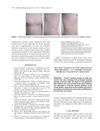
March 2011 in “Pediatric Dermatology” Two Sikh brothers developed permanent hair loss from wearing turbans tightly, a condition that became apparent after they moved to Austria.
9 citations
,
June 2020 in “JAAD Case Reports” Dissecting cellulitis may have genetic links and can cause permanent hair loss.
 5 citations
,
February 2017 in “Facial Plastic Surgery Clinics of North America”
5 citations
,
February 2017 in “Facial Plastic Surgery Clinics of North America” Improve chin and perioral scars with surgery, resurfacing, and other therapies, tailored to each patient.
 4 citations
,
January 2009 in “Indian Journal of Plastic Surgery”
4 citations
,
January 2009 in “Indian Journal of Plastic Surgery” Surgery for scar-related hair loss on the scalp and eyebrow was successful in 75% of patients.
 January 2025 in “Indian Dermatology Online Journal”
 Treatment reduced cystic lesions but didn't change existing Nevus Comedonicus.
 January 2024 in “RSC pharmaceutics”
 Removing the outer skin layer increases drug absorption and offers non-invasive treatment options, with some methods allowing for quick skin recovery.
1 citations
,
October 2022 in “Hair Transplantation” Surgical correction of cicatricial alopecia requires careful planning, with excision preferred over hair transplantation, and surgery should be delayed for stable conditions.
 November 2023 in “European medical journal. Dermatology”
 Early diagnosis and new treatments are crucial to prevent permanent hair loss in scarring alopecia.
18 citations
,
November 2009 in “Archives of Dermatology” Calcipotriol doesn't prevent hypertrophic scars, but keratinocyte activation is important in scar formation.
31 citations
,
August 1986 in “Plastic & Reconstructive Surgery” Nonabsorbable sutures cause less wound stretching and scarring than absorbable ones.
1 citations
,
January 2021 in “SSRN Electronic Journal” Transplanted hair follicles can improve and remodel mature scars.
 February 2022 in “Journal of Investigative Dermatology”
 Newborn skin cells can change into wound-healing cells more easily than adult ones, which might explain why baby skin heals without scars. Understanding this could help treat chronic wounds and prevent scarring.
 8 citations
,
June 2012 in “Australasian Journal of Dermatology”
8 citations
,
June 2012 in “Australasian Journal of Dermatology” A rare form of alopecia causes hair thinning without bald spots and may be more common than thought, responding well to steroid treatment.
 4 citations
,
April 2016 in “Plastic and reconstructive surgery. Global open”
4 citations
,
April 2016 in “Plastic and reconstructive surgery. Global open” Scalp medical tattooing effectively camouflages bifid parietal whorls.
10 citations
,
January 2014 in “International Journal of Trichology” Sarcoidosis can cause scarring hair loss on the scalp, which is rare.
 8 citations
,
January 2012 in “Dermatology Research and Practice”
8 citations
,
January 2012 in “Dermatology Research and Practice” New subcision technique with a bent needle and syringe improves ease, effectiveness, and comfort for treating acne scars.