Search
for
Sort by
Research
750-780 / 1000+ results research Author response: Stimulation of hair follicle stem cell proliferation through an IL-1 dependent activation of γδT-cells
IL-1 and IL-7 help activate cells that boost hair follicle stem cell growth, aiding wound healing.
research NAC1 directs CEP1-CEP3 peptidase expression and modulates root hair growth in Arabidopsis
NAC1 controls certain enzymes that reduce root hair growth in Arabidopsis.
research Unravelling a novel role for cannabidivarin in the modulation of subventricular zone postnatal neurogenesis
Cannabidivarin (CBDV) may help brain cell growth and survival through the TRPV1 receptor.

research Activation of the integrated stress response in human hair follicles
Blocking the Mitochondrial Pyruvate Carrier causes stress in hair follicles, which can be reduced by an ISR inhibitor.

research Loss of adipocyte phospholipase gene PLAAT3 causes lipodystrophy and insulin resistance due to inactivated arachidonic acid-mediated PPARγ signaling
Not having the gene PLAAT3 leads to fat loss, high insulin resistance, and abnormal fat levels in the blood due to a disruption in fat cell development and function.

research New Nonsteroidal Molecules as Blockers of the Steroidogenic Pathway
New nonsteroidal molecules can potentially increase dihydrotestosterone in neurons by blocking certain enzymes, without affecting prostate and seminal vesicle weight.
research Functional identification of the phosphorylation sites of Arabidopsis PIN-FORMED3 for its subcellular localization and biological role
Phosphorylation of certain parts of the PIN3 protein is crucial for its role in plant root growth and response to gravity.

research Genomic and phenotypic characterization of Investigator Global Assessment (IGA) scale-based endotypes in atopic dermatitis
Different types of atopic dermatitis were linked to specific genetic and immune changes, suggesting that severe cases might need stronger immune-targeting treatments.
research Editor's evaluation: Involvement of ILC1-like innate lymphocytes in human autoimmunity, lessons from alopecia areata
ILC1-like cells can independently cause alopecia areata by affecting hair follicles.
research Early Arabidopsis root hair growth stimulation by pathogenic strains of Pseudomonas syringae
Pathogenic Pseudomonas syringae bacteria stimulate early root hair growth in Arabidopsis plants.
research Possible role of β‐hydroxybutyrate in inducing inflammation in alopecia areata
High beta-hydroxybutyrate levels may worsen hair loss in alopecia areata.
research Effect of sterol biosynthesis inhibitors and azole-type inducers on growth and development of Plasmopara viticola on grapevine
Inhibiting plant sterols reduces grapevine pathogen reproduction.
research Ethanol Enhances Neurosteroidogenesis in Hippocampal Pyramidal Neurons by Paradoxical NMDA Receptor Activation
Ethanol boosts brain steroid production by activating NMDA receptors, affecting memory formation.
research Mitochondrial dysfunction in diabetic neuropathy may be involved in the development of neuropathic pain via a reduction in neurosteroid synthesis
Mitochondrial problems in diabetic nerve damage might cause pain by lowering the production of certain nerve-related steroids.
research 216 Human hair follicles can “smell”: OR2AT4-mediated hair growth regulation
Human hair follicles have a scent receptor that can influence hair growth.
research Androgens stimulate specific aspects of maternal nest-building and reduce food intake in rabbits
Androgens boost certain nest-building behaviors and greatly reduce food intake in rabbits.
research Abstract 151
Activating TLR3 helps improve skin and hair follicle regeneration after wounds.

research 1348 Involvement of mast cells and CB1 in the pathogenesis of IgA vasculitis
Mast cells and the CB1 receptor may be key in causing IgA vasculitis.
research Witnessed trauma exposure induces fear in mice through a reduction in endogenous neurosteroid synthesis
Reduced neurosteroid production increases fear in mice, suggesting potential PTSD treatments.
research An Animal Model of Trichloroethylene-Induced Skin Sensitization in BALB/c Mice
Trichloroethylene causes skin inflammation in mice by increasing certain immune proteins.
research Neuronal model of tactile allodynia produced by spinal strychnine: effects of excitatory amino acid receptor antagonists and a μ-opiate receptor agonist
Disruption of glycinergic circuits increases pain sensitivity, suggesting new pain treatment options.
research RETRACTED: Interleukin‐33 links asthma to alopecia areata: Mendelian randomization and mediation analysis
The study was retracted.

research 1321 Endocannabinoid-like molecule oleoylethanolamide promotes sebaceous lipid synthesis
Oleoylethanolamide (OEA) safely boosts fat production in skin cells and may help treat dry skin and reduce inflammation.
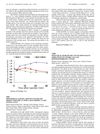
research 1408 INDUCTION OF SECRETED WNT FACTOR WISP1/CCN4 BY HUMAN PROSTATE STROMAL CELLS BY MICROENVIORNMENTAL HYPOXIA
Human prostate cells produce more WISP1/CCN4 when there's not enough oxygen.
research Cedrol ameliorates inflammatory bowel disease via mitochondrial biogenesis, gut microbiota restoration, and intestinal barrier repair
Cedrol may help treat inflammatory bowel disease by improving gut health and function.

research Effect of Free Long-Chain Fatty Acids on Anagen Induction: Metabolic or Inflammatory Aspect?
Free long-chain fatty acids can stimulate hair growth in mice.

research Hair Growth Promoting Effects of Limosilactobacillus reuteri Isolated from Honeybee through Wnt/β-catenin Signal Transduction
Limosilactobacillus reuteri from honeybees may promote hair growth by activating a specific cell pathway.
research Cytokine profiling of alopecia areata phenotypic subsets
Higher levels of IL-1a and IL-1RA were found in severe alopecia areata cases.
research TOR tour to auxin
The plant hormone auxin activates the TOR pathway, affecting gene expression related to growth and cell size.