 February 2026 in “Archives of Dermatological Research”
 Microneedle-delivered polyglutamate effectively and safely improves hair growth in androgenetic alopecia.
 February 2026 in “International Journal of Molecular Sciences”
 Extracellular vesicles show promise for medical use but face challenges in standardization and safety.
January 2026 in “Pharmaceutics” New drug delivery systems show promise in effectively treating pathological scars.
Scalp microbiome in young women is mainly affected by sensitivity, sebum, and lifestyle.
January 2026 in “Regenerative Biomaterials” Advanced hydrogels can autonomously deliver drugs to treat radiation skin injuries, but challenges remain for clinical use.
January 2026 in “Experimental Dermatology” Keratinocytes contribute to hidradenitis suppurativa by causing inflammation and worsening the condition.
December 2025 in “Biomolecules” Targeting protein S-palmitoylation could lead to new skin disease treatments.
 November 2025 in “Cosmetics”
 Rice germ oil improves hair health, but adding ferulic acid offers limited benefits and may worsen chemically damaged hair.
October 2025 in “Burns & Trauma” Engineered probiotics can help heal wounds faster, especially in diabetic foot ulcers.
September 2025 in “International Journal of Molecular Sciences” Hangeshashinto's natural products may help treat stomatitis by reducing inflammation and cytotoxicity.
August 2025 in “World Academy of Sciences Journal” Topical metformin shows promise for skin treatments but needs more testing for safety and effectiveness.
July 2025 in “Journal of Clinical Medicine” Women with PCOS experience more psychological symptoms and need emotional support.
July 2025 in “Arab Board Medical Journal” NF-κB levels can help diagnose and assess the severity of androgenetic alopecia.
June 2025 in “International Journal of Molecular Sciences” LncRNAs play a crucial role in muscle regulation and could help develop treatments for Duchenne muscular dystrophy.
May 2025 in “Neuropharmacology” Finasteride reduced seizures and prevented cognitive issues in rats after neonatal asphyxia but increased anxiety later.
 April 2025 in “International Journal of Molecular Sciences”
 New treatments for hair loss show promise with advanced therapies and better targeting.
 January 2025 in “Cellular & Molecular Biology Letters”
 Eicosanoids are crucial for skin health, and targeting their pathways may help treat skin conditions.
 January 2025 in “International Journal of Molecular Sciences”
 Psoriasis involves immune and genetic factors, and understanding these can improve treatments.
January 2025 in “Open Medicine” Acne may signal underlying metabolic issues, and lifestyle changes can help manage both.
 December 2024 in “International Journal of Molecular Sciences”
 Human umbilical cord stem cell vesicles may help treat aging and related diseases.
 December 2024 in “Molecules”
 Bovine milk-derived exosomes may improve skin, hair, gut, brain, and bone health.
Polyglutamic acid is a valuable, sustainable ingredient for skincare and haircare products.
 February 2024 in “Archiv EuroMedica”
 Annurca apple extract may help with hair growth and prevent hair loss.
 February 2024 in “Acta dermato-venereologica”
 This type of hair loss is probably often missed and treatments reducing inflammation might work well.
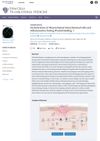 July 2023 in “Stem Cells Translational Medicine”
 Mesenchymal Stem/Stromal Cells (MSCs) help in wound healing and tissue regeneration, but can also contribute to tumor growth. They show promise in treating chronic wounds and certain burns, but their full healing mechanisms and potential challenges need further exploration.
 February 2023 in “Vaccines”
 COVID-19 may harm male reproductive health and lower testosterone levels, potentially affecting fertility and causing erectile dysfunction. More research is needed.
December 2020 in “The journal of investigative dermatology/Journal of investigative dermatology” Papulopustular rosacea is an inflammatory skin condition treatable with lifestyle changes and medications.
November 2020 in “IntechOpen eBooks” Not getting enough minerals can lead to health problems and shorter lifespans.
December 2021 in “Egyptian Journal of Dermatology and Venereology” Oxidative stress may worsen female pattern hair loss and could help track the disease and treatment.