 1 citations
,
June 2017 in “Journal of The American Academy of Dermatology”
1 citations
,
June 2017 in “Journal of The American Academy of Dermatology” Topical treatment SM04554 safely promotes hair growth in male baldness.
 1 citations
,
May 2017 in “InTech eBooks”
1 citations
,
May 2017 in “InTech eBooks” Hair loss in Androgenetic alopecia (AGA) is due to altered cell sensitivity to hormones, not increased hormone levels. Hair growth periods shorten over time, causing hair to become thinner and shorter. This is linked to miscommunication between cell pathways in hair follicles. There's also a change in gene expression related to blood vessels and cell growth in balding hair follicles. The exact molecular causes of AGA are still unclear.
 1 citations
,
March 2017 in “Journal of evolution of medical and dental sciences”
1 citations
,
March 2017 in “Journal of evolution of medical and dental sciences” Microneedling with either platelet-rich plasma or 5% minoxidil can increase hair growth in people with androgenetic alopecia, but minoxidil might be slightly better.
 1 citations
,
October 2013 in “Our Dermatology Online”
1 citations
,
October 2013 in “Our Dermatology Online” 5α reductase type 2 enzyme mutation and oxidative stress may increase androgenetic alopecia risk in Egyptians.
 1 citations
,
January 2010
1 citations
,
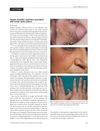
January 2010 Mesotherapy is more effective than topical spray for female hair loss treatment.
 1 citations
,
February 2004 in “Journal of The European Academy of Dermatology and Venereology”
1 citations
,
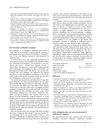
February 2004 in “Journal of The European Academy of Dermatology and Venereology” Hair loss improved with treatment and successful transplant.
 1 citations
,
November 2001 in “British Journal of Dermatology”
1 citations
,
November 2001 in “British Journal of Dermatology” Oral cyclosporin doesn't stop hair loss.

Neeli Bhringadi hair oil improves hair growth and reduces graying.
Unhealthy lifestyle habits may worsen hair loss by affecting scalp bacteria.

Current treatments for androgenetic alopecia have limitations, and personalized approaches and new methods are needed for better results.
 May 2026 in “Journal of Basic and Clinical Health Sciences”
 FAGA shows varied hair thickness, while TE has more empty follicles.
Men with androgenetic alopecia may have higher triglycerides, suggesting a link to lipid metabolism.
 April 2026 in “Journal of Education Health and Sport”
 Invasive treatments can improve hair growth, but effectiveness varies and more research is needed.
 March 2026 in “International Journal of Current Pharmaceutical Review and Research”
 Exosome therapy is more effective than platelet-rich plasma for hair growth in male pattern baldness.
 March 2026 in “Frontiers in Pharmacology”
 New treatments for hair loss show promise but need more testing for effectiveness and safety.
 February 2026 in “Humanities & Social Sciences Reviews”
 Mesotherapy might help with hair growth in androgenic alopecia, but more research is needed.
 February 2026 in “International Journal of Homoeopathic Sciences”
 Homeopathy improved hair growth and quality of life in a man with advanced hair loss.
 January 2026 in “Scientific Reports”
 Sesamin may help treat hair loss by affecting specific cell pathways.
 January 2026 in “MEDS Clinical Medicine”
 Plum-blossom needle therapy shows promise for treating hair loss but needs more research.
 December 2025 in “International Journal of Innovative Technologies in Social Science”
 Effective treatments for hair loss include minoxidil, 5α-reductase inhibitors, and personalized combination therapies.
 December 2025 in “Clinical & Experimental Dermatology and Therapies”
 Cosmerna ARI effectively reduces hair loss and increases hair density in Europeans with androgenetic alopecia.
 December 2025 in “Cureus”
 Using 5α-reductase inhibitors for hair loss may increase the risk of dry eye disease.
 November 2025 in “International Journal of Recent Innovations in Medicine and Clinical Research”
 Understanding different types of hair loss helps in accurate diagnosis and treatment.
 November 2025 in “Molecular and Cellular Biomedical Sciences”
 There is no significant link between the MMP-1 rs1799750 polymorphism and androgenetic alopecia in the Indonesian population.
 November 2025 in “Clinical Cosmetic and Investigational Dermatology”
 Immune cells and plasma proteins are linked to hair loss, suggesting new treatment options.
 October 2025 in “Frontiers in Medicine”
 The minoxidil-finasteride combination is more effective for hair growth than minoxidil alone.
 October 2025 in “Clinical Cosmetic and Investigational Dermatology”
 Experts created guidelines for treating hair loss in Egypt, focusing on personalized care.
 September 2025 in “International Journal of Innovative Technologies in Social Science”
 Dutasteride is more effective than finasteride for hair loss, but more research is needed on safety and dosing.
 June 2025 in “International Journal of Research and Review”
 Unani medicine offers a natural, effective approach to treating hair loss with minimal side effects, but needs more scientific validation.
 June 2025 in “Journal of medical and dental science research.”
 i-PRF and A-PRF show promise in promoting hair regrowth and improving scalp health in androgenetic alopecia.