Soy can improve skin and hair health and protect against sun damage.

Targeting androgen receptors in the skin is the most effective treatment for hyperandrogenism-related skin issues.
 April 2026 in “Research Journal of Topical and Cosmetic Sciences”
 S. anacardium shows promise for hair and scalp health but needs more research and safety measures.
April 2026 in “American Journal of Dermatopathology” Increased blood vessel growth in lichen planopilaris may signal active disease needing aggressive treatment.
 April 2026 in “Frontiers in Immunology”
 Blocking the CXCL12–CXCR4 axis may help treat hair loss in alopecia.
 April 2026 in “Journal of Pharmaceutical Investigation”
 Nanotechnology could improve treatment for scars and atopic dermatitis by targeting skin issues more effectively.
Combining physiotherapy and herbal remedies can effectively treat scalp disorders.
January 2026 in “International Journal of Applied Pharmaceutics” Nanoparticle-embedded microneedles improve drug delivery through the skin but face challenges in stability and safety.
 January 2026 in “Acta Dermatovenerologica Alpina Pannonica et Adriatica”
 Primary cicatricial alopecia causes permanent hair loss by destroying hair follicles, and its exact cause is unknown.

Plant compounds may help manage PCOS, endometriosis, and menstrual issues.
December 2025 in “International Journal of Innovative Technologies in Social Science” Alcohol and nicotine harm skin health and speed up aging.
 November 2025 in “Frontiers in Pharmacology”
 Botanical treatments like saw palmetto, rosemary oil, and ginseng may help reduce hair loss in menopausal women.
 October 2025 in “Editora Pasteur eBooks”
 Peptides improve skin health and treatments for hair loss and pregnancy-related skin issues are evolving.
 October 2025 in “Italian Journal of Dermatology and Venereology”
 Lichen planopilaris is rare, mostly affects older women, and is often linked to autoimmune diseases like lupus.
 October 2025 in “International Journal For Multidisciplinary Research”
 Eating apples regularly can improve heart health and help prevent chronic diseases.
 September 2025 in “Journal of Health Sciences”
 A hair tonic with cumaru extract may help improve scalp psoriasis naturally.
 August 2025 in “Scientific Reports”
 Hair follicle transplantation speeds up wound healing in diabetic mice.
June 2025 in “British Journal of Dermatology” Segmented hair color changes can indicate active alopecia areata.
May 2025 in “Clinical and Translational Allergy” Atopic dermatitis and alopecia areata have a major global socioeconomic impact, needing more research and better healthcare alignment.
April 2025 in “The Journal of Agriculture and Development” The best way to extract antioxidants from Eclipta prostrata is using a 43:1 solvent ratio at 64°C for 97 minutes.
 January 2025 in “Natural Product Research”
 Nyctanthes arbor-tristis has potential health benefits and needs more research for safe medicinal use.
Hibiscus rosa-sinensis can naturally help heal skin inflammation.
November 2024 in “NeoReviews” An extremely low-birthweight infant had a rare genetic skin disease and died despite treatment.
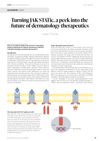 August 2024 in “New Zealand Medical Student Journal”
 JAK inhibitors show promise for treating skin diseases effectively and safely.
 February 2024 in “International Journal of Molecular Sciences”
 Hair loss in Androgenetic Alopecia is caused by genetics, aging, and lifestyle, leading to hair follicle shrinkage and related health risks.
 November 2023 in “International Journal of Dermatology”
 Patients with central centrifugal cicatricial alopecia often have higher rates of metabolic, autoimmune, and atopic conditions, as well as anxiety and depression.
 June 2023 in “Dermatology reports”
 The link between pemphigus and the patient's scarring hair loss is still unclear.
November 2022 in “Journal of Investigative Dermatology” Targeting inflammation can improve scalp and hair health.

Burdock has potential for new pharmaceutical products due to its medicinal properties.
 August 2022 in “Revista de la Universidad Industrial de Santander/Salud UIS”
 Stress-related hair loss was reversed with a special medication.