 July 2025 in “SKIN The Journal of Cutaneous Medicine”
 Ashwagandha may help with skin and hair issues, but more research is needed.
1 citations
,
January 2023 in “Elsevier eBooks” Phospholipases help maintain and restore skin and hair health, potentially leading to new treatments for related conditions.
88 citations
,
August 2019 in “Frontiers in immunology” Tyrosine kinases are important in skin autoimmune diseases and could be targets for new treatments.
26 citations
,
August 2018 in “Journal of Investigative Dermatology” Activating TRPV3 reduces skin oil production and increases inflammation, potentially causing dry skin issues.
December 2025 in “Rare Metals” Smart biomaterials and dressings show promise in treating chronic skin diseases by improving drug delivery and minimizing side effects.
 44 citations
,
October 2017 in “British Journal of Dermatology”
44 citations
,
October 2017 in “British Journal of Dermatology” Botulinum toxin has potential for treating various skin conditions and improving wound healing.
13 citations
,
April 2013 in “Immunotherapy” Inhibiting PLA2 enzymes may help treat inflammatory skin diseases like psoriasis and dermatitis.
 October 2024 in “Our Dermatology Online”
 Mitochondrial dysfunction links metabolic syndrome and inflammatory skin diseases, suggesting targeted therapies and lifestyle changes.
April 2026 in “Journal of Investigative Dermatology” ZNF750 helps keep hair follicles healthy and prevents skin inflammation.
September 2025 in “Radboud University Press eBooks” AHR ligands could treat inflammatory skin diseases.
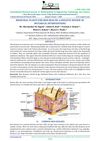 March 2024 in “International Research Journal Of Modernization In Engineering Technology And Science”
 Certain plants like Aloe vera and Neem are effective and safe for treating various skin conditions.
IL-26 has antimicrobial and pro-inflammatory effects in the chronic skin condition Hidradenitis Suppurativa.
June 2026 in “Frontiers in Immunology” JAK inhibitors effectively treat inflammatory skin diseases by targeting specific cytokine signals.
January 2016 in “mediaTUM – the media and publications repository of the Technical University Munich (Technical University Munich)” A new test using NOS2 and CCL27 genes can better diagnose and treat psoriasis and eczema.
 March 2026 in “Brazilian Journal of Microbiology”
 Restoring skin bacteria may help reduce hair loss.
 48 citations
,
October 2011 in “Sports Medicine”
48 citations
,
October 2011 in “Sports Medicine” Ice-skating athletes often have skin problems due to cold, infections, and inflammation, needing careful treatment and prevention.
9 citations
,
June 2023 in “Cells” Certain natural and synthetic compounds may help treat inflammatory skin diseases by targeting a specific signaling pathway.
 23 citations
,
January 2010 in “Journal of Medical Primatology”
23 citations
,
January 2010 in “Journal of Medical Primatology” Hair loss in Rhesus macaques may be caused by a skin allergy-related condition.
 November 2022 in “Journal of Investigative Dermatology”
 Patients with ichthyosis often experience symptoms similar to psoriasis and atopic dermatitis, suggesting that targeted therapies could improve their condition.
 21 citations
,
January 2022 in “Pharmaceutics”
21 citations
,
January 2022 in “Pharmaceutics” Colchicine might help treat different skin diseases, but more research is needed to confirm its effectiveness and safe dosage.
 January 2023 in “Revista da Associação Médica Brasileira”
 Brazilian patients with inflammatory bowel disease have a high rate of skin problems compared to healthy people.
1 citations
,
September 2015 in “Pathology - Research and Practice” Stress during pregnancy can thin fetal skin.
72 citations
,
March 2023 in “Biomolecules” Dupilumab effectively treats various inflammatory skin diseases beyond its initial use for atopic dermatitis.
February 2026 in “Frontiers in Immunology” Skin diseases like acne and psoriasis are linked to stress, gut health, and inflammation, with new treatments focusing on gut and mind-body approaches.
 March 2025 in “Forum Dermatologicum”
 Metabolic syndrome may worsen certain skin conditions, and managing both together is important.
TNFα and interleukin-1 blockers reduce skin inflammation from EGFR antibody therapy.
TNFα and interleukin-1 blockers reduce skin inflammation from EGFR antibody therapy.
40 citations
,
January 2022 in “Nutrients” Diet can influence inflammatory skin diseases.
15 citations
,
January 2022 in “Immune Network/Immune network” New targeted immunotherapies are improving treatment for inflammatory skin diseases.
1 citations
,
November 2025 in “Journal of Cosmetic Dermatology” CBD might help with skin issues, but more research is needed.