23 citations
,
October 1996 in “Dermatologic clinics” Genes affect cytokine production, which can influence chronic diseases, and certain interventions may help prevent related molecular damage.
20 citations
,
July 2017 in “Journal of Investigative Dermatology” IL-1 receptor absence in mice leads to skin cysts and changes in immune response after UVB exposure.
16 citations
,
June 2025 in “Journal of Composites Science” Chitosan–hydroxyapatite biocomposites are promising for tissue engineering due to their safety and ability to support healing.
 8 citations
,
July 2022 in “International Journal of Molecular Sciences”
8 citations
,
July 2022 in “International Journal of Molecular Sciences” Skin cells release substances important for healing and fighting infection, and understanding these could improve skin disorder treatments.
1 citations
,
March 2024 in “International journal of molecular sciences” Radiation therapy damages skin structure and immune function, causing inflammation and potential hair loss.
 1 citations
,
February 2023 in “Drug Design Development and Therapy”
1 citations
,
February 2023 in “Drug Design Development and Therapy” Plant adaptogens may help treat skin diseases and improve skin health, but more research is needed to fully understand how they work.
 1 citations
,
January 2019 in “Springer eBooks”
1 citations
,
January 2019 in “Springer eBooks” Hidradenitis Suppurativa is a chronic skin condition best treated early with surgery for better outcomes and less recurrence.
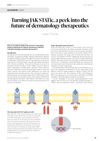 August 2024 in “New Zealand Medical Student Journal”
 JAK inhibitors show promise for treating skin diseases effectively and safely.
 September 2017 in “The journal of investigative dermatology/Journal of investigative dermatology”
 Scarred skin in lichen planopilaris loses immune cells due to a decrease in a specific protein in skin cells.
23 citations
,
March 2017 in “Journal of Investigative Dermatology” An artificial lipid barrier can restore hair growth in cases of SCD1 deficiency.

Different stem cells are key for hair growth and health, and understanding their regulation could help treat hair loss.
Type XVII collagen may help prevent skin aging.
January 2025 in “Scholarly Commons (University of Pennsylvania)” UTX is important for skin health and its loss can lead to skin issues, especially in females.
96 citations
,
February 2002 in “Journal of the American Academy of Dermatology” Pseudofolliculitis barbae is a chronic skin condition affecting mainly African American and Hispanic individuals, caused by shaving tightly curled hair, and managed by prevention and treatment but not curable.
17 citations
,
March 2022 in “BMC Genomics” Cashmere fiber diameter in Tibetan goats is influenced by their stress, oxygen, and metabolic adaptations.
16 citations
,
February 2019 in “Journal of Cellular and Molecular Medicine” Researchers created a rat model to study skin damage caused by radiation, which could help develop new treatments.
14 citations
,
March 2014 in “Experimental and Molecular Pathology” Sulfur mustard damages hair follicles and sebaceous glands in mice.
12 citations
,
September 2022 in “Frontiers in Genetics” Enhancing CD8+ T cell function to induce ferroptosis in tumor cells may help treat skin melanoma.
8 citations
,
August 2014 in “Biochemical and Biophysical Research Communications” ODC overexpression in hair cells increases tumor growth by reducing Notch signaling.
 7 citations
,
August 2018 in “The American Journal of Dermatopathology”
7 citations
,
August 2018 in “The American Journal of Dermatopathology” Researchers found a new early sign of Frontal Fibrosing Alopecia that could help avoid misdiagnosis.
 6 citations
,
June 2022 in “Frontiers in Bioengineering and Biotechnology”
6 citations
,
June 2022 in “Frontiers in Bioengineering and Biotechnology” The gel with icariin speeds up wound healing, reduces scarring, and helps hair growth by controlling BMP4 signaling. It also reduces inflammation and improves wound quality in mice, adapts to different wound shapes, and gradually releases icariin to aid healing. It also prevents too much collagen and myofibroblast formation during skin healing.
 6 citations
,
February 2022 in “Journal of immunology research”
6 citations
,
February 2022 in “Journal of immunology research” Exosomes from fat-derived stem cells can potentially improve hair growth and could be a new treatment for immune-related hair loss.
 3 citations
,
March 2023 in “Life”
3 citations
,
March 2023 in “Life” Obesity can worsen wound healing by negatively affecting the function of stem cells in fat tissue.
 March 2026 in “Molecules”
 Camellia sinensis seed flavonoids can reduce skin inflammation and damage from UV rays.
October 2025 in “Journal of Advanced Trends in Medical Research” Rosemary shows promise in treating alopecia, similar to minoxidil, but more research is needed.

Hair RiseTM microemulsion effectively promotes hair growth and treats hair loss better than standard treatments.
 February 2024 in “Molecules/Molecules online/Molecules annual”
 NMN could potentially treat hair loss by reducing oxidative stress and improving cell health.
September 2023 in “Journal of the American Academy of Dermatology” CBD might help protect skin from UV rays in sunscreen, but more research is needed.
 August 2023 in “Iranian Journal of Clinical Infectious Diseases”
 Most skin issues were due to COVID-19, with some caused by vaccines or treatments, and were categorized into five types.
March 2022 in “Experimental Eye Research” Parental uveitis causes hair loss in offspring of C57BL/6J mice.