Matriptase-2 helps control iron levels by suppressing hepcidin, and its deficiency can cause iron-deficiency anemia.
 3 citations
,
February 2020 in “The journal of gene medicine”
3 citations
,
February 2020 in “The journal of gene medicine” A mutation in the HR gene causes a rare form of irreversible hair loss in two Kashmiri families. Whole exome sequencing is effective for finding such mutations.
46 citations
,
November 1998 in “Experimental Cell Research” K15 gene is mainly active in the basal layers of hair follicles and epithelia, aiding early skin cell development.
16 citations
,
January 2015 in “Genetics and Molecular Research” The research helps improve wool quality and aids human hair research.
January 2011 in “The Chinese Journal of Dermatovenereology” Shorter GGN repeats in the androgen receptor gene are linked to androgenetic alopecia.
26 citations
,
January 1992 in “Carcinogenesis” TPA strongly increases ODC activity in certain skin cells, potentially aiding tumor growth.
23 citations
,
August 2017 in “Genome” Gene expression affects fur development in rex rabbits.
 28 citations
,
November 2019 in “Gene”
28 citations
,
November 2019 in “Gene” The ITGB6 gene is important for tissue repair and hair growth, and mutations can lead to enamel defects and other health issues.
 20 citations
,
May 2013 in “International Journal of Molecular Medicine”
20 citations
,
May 2013 in “International Journal of Molecular Medicine” Researchers found a new gene variant linked to a rare bone disease, which doesn't always cause symptoms in carriers.
7 citations
,
June 2017 in “Gene” Overexpression of FGF5s makes Chinese Merino sheep grow longer and heavier wool.
15 citations
,
November 2024 in “Journal of Advanced Research” miR-3606-3p reduces skin fibrosis by blocking key signaling pathways.
 199 citations
,
April 2010 in “Nature”
199 citations
,
April 2010 in “Nature” A gene called APCDD1, which controls hair growth, is found to be faulty in a type of hair loss called hereditary hypotrichosis simplex.
January 2010 in “China Animal Husbandry & Veterinary Medicine” RORs may influence cashmere growth cycles.
37 citations
,
February 2005 in “Journal of Investigative Dermatology” Overexpression of SSAT causes hair loss and skin issues, but reducing putrescine can help.
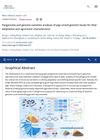
Pangenome analysis reveals key genes for pig adaptation and traits, aiding genetic improvement.
 42 citations
,
October 2009 in “The journal of investigative dermatology/Journal of investigative dermatology”
42 citations
,
October 2009 in “The journal of investigative dermatology/Journal of investigative dermatology” Mutations in the KRT85 gene cause hair and nail problems.
November 2023 in “Biology” N6-methyladenosine affects hair follicle development differently in Rex and Hycole rabbits.
5 citations
,
March 2017 in “Gene” CAP1 decreases the expression of a hair-related protein in young Tan sheep's skin.
 73 citations
,
June 2010 in “PLoS Genetics”
73 citations
,
June 2010 in “PLoS Genetics” A gene mutation in mice causes hair loss, weak bones, and protein buildup, showing how protein processing issues can lead to diseases.
 6 citations
,
April 2022 in “Frontiers in cell and developmental biology”
6 citations
,
April 2022 in “Frontiers in cell and developmental biology” The research identified key proteins and genes that may influence wool bending in goats.
 3 citations
,
August 2021 in “Research Square (Research Square)”
3 citations
,
August 2021 in “Research Square (Research Square)” The most common sign of aging at the gene level is more Ectodysplasin A2 Receptor (EDA2R) being made.
 211 citations
,
October 2001 in “The FASEB Journal”
211 citations
,
October 2001 in “The FASEB Journal” Noggin is necessary to start the hair growth phase in skin after birth.
 March 2023 in “Journal of Cosmetic Dermatology”
 A genetic variant linked to hair thinning in Japanese women was found.
 5 citations
,
June 2023 in “BMC genomics”
5 citations
,
June 2023 in “BMC genomics” A specific gene mutation causes long hair in Angora rabbits.
September 2017 in “Journal of Investigative Dermatology” LRIG1 protein affects hair growth by regulating skin receptors, leading to hair loss when overexpressed.
 4 citations
,
April 2024 in “Cellular and Molecular Biology”
4 citations
,
April 2024 in “Cellular and Molecular Biology” Injectable platelet-rich fibrin is better than platelet-rich plasma for promoting hair growth.
59 citations
,
November 2011 in “Development” Trps1 is essential for proper hair follicle development.
 17 citations
,
June 2017 in “Gene”
17 citations
,
June 2017 in “Gene” A rare genetic mutation found in an Indian family can be detected through prenatal screening.
90 citations
,
February 2001 in “The journal of investigative dermatology/Journal of investigative dermatology” Interleukin-1 increases keratin K6 production in skin cells.
9 citations
,
October 2017 in “Frontiers in plant science” The peach gene CTG134 helps control the interaction between auxin and ethylene, which could lead to new agricultural chemicals.