9 citations
,
February 2004 in “Veterinary Dermatology” Canine hair follicle cells metabolize DHEA and testosterone differently than human cells.
July 2001 in “APMIS. Acta pathologica, microbiologica et immunologica Scandinavica./APMIS” Male children's genital development issues can be caused by genetic mutations or environmental factors affecting hormone action.
 53 citations
,
May 1986 in “Clinics in endocrinology and metabolism”
53 citations
,
May 1986 in “Clinics in endocrinology and metabolism” Androgens like testosterone affect hair growth and oil production differently across body parts and individuals.
 12 citations
,
December 2012 in “Current Drug Targets”
12 citations
,
December 2012 in “Current Drug Targets” The Androgen Receptor could be a target for treating diseases like cancer, but more research is needed to confirm the effectiveness of potential treatments.
 54 citations
,
April 2010 in “Baillière's best practice and research in clinical endocrinology and metabolism/Baillière's best practice & research. Clinical endocrinology & metabolism”
54 citations
,
April 2010 in “Baillière's best practice and research in clinical endocrinology and metabolism/Baillière's best practice & research. Clinical endocrinology & metabolism” Impaired androgen production in 46,XY DSDs causes ambiguous genitalia and requires long-term care.
 June 2010 in “Journal of Chemical Crystallography”
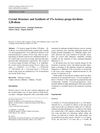
 The compound was successfully made and shows potential for treating prostate cancer.
 14 citations
,
December 1998 in “The Journal of Clinical Endocrinology and Metabolism”
14 citations
,
December 1998 in “The Journal of Clinical Endocrinology and Metabolism” MENT could be a better option than testosterone for male hormone therapy and birth control because it works well at lower doses and has fewer side effects on the prostate.
December 1976 in “PubMed” Androgens affect skin conditions like acne and hirsutism, treatable with hormone therapy and other methods.
224 citations
,
February 2013 in “The Journal of clinical investigation/The journal of clinical investigation” ERG increases SOX9, promoting prostate cancer growth and invasion.
50 citations
,
April 2010 in “Biology direct” Low androgen levels might delay prostate cancer but could lead to more aggressive, therapy-resistant cancers.
111 citations
,
May 2001 in “Human reproduction update” Insufficient androgen action in male fetuses can cause genital development issues due to genetic mutations or environmental chemicals.
 66 citations
,
January 2000 in “Hormone Research in Paediatrics”
66 citations
,
January 2000 in “Hormone Research in Paediatrics” Androgens can both promote and prevent hair growth due to differences in gene expression in hair follicles.
January 2009 in “Xiandai huagong” Finasteride was successfully synthesized from Pregnadienolone acetate.
June 2026 in “Scientific Reports” Testosterone makes XX skin more like male skin by changing its structure and cell makeup.
 43 citations
,
November 1975 in “Archives of Dermatology”
43 citations
,
November 1975 in “Archives of Dermatology” Testosterone affects hair loss, acne, and excessive hair growth, and antiandrogens can help treat these conditions.
 July 2025 in “Reproductive Biology and Endocrinology”
 Early androgen exposure affects hormone receptor expression in adult female rats' brains, but not in males.
2 citations
,
January 2020 in “bioRxiv (Cold Spring Harbor Laboratory)” Androgen signaling reduces Wnt activity, affecting prostate stem cell growth.
28 citations
,
November 2017 in “Molecular and cellular endocrinology” Testosterone and its byproducts help support male sexual behavior through different pathways in the brain and body.
6 citations
,
August 2024 in “Steroids”  January 2020 in “Research Portal Denmark”
 A short male anogenital distance may indicate incomplete masculinization due to disrupted androgen action.
1 citations
,
January 2015 in “Elsevier eBooks” Certain pesticides and fungicides can interfere with male hormone functions, potentially causing reproductive issues in male rats.
 42 citations
,
May 2003 in “Mini-reviews in Medicinal Chemistry”
42 citations
,
May 2003 in “Mini-reviews in Medicinal Chemistry” New steroidal compounds could be effective for treating conditions related to 5α-reductase enzyme activity.
 14 citations
,
November 1982 in “British Journal of Dermatology”
14 citations
,
November 1982 in “British Journal of Dermatology” Testosterone conversion to 5α-DHT may not be essential for its effects on the skin.
3 citations
,
November 2013 in “PubMed” 12 citations
,
March 2017 in “Arteriosclerosis, thrombosis, and vascular biology” Testosterone helps prevent skin damage in males by acting through both estrogen and androgen pathways.
January 2006 in “프로그램북(구 초록집)”  2 citations
,
November 2017 in “Biotechnology Letters”
2 citations
,
November 2017 in “Biotechnology Letters” Researchers found four natural compounds that can change DHT levels in prostate cancer cells.
 20 citations
,
September 2005 in “Endocrinology”
20 citations
,
September 2005 in “Endocrinology” Certain changes to the B-ring of androgen receptor ligands can increase their effectiveness for potential treatments of muscle and bone conditions.
January 2002 in “Chinese Journal of Pharmaceuticals” A new method was developed to make a compound used in finasteride and epristeride with a 69% yield.
 57 citations
,
May 1986 in “Clinics in endocrinology and metabolism”
57 citations
,
May 1986 in “Clinics in endocrinology and metabolism” Androstanediol glucuronide is a reliable marker for hirsutism in women.