7 citations
,
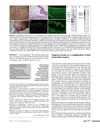
August 2005 in “Journal of Cutaneous Medicine and Surgery” Hair transplants can temporarily help with eyebrow hair loss.
 2 citations
,
November 2012 in “European Journal of Dermatology”
2 citations
,
November 2012 in “European Journal of Dermatology” Hair transplant surgery may cause alopecia areata, a new possible complication.
January 2026 in “Zenodo (CERN European Organization for Nuclear Research)” Statins do not help improve alopecia areata.
 November 2023 in “Aktualʹnì problemi sučasnoï medicini”
 The guidelines suggest using various treatments, including antidepressants and steroids, for alopecia areata and discuss the condition's genetic and immune aspects.
January 2016 in “Indian dermatology online journal” Frontal fibrosing alopecia causes hair loss at the front hairline, and no effective treatment exists.
 August 2015 in “Dermatología Argentina”
 Frontal fibrosing alopecia causes hairline recession and eyebrow loss in postmenopausal women.
 30 citations
,
August 2015 in “JAAD case reports”
30 citations
,
August 2015 in “JAAD case reports” Platelet-rich plasma (PRP) injections successfully treated a woman's steroid-resistant hair loss, causing hair to regrow within a month.
A rare skin reaction occurred when a man took paracetamol, causing a new rash in an area already affected by hair loss.
 July 2010 in “British Journal of Dermatology”
 Hair loss in women may have multiple causes, and eyebrow regrowth possible with specific injections.
 95 citations
,
November 2016 in “Journal of The American Academy of Dermatology”
95 citations
,
November 2016 in “Journal of The American Academy of Dermatology” Treatments for permanent hair loss from scarring aim to stop further loss, not regrow hair, and vary by condition, with partial success common.
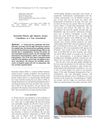 2 citations
,
September 2011 in “Pediatric Dermatology”
2 citations
,
September 2011 in “Pediatric Dermatology” The document suggests there might be a link between Kawasaki Disease and Alopecia Areata that needs more research.
 9 citations
,
September 2015 in “Medical Clinics of North America”
9 citations
,
September 2015 in “Medical Clinics of North America” The document explains how to do skin procedures, care after surgery, and when to use certain treatments.
 May 2007 in “Dermatologic Therapy”
 Hair care practices like using relaxers and tight braiding can lead to permanent hair loss in black women.
8 citations
,
January 2013 in “International journal of trichology” Two people had unusual ring-shaped hair loss due to an autoimmune disorder.
7 citations
,
January 2012 in “International Journal of Trichology” Sudden, unusual hair loss may indicate serious underlying health issues.
 January 2022 in “Clinical dermatology open access journal”
 Early-stage Alopecia Areata was effectively treated in less than six months.
11 citations
,
January 2017 in “Skin Appendage Disorders” Use lower concentrations of triamcinolone acetonide to reduce steroid-induced scalp atrophy.

TCA injections are more effective and safer than cryotherapy for treating alopecia areata.
 7 citations
,
January 2017 in “International Journal of Trichology”
7 citations
,
January 2017 in “International Journal of Trichology” Hair transplant can cause hard-to-treat keloids in some patients.
2 citations
,
January 2022 in “Annals of Dermatology” Treatment type and patch size affect hair regrowth patterns in alopecia areata.
 May 2023 in “Journal of medical case reports”
 A young girl with skin and scalp conditions showed some improvement with treatment.
 July 2022 in “Media Dermato Venereologica Indonesiana”
 The combination of PRP and triamcinolone injections improved hair growth in a man with alopecia areata.
 January 2024 in “International Journal of Dermatology Research”
 PRP is more effective than triamcinolone for treating alopecia areata.
11 citations
,
January 2020 in “Journal of Drugs in Dermatology” Intralesional triamcinolone acetonide is effective and safe for treating early to mid-stage traction alopecia.
 November 2024 in “Journal of the European Academy of Dermatology and Venereology”
 Cryotherapy with precise temperature control is a promising treatment for alopecia areata.
 November 2023 in “PubMed”
 Pentoxifylline is a safe and effective alternative to triamcinolone acetonide for treating localized alopecia areata.
7 citations
,
October 2012 in “PubMed” Triamcinolone regrows hair better but relapses more than anthralin.
Both treatments for localized alopecia areata are equally effective.
6 citations
,
November 2020 in “Clinical Cosmetic and Investigational Dermatology” Both concentrations of triamcinolone acetonide are effective for hair regrowth in patchy alopecia areata, but 5 mg/mL is recommended to reduce side effects.
1 citations
,
November 2020 in “DOAJ (DOAJ: Directory of Open Access Journals)” Both concentrations of triamcinolone acetonide are equally effective and safe for treating patchy alopecia areata.