Frontal hair in male pattern baldness shows reduced growth and thickness.
 155 citations
,
September 2008 in “British journal of dermatology/British journal of dermatology, Supplement”
155 citations
,
September 2008 in “British journal of dermatology/British journal of dermatology, Supplement” FFA is more common in postmenopausal women, can affect younger women, and may stabilize over time.
 34 citations
,
December 1995 in “Pediatric Dermatology”
34 citations
,
December 1995 in “Pediatric Dermatology” Congenital Triangular Alopecia is a rare, non-scarring hair loss that can be surgically treated in females for cosmetic reasons.
18 citations
,
February 2023 in “eLife” ILC1-like cells can independently cause alopecia areata.
 2 citations
,
November 1999 in “Hair transplant forum international”
2 citations
,
November 1999 in “Hair transplant forum international” The document's conclusion cannot be provided because the document is not accessible.
 January 2026 in “DOAJ (DOAJ: Directory of Open Access Journals)”
 Early biopsy and targeting inflammation can improve treatment for hair loss in androgenetic alopecia.
May 2025 in “International Journal of Trichology” Partially bald areas in Indian AGA patients still have hair growth cells, suggesting early treatment is best.
 June 2024 in “British Journal of Dermatology”
 Avoid tight hairstyles and use minoxidil to prevent and treat hair loss in young Sikh boys.
 4 citations
,
July 2005 in “International Journal of Dermatology”
4 citations
,
July 2005 in “International Journal of Dermatology” Topical PUVA and tacrolimus ointment can effectively and safely treat infant alopecia universalis.
 8 citations
,
January 2015 in “International journal of trichology”
8 citations
,
January 2015 in “International journal of trichology” A woman's total hair loss was linked to a Borrelia infection and was reversed with appropriate treatment.
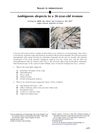
The woman has unexplained hair loss and it's unclear what her condition is or how to treat it.

Telogen effluvium causes temporary hair loss, especially in women.
26 citations
,
October 1999 in “Archives of Dermatology” Curly hair in certain scalp areas can be an early sign of hair loss.
July 2017 in “Journal of Ayurveda and Integrated Medical Sciences” Ayurvedic treatments effectively and permanently treated hair loss in a week.
January 2018 in “Elsevier eBooks” December 2025 in “JEADV Clinical Practice” A woman with hair loss condition experienced rare hair color return, suggesting it might help diagnose the condition.
1 citations
,
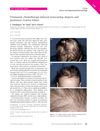
January 2010 Redistributing existing hair is the best solution for scalp alopecia.
 5 citations
,
March 2015 in “Clinical and Experimental Dermatology”
5 citations
,
March 2015 in “Clinical and Experimental Dermatology” Chemotherapy caused a woman's permanent hair loss and early menopause.
 10 citations
,
August 2011 in “Clinics”
10 citations
,
August 2011 in “Clinics” The author clarified that Alopecia Areata Incognita (AAI) and diffuse Alopecia Areata (AA) are different conditions and the case discussed was actually AA, not AAI.
 June 2022 in “Revista del Hospital Italiano de Buenos Aires”
 A rare case of a man having both frontal fibrosing alopecia and vitiligo was reported.
 January 2018 in “Elsevier eBooks”
 The document concludes that alopecia has various forms, each with specific treatments, but no definitive cure for certain types like CCCA has been proven.
June 2026 in “Skin Appendage Disorders” Diffuse unpatterned alopecia causes widespread hair thinning and is hard to diagnose and treat.
January 2004 in “Springer eBooks” 15 citations
,
October 1996 in “Archives of Dermatology” Researchers identified a new hair loss pattern called "sisaipho type," where hair is lost across the scalp except around the edges.
January 2022 in “Clinical Cases in Dermatology” A 47-year-old man was diagnosed with a specific type of hair loss and advised to use certain medications and avoid hair transplants.
September 2021 in “CRC Press eBooks” Traumatic alopecia causes hair loss from pulling or rubbing, leading to broken hairs and changes in the scalp.
July 2025 in “Journal of Integrated Health Sciences” Ayurvedic treatment effectively improved patchy hair loss using simple, cost-effective methods.
2 citations
,
January 2010 in “PubMed” Current treatments for postmenopausal frontal fibrosing alopecia stop hair loss but don't regrow hair.
January 2004 in “Medicine Today” Topical minoxidil helps hair regrowth in over 50% of men and women.