 July 2018 in “Elsevier eBooks”
 Discoid Lupus Erythematosus often causes scarring hair loss, is influenced by genetics and environment, and requires early treatment to prevent worsening.
January 2008 in “대한미용학회지” UV exposure severely damages hair, making it rough and weak.
 September 2006 in “Dermatologic Surgery”
 Some aggressive scalp cancers are hard to treat and can be deadly, even when removed with specialized surgery.
June 2004 in “Journal of Investigative Dermatology” Increased pigmentation may protect skin from UVB, new targets for skin disease treatments were identified, sunscreen ingredients don't affect hormones, TNF-α inhibitors may help diabetic wounds, and certain treatments could prevent chemotherapy-induced hair loss.
 May 2004 in “International Journal of Cosmetic Science”
 Melanogenesis inhibitors like kojic acid and niacinamide can reduce inflammation and pigment production in skin cells.
 January 1953 in “The Lancet”
 Alopecia areata's causes are unclear, treatments exist but relapses are common.
 93 citations
,
October 2006 in “The International Journal of Biochemistry & Cell Biology”
93 citations
,
October 2006 in “The International Journal of Biochemistry & Cell Biology” Melanocytes are crucial for skin pigmentation and can affect conditions like melanoma, vitiligo, and albinism, as well as hair color and hearing.
 57 citations
,
June 2021 in “Polymers”
57 citations
,
June 2021 in “Polymers” Photothermal hydrogels are promising for infection control and tissue repair, and combining them with other treatments could improve results and lower costs.
 19 citations
,
July 2009 in “Clinical and Experimental Dermatology”
19 citations
,
July 2009 in “Clinical and Experimental Dermatology” The study found that long-term sun exposure does not significantly affect follicular plugs on the scalp, and the scalp's appearance is unique compared to other body parts.
18 citations
,
May 2022 in “Stem Cell Research & Therapy” Green OLED light improves stem cell effectiveness for better wound healing.
17 citations
,
October 2009 in “Dermatology” Ultraviolet light helped hair growth more effectively than triamcinolone acetonide.
 16 citations
,
March 2017 in “Bone Marrow Transplantation”
16 citations
,
March 2017 in “Bone Marrow Transplantation” Some children who had stem cell transplants developed permanent hair loss, especially when treated with a drug called busulphan.
6 citations
,
July 2020 in “The Kaohsiung Journal of Medical Sciences” Inhibiting the PI3K/Akt pathway may help prevent radiation-induced liver injury.
 4 citations
,
April 2011 in “International Journal of Radiation Biology”
4 citations
,
April 2011 in “International Journal of Radiation Biology” Radiation significantly slows down wound healing in mice.
 2 citations
,
July 2019 in “Journal of lasers in medical sciences”
2 citations
,
July 2019 in “Journal of lasers in medical sciences” Laser treatment and synovial fluid can change hair follicle cells to resemble joint cells, with the changes being more significant when both treatments are used together.
 2 citations
,
May 2017 in “Springer eBooks”
2 citations
,
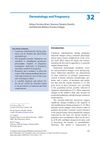
May 2017 in “Springer eBooks” Pregnancy can cause skin changes and affect existing skin conditions, with limited treatment options due to the need for fetal safety.
1 citations
,
January 1987 Low-output laser irradiation can stimulate or inhibit biological processes depending on the dose.
 May 2026 in “International Journal of Molecular Sciences”
 The new human placental extract may help prevent hair graying and reduce nerve pain from chemotherapy.
 April 2026 in “Biosensors”
 Red light increases hair follicles and ATP in mouse skin.
April 2026 in “Biomaterials and Biosystems” Combining exosomes with nanoparticles speeds up healing of diabetic pressure ulcers.
March 2026 in “Dyes and Pigments” Riboflavin and blue light speed up genipin hair dye, making it fast, glossy, stable, and eco-friendly.
 January 2026 in “SSRN Electronic Journal”
 Riboflavin with blue light speeds up hair dyeing, making it faster, safer, and long-lasting with less hair damage.
 February 2025 in “Journal of Nanobiotechnology”
 A new treatment using microneedles with black phosphorus and laser helps regrow hair effectively and safely.
 December 2024 in “Medical alphabet”
 Combining erbium laser, laser blood irradiation, and minoxidil is most effective for treating diffuse alopecia.
 November 2024 in “Fizioterapevt (Physiotherapist)”
 Combined therapy is highly effective for treating diffuse alopecia.
 June 2020 in “Medicinskij alfavit”
 Laser and cell treatments effectively help hair regrowth in people with focal alopecia.

Different hair growth phases affect how follicles respond to X-rays, and hormones like testosterone and dihydrotestosterone play a key role in baldness; transplanted hair can grow on bald scalp areas.
 January 2018 in “General internal medicine and clinical innovations”
 Busulfan/cyclophosphamide and total bone irradiation are equally effective for AML transplants.
4 citations
,
January 2014 in “The Journal of urology/The journal of urology” Kidney cancer cells without folliculin are more sensitive to radiation due to increased self-eating cell death.
5 citations
,
January 2025 in “Aesthetic Surgery Journal Open Forum” Sequential monopolar-bipolar radiofrequency improves skin regeneration and quality better than monopolar alone.