 2 citations
,
June 2005 in “Clinical Oncology”
2 citations
,
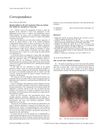
June 2005 in “Clinical Oncology” A man's bald spot grew hair after starting cancer treatment with gefitinib.
 2 citations
,
March 2005 in “Cancer biology & therapy”
2 citations
,
March 2005 in “Cancer biology & therapy” Bexxar treatment led to a high response rate in patients with advanced-stage, treatment-resistant follicular lymphoma.
 1 citations
,
January 2010 in “Elsevier eBooks”
1 citations
,
January 2010 in “Elsevier eBooks” Any drug can cause skin reactions, but antibiotics, NSAIDs, and psychotropic drugs are more common, with some reactions being life-threatening.
 April 2026 in “International Journal of Clinical Oncology”
 Combining immune checkpoint inhibitors with other cancer therapies increases skin side effects in Asian patients.

Researchers found a genetic link for hereditary hair loss but need more analysis to identify the exact gene.
 December 2011 in “Asia-Pacific biotech news”
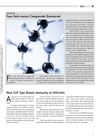
 In 2011, there were major scientific breakthroughs in cancer treatment, immunity, Parkinson's, virus simulation, schizophrenia, hair growth, lung cancer, and medical grafts.
 March 2008 in “Aging health”
 Docetaxel is safe and works well for older people with cancer, with manageable side effects.
 36 citations
,
November 2019 in “Molecular biology and evolution”
36 citations
,
November 2019 in “Molecular biology and evolution” Cysteine-rich keratins evolved independently in mammals, reptiles, and birds for hard skin structures like hair, claws, and feathers.
 24 citations
,
October 2024 in “Process Biochemistry”
24 citations
,
October 2024 in “Process Biochemistry” Optimal conditions for extracting beneficial compounds from Carthamus caeruleus L. rhizomes were identified, improving efficiency.
 March 2026 in “Aesthetic Plastic Surgery”
 AI is revolutionizing non-surgical cosmetic procedures by improving personalization, safety, and access.
 December 2025 in “Scientific Reports”
 α-Mangostin can naturally lighten skin by reducing melanin.
 December 2025 in “npj Breast Cancer”
 Capivasertib improves survival in certain breast cancer cases but requires careful management of side effects.
1 citations
,
May 2025 in “Cytotechnology” Icariside II may help treat gastric cancer by stopping tumor growth.
 6 citations
,
November 2023 in “Clinical Pharmacokinetics”
6 citations
,
November 2023 in “Clinical Pharmacokinetics” Ritlecitinib shows promise as a versatile treatment for various autoimmune and inflammatory diseases.
December 2025 in “Fertility and Sterility” Both LNG-IUD and systemic progestins are effective for fertility-sparing treatment, but close monitoring is needed due to recurrence risk.
 8 citations
,
March 2019 in “Drugs - Real World Outcomes”
8 citations
,
March 2019 in “Drugs - Real World Outcomes” Healthcare claims databases can help monitor drug safety, but may report adverse events differently than direct surveillance.
 October 2021 in “Revista Medicina Cutánea Ibero-Latino-Americana”
 PRIDE syndrome helps identify skin side effects from EGFR inhibitors like erlotinib.
March 2026 in “Journal of Clinical Oncology” Using 5-α-reductase inhibitors before treatment improves outcomes for patients with metastatic renal cell carcinoma.
 November 2021 in “World Family Medicine Journal /Middle East Journal of Family Medicine”
 Inclisiran is effective at lowering cholesterol.
June 2025 in “British Journal of Dermatology” Ruxolitinib helped a woman with a genetic mutation regrow her hair and improved her health.
September 2002 in “Oncology Times” Promising cancer treatments were found, but the manufacturer closed.
September 2024 in “Annals of Medicine and Surgery” Ritlecitinib is the first FDA-approved pill for treating significant hair loss in alopecia areata patients aged 12 and up.
January 1975 in “NJEA Review” The drug showed promise in treating renal cell carcinoma with manageable side effects.
June 2025 in “British Journal of Dermatology” Ritlecitinib may cause serious side effects like blood clots in alopecia areata patients.
 July 2025 in “The Journal of Dermatology”
 Ritlecitinib has common side effects like headache and acne, and unexpected ones like diabetes and thyroid issues.
21 citations
,
April 2008 in “Toxicologic Pathology” CI-1033 causes skin lesions in rats, similar to humans, due to EGF receptor inhibition.
May 2025 in “CPT Pharmacometrics & Systems Pharmacology” A 50 mg non-loading dose of ritlecitinib is safe for adults and adolescents.
4 citations
,
July 2024 in “Pharmacology Research & Perspectives” Ritlecitinib is safe and may effectively treat alopecia areata.
September 2023 in “Journal of the American Academy of Dermatology” ICI therapy increases the risk of gastrointestinal and endocrine issues in psoriasis patients.