 February 2023 in “Frontiers in Bioengineering and Biotechnology”
 Optical imaging and light therapy show promise for diagnosing and treating liver injury caused by surgery.
 January 2020 in “Nihon Yakuri Gakkai nenkai yoshishu”
 Minoxidil protects brain tissue directly, not by lowering blood pressure.
4 citations
,
February 2023 in “Research Reports in Clinical Cardiology” Certain genes and high cholesterol levels increase heart disease risk in Ethiopian patients with high blood pressure.
 6 citations
,
January 2016 in “Journal of Clinical and Diagnostic Research”
6 citations
,
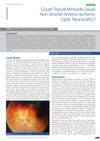
January 2016 in “Journal of Clinical and Diagnostic Research” Topical minoxidil might potentially cause vision problems, but more research is needed.
October 2024 in “African Journal of Medicine Surgery and Public Health Research” Understanding how new blood vessels form is key to treating heart disease and other health problems.
 10 citations
,
November 2014 in “Sexual medicine reviews”
10 citations
,
November 2014 in “Sexual medicine reviews” Effective, well-tolerated, and affordable treatments are needed for recurrent ischemic priapism.
 6 citations
,
January 2020 in “BMC Neuroscience”
6 citations
,
January 2020 in “BMC Neuroscience” Male tissue has more cell death than female tissue after ischemia, and some neurosteroids only protect female cells.
2 citations
,
November 2004 in “Hospital pharmacy” Certain medications can cause serious side effects, so it's important to report them.
 1 citations
,
October 2017 in “Circulation”
1 citations
,
October 2017 in “Circulation” A new technology showed that the SOX9 gene might control heart scar formation after injury, suggesting new treatment possibilities.
 January 2024 in “Research Square (Research Square)”
 Traditional Chinese medicine may help treat ischemic stroke by targeting specific genes and pathways.
14 citations
,
January 2023 in “Engineered Regeneration” Antioxidative nanozymes could effectively treat ischemic stroke by reducing harmful molecules in the brain.
1 citations
,
May 1992 in “Pharmacological Research” January 2025 in “Journal of Carcinogenesis” Inflammation is a key factor in heart disease and targeting it can reduce heart problems.
12 citations
,
February 2023 in “Stem Cell Research & Therapy” HGF-modified hair follicle stem cells help brain recovery after injury in rats.
6 citations
,
October 2022 in “Frontiers in Cell and Developmental Biology” Transplanted hair follicle stem cells can heal damaged rat intestines.
 4 citations
,
May 2019 in “Biology open”
4 citations
,
May 2019 in “Biology open” Testosterone reduces heart damage and inflammation after injury.
 June 2022 in “Research Square (Research Square)”
 Hair follicle stem cells can help heal intestinal injuries in rats.
Meshushit ointment helps form thicker healing tissue and preserves hair follicles in burns.
39 citations
,
April 2023 in “Science Advances” CD34+ cells help heal damaged limbs by promoting blood vessel growth.
 18 citations
,
March 2024 in “Frontiers in Pharmacology”
18 citations
,
March 2024 in “Frontiers in Pharmacology” Natural plant products like Proanthocyanidins and curcumin may help treat ischemic stroke by reducing inflammation.
 14 citations
,
January 2024 in “Theranostics”
14 citations
,
January 2024 in “Theranostics” Intranasal delivery of gene therapy shows promise for treating ischemic stroke.
 14 citations
,
March 2018 in “Translational Stroke Research”
14 citations
,
March 2018 in “Translational Stroke Research” Finasteride helps protect brain in old male rats.
 1 citations
,
November 2001 in “Acc Current Journal Review”
1 citations
,
November 2001 in “Acc Current Journal Review” Electron Beam Tomography (EBT) is a useful additional test to stress testing for detecting heart disease.
 March 2024 in “Frontiers in medicine”
 PRP treatment can safely improve short-term vision in acute NAION patients.
 September 2023 in “Translational medicine reports”
 Minoxidil ingestion can raise liver enzyme levels.
December 2014 in “Journal of Biomedical Research” Recombinant thymosin β4 promotes blood vessel growth and reduces muscle damage.
30 citations
,
May 2015 in “Current Cardiology Reviews” Lower testosterone increases heart disease risk; higher estradiol increases risk in women.
31 citations
,
September 2020 in “Stem Cell Research & Therapy” Hair follicle stem cells may help repair the brain after a stroke.
1 citations
,
August 2020 in “Research Square (Research Square)” Hair follicle stem cells may help treat strokes by improving brain recovery.
January 2024 in “Turkish Neurosurgery” Dexpanthenol helps protect the brain and improve motor skills after a stroke.