May 2023 in “GLOBAL JOURNAL FOR RESEARCH ANALYSIS” Combining PRP with Minoxidil is more effective for hair regrowth than PRP alone.
 76 citations
,
May 2011 in “Liver transplantation”
76 citations
,
May 2011 in “Liver transplantation” Liver transplantation is a viable option for children with propionic acidemia, improving quality of life and diet, but does not remove all risks and long-term brain outcomes are uncertain.
5 citations
,
January 2000 in “Inhalation Toxicology” Aqueous dispersion resin is safe to inhale at levels below 30 mg/m³.
 18 citations
,
January 2007 in “Pharmaceutical Biology”
18 citations
,
January 2007 in “Pharmaceutical Biology” Citrullus colocynthis extract is effective for hair growth, comparable to minoxidil.
 May 2025 in “Plastic & Reconstructive Surgery Global Open”
 Photothermal biomodulated PRP extends hair graft viability by 2 hours compared to standard solutions.
 2 citations
,
April 2024 in “Science & Technology Indonesia”
2 citations
,
April 2024 in “Science & Technology Indonesia” Albizia saponaria bark extract, especially the ethyl acetate fraction, is a strong antioxidant source.
 July 2024 in “Biological and Pharmaceutical Bulletin”
 Licorice extract helps hair growth and may treat hair loss.
July 2026 in “Journal of Cosmetic Dermatology” Combining oxygen-enriched PRP with minoxidil is more effective for hair growth than using minoxidil alone.
January 2014 in “Food and Drug” The method accurately detects illegal minoxidil in herbal hair products.
January 2014 in “Journal of Central South University(Science and Technology)” PPCM microspheres can effectively release finasteride over 42 days.
 August 2025 in “ACS Omega”
 New compounds show promise as nonsteroidal treatments for hair loss.
 9 citations
,
November 2012 in “Biomolecules & therapeutics”
9 citations
,
November 2012 in “Biomolecules & therapeutics” A compound from brown algae boosts the production of a certain inflammatory substance in skin cells.
8 citations
,
April 1991 in “European journal of endocrinology” 3α-AdiolG is a good marker for androgen activity in women with excessive hair growth and decreases with anti-androgen treatment.
 12 citations
,
November 2011 in “International Journal of Dermatology”
12 citations
,
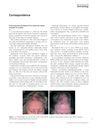
November 2011 in “International Journal of Dermatology” A woman developed a scalp condition from using minoxidil, which improved with a different treatment but left scarring.

IP-PA1 helps grow hair in mice and affects human cell growth-related genes differently than traditional hair growth treatments.

Betamethasone dipropionate lotion is more effective than minoxidil solution for treating Alopecia Areata.
 19 citations
,
October 2017 in “European Journal of Pharmaceutics and Biopharmaceutics”
19 citations
,
October 2017 in “European Journal of Pharmaceutics and Biopharmaceutics” The gel made of minoxidil and hydroxypropyl-β-cyclodextrin improves hair growth and is good for long-term use.
 April 2016 in “Journal of Investigative Dermatology”
 FOL-005, a new substance, was found to reduce hair growth without toxicity when injected into skin, suggesting it could be used to treat excessive hair growth.
 September 2017 in “World journal of Pharmacy and pharmaceutical sciences”
 The polyherbal ointment made from plant extracts was safe and effectively promoted hair growth in rats.
January 2026 in “ACS Applied Bio Materials” A new treatment using nanoliposomes can improve hair regrowth in androgenetic alopecia.
 January 2025 in “ARC Journal of Clinical Case Reports”
 Encapsulated retinol may effectively treat actinic keratosis without side effects.
November 2022 in “Asian Journal of Pharmaceutical Research” The hydrogel with Finasteride provides controlled, sustained drug release and improved bioavailability.
 December 2023 in “International Journal of Advanced Research in Science, Communication and Technology”
 A reliable method was created to measure Minoxidil and Finasteride in a solution.
 August 2024 in “Bioimpacts”
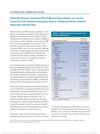
 Kopexil is an effective and safe hair growth treatment.
 19 citations
,
May 2017 in “Dermatologic Surgery”
19 citations
,
May 2017 in “Dermatologic Surgery” Combining platelet-rich plasma with 5% minoxidil solution improves hair regrowth in androgenetic alopecia patients.
3 citations
,
May 2019 in “Journal of Cosmetic Dermatology” Pro-Ile could be used in cosmetics to improve skin, hair growth, and healing.
 11 citations
,
May 2010 in “Journal of Medicinal Chemistry”
11 citations
,
May 2010 in “Journal of Medicinal Chemistry” A new compound was created in 2010 that can control oil production when applied to the skin, and its effects are completely reversible after two weeks.
 47 citations
,
September 2013 in “Aaps Pharmscitech”
47 citations
,
September 2013 in “Aaps Pharmscitech” Improved hair loss treatment using special particles and surfactants.
![Antiexudative Effects of Finasteride and a New Pyrazolo[C]Pyridine Derivative GIZh-72 in Acetic Acid-Induced Experimental Peritonitis](/images/assets/10e636c8-32b7-4d90-b645-80e0039c5960/small/4762.jpg) February 2020 in “Bulletin of Experimental Biology and Medicine”
February 2020 in “Bulletin of Experimental Biology and Medicine” Finasteride and GIZh-72 reduce inflammation, with GIZh-72 being more effective.
Ganoderma lucidum extract promotes hair growth in bald rats, with higher doses producing better results, similar to the effects of Minoxidil 2%.