 40 citations
,
January 1996 in “Journal of Dermatological Treatment”
40 citations
,
January 1996 in “Journal of Dermatological Treatment” Antimicrobial lotion reduces inflammation and increases hair density in hair loss patients.
 3 citations
,
February 1985 in “PubMed”
3 citations
,
February 1985 in “PubMed” Stopping the beta-blocker nadolol led to quick hair regrowth and improved scalp condition.
 February 2026 in “Biomedicines”
 Off-label treatments are heavily used for alopecia areata due to limited approved options.
 January 2025 in “Journal of Cutaneous Immunology and Allergy”
 Baricitinib is effective for treating severe alopecia areata in Japanese patients, but long-term safety needs more study.
 34 citations
,
July 2011 in “International journal of pharmaceutics”
34 citations
,
July 2011 in “International journal of pharmaceutics” Ion-paired risedronate significantly increases skin penetration without irritation compared to risedronate alone.
14 citations
,
January 1991 in “PubMed” Oxiconazole nitrate cream is effective and well-tolerated for treating various fungal skin infections.
Microneedling with Triamcinolone acetonide is an effective, less invasive, and safe alternative to direct injections for treating alopecia areata.
 September 2025 in “The health sciences AUS.”
 Intralesional triamcinolone acetonide effectively treats acne keloidalis nuchae with minimal side effects.
January 2017 in “DOAJ (DOAJ: Directory of Open Access Journals)” Botulinum toxin type A did not help regrow hair in severe alopecia cases.
 37 citations
,
August 2022 in “Frontiers in pharmacology”
37 citations
,
August 2022 in “Frontiers in pharmacology” Oral JAK inhibitors are effective and safe for treating alopecia areata but may need ongoing use to keep results.
November 2023 in “Journal of Investigative Dermatology” JAK inhibitors are effective and generally safe for treating alopecia areata, but monitoring for side effects is important.
 September 2022 in “Journal of Ayub Medical College Abbottabad”
 Steroid injections are more effective than platelet rich plasma for treating patchy hair loss.
 September 2025 in “Journal of Skin and Stem Cell”
 The combination of calcipotriol and PRP is the most effective treatment for alopecia areata.
8 citations
,
October 2016 in “Journal of Investigative Dermatology” MR antagonists may improve skin health and wound healing, especially in aging.
1 citations
,
December 2011 in “Arzneimittelforschung” CB-03-04 shows promise as a treatment for prostate issues due to its strong anti-androgen effects.
 March 2014 in “Journal of The American Academy of Dermatology”
 Cortexolone 17a-propionate may be an effective new treatment for hair loss.
 July 2026 in “Pharmacological Reports”
 Topical latanoprost acid may help hair growth in women with hair loss.
 June 2026 in “Journal of health economics and outcomes research”
 Ritlecitinib is more effective and cost-efficient than baricitinib for severe alopecia areata.
March 2023 in “Current Pharmaceutical Design” Spironolactone is effective for idiopathic hirsutism but has limited effects on other PCOS symptoms.
 2 citations
,
March 2019 in “Experimental Techniques in Urology & Nephrology”
2 citations
,
March 2019 in “Experimental Techniques in Urology & Nephrology” Heptaminol may cause hair lightening in hemodialysis patients.
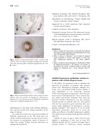 30 citations
,
August 2009 in “Journal of the American Academy of Dermatology”
30 citations
,
August 2009 in “Journal of the American Academy of Dermatology” Bimatoprost is safe but not effective for severe eyelash loss from alopecia areata, possibly helping those with less loss.
21 citations
,
May 2017 in “Paediatric drugs” Individualized treatment plans are crucial for children with alopecia areata, with promising options like JAK inhibitors showing significant hair regrowth.
 5 citations
,
January 2014 in “Asian Journal of Chemistry”
5 citations
,
January 2014 in “Asian Journal of Chemistry” Researchers developed a quick and reliable method to test for betamethasone dipropionate and calcipotriol in ointments and drugs.
11 citations
,
April 2018 in “Epilepsy research” Letrozole reduces seizures but not brain damage in mice.
3 citations
,
May 2014 in “Journal of the Egyptian Women's Dermatologic Society /Journal of the Egyptian Women's Dermatologic Society” Bimatoprost may help treat hair loss from alopecia areata.
 October 2025 in “Pharmaceutical Development and Technology”
 Cubosomal gels enhance skin absorption of cetirizine better than niosomal gels.
January 2025 in “International Journal of Pharmaceutics” The treatment showed significant hair regrowth in alopecia areata patients without side effects.
August 2024 in “Indian Journal of Dermatology Venereology and Leprology”