Search
for
Sort by
Research
150-180 / 1000+ results
research Tofacitinib in alopecia areata and HIV: A curious intersection of immunomodulation, hair regrowth, and hypertrichosis
Tofacitinib can cause unusual hair growth, requiring careful monitoring and possible laser hair removal.
research Case Report of a Patient With Psoriasis Vulgaris, Psoriatic Arthritis and Alopecia Universalis Successfully Treated With Tofacitinib and Methotrexate
Tofacitinib and methotrexate successfully treated a woman's severe skin, joint, and hair loss issues.
research Inhibition of 3‐methylcrotonyl‐CoA carboxylase explains the increased excretion of 3‐hydroxyisovaleric acid in valproate‐treated patients
Valproic acid treatment increases a specific acid in urine by blocking an enzyme, possibly causing skin rash and hair loss.

research Efficacy of tofacitinib as an induction agent in severe alopecia areata compared to oral betamethasone weekly pulse
Tofacitinib is effective for severe alopecia areata, similar to oral betamethasone.
research Overcoming hurdles: Side effects with old drugs and achieving success with novel drug in alopecia areata
Tofacitinib effectively regrew scalp hair in an 11-year-old girl with alopecia areata.

research Oral Tofacitinib and Systemic Corticosteroids, Alone or in Combination, in Patients With Moderate-to-Severe Alopecia Areata: A Retrospective Study
Both individual and combined treatments of tofacitinib and corticosteroids can help regrow hair in moderate-to-severe alopecia areata, but ongoing treatment may be necessary.
research A Novel Hope for Alopecia Totalis Patients: Case Report
Tofacitinib may effectively regrow hair in alopecia totalis patients.
research TOFACITINIB IN OVERLAPPING AUTOIMMUNE AND AUTOINFLAMMATORY DISORDERS: A CASE REPORT OF A DUAL GRAHAM-LITTLE-PICCARDI-LASSEUR SYNDROME AND HIDRADENITIS SUPPURATIVA
Tofacitinib effectively treated a woman's complex autoimmune and autoinflammatory disorders.
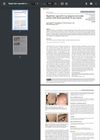
research Rapid hair regrowth in an alopecia universalis patient with deucravacitinib: A case report
A new treatment called deucravacitinib helped a patient with severe hair loss grow their hair back quickly.
research Effectiveness and Predictive Factors of Response to Tofacitinib Therapy in 125 Patients with Alopecia Areata: A Single-centre Real-world Retrospective Study
Tofacitinib is effective for treating alopecia areata, and starting treatment early may improve results.

research Safety and efficacy of tofacitinib in 97 alopecia areata patients
Tofacitinib is an effective and safe treatment for alopecia areata.
research Considerations for the Treatment Strategy of Relapse After Tofacitinib Therapy in Alopecia Areata
Alternative treatments are needed when Tofacitinib alone fails for alopecia areata.

research Resistant alopecia areata treated with tofacitinib
Tofacitinib can be effective in treating hair loss caused by alopecia areata.
research Ivarmacitinib in atopic dermatitis presenting with prurigo nodularis-like lesions and alopecia areata: a case report
Ivarmacitinib may effectively treat complex atopic dermatitis and related hair loss.
research Multiple iridociliary cysts in patients with mucopolysaccharidoses
Intralesional cidofovir may be a viable alternative treatment for SCC.
research ETP026 A case of alopecia areata associated with low dosage VPA treatment
Low dose valproic acid treatment caused hair loss in a young patient.

research Effectiveness of oral tofacitinib treatment on patients with moderate‐to‐severe alopecia areata in Iran
Tofacitinib is effective and has minor, reversible side effects for treating severe hair loss in Iran.

research Treatment of resistant alopecia areata with tofacitinib
Tofacitinib may be effective for treating hair loss caused by alopecia areata that doesn't respond to other treatments.
research 448 Challenges of securing insurance approval for oral tofacitinib treatment of alopecia areata: A multi-institutional retrospective review
Getting insurance to cover the hair loss treatment tofacitinib is hard because it's not officially approved for that use.

research Supplementary Material for: TOFACITINIB IN OVERLAPPING AUTOIMMUNE AND AUTOINFLAMMATORY DISORDERS: A CASE REPORT OF A DUAL GRAHAM-LITTLE-PICCARDI-LASSEUR SYNDROME AND HIDRADENITIS SUPPURATIVA
Tofacitinib significantly improved hair loss and lesions in a patient with overlapping autoimmune disorders.
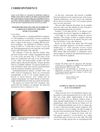
research FOCAL HYPERTRICHOSIS DURING TOPICAL TACROLIMUS THERAPY FOR CHILDHOOD VITILIGO
An 8-year-old girl with vitiligo developed extra hair growth on her knee after using tacrolimus ointment.
research Characteristics and Outcomes of Patients on Tofacitinib for Alopecia Areata or Rheumatoid Arthritis: A Retrospective Cohort Study
Patients with rheumatoid arthritis using tofacitinib had more serious side effects than those with alopecia areata.
research Short-term Efficacy of Tofacitinib, a JAK Inhibitor, in IFIH1-related Aicardi-Goutières Syndrome
Tofacitinib helped improve symptoms and hair growth in a patient with Aicardi-Goutières syndrome.
research Teriflunomide: a novel oral treatment for relapsing multiple sclerosis
Teriflunomide is an effective and safe first-line oral treatment for relapsing multiple sclerosis.
research Rare Presentation of Concomitant Alopecia Areata and Vitiligo in a Teenager
A teenager had both alopecia areata and vitiligo, which are rare to occur together.
research Retrospective Analysis of Oral Tofacitinib Treatment for Alopecia Areata at a Tertiary Care Hospital in Saudi Arabia
Oral tofacitinib effectively treats alopecia areata long-term with manageable side effects.
research Sequential Immunotherapy with Tofacitinib and Low-Dose IL-2 Induces Sustained Remission in Alopecia Areata: A Proof-of-concept monocentric study
Tofacitinib and low-dose IL-2 may help maintain hair regrowth in alopecia areata without ongoing treatment.

research Treatment of Refractory Segmental Vitiligo and Alopecia Areata in a Child with Upadacitinib and NB-UVB: A Case Report
Upadacitinib and narrowband UVB effectively treated a child's vitiligo and alopecia areata.
research Baricitinib Provides Higher Efficacy in Adolescents Relative to Adults With Alopecia Areata Despite More Severe Disease at Baseline: 36-Week Outcomes From BRAVE-AA Trials
Baricitinib works better in adolescents than adults for treating severe alopecia areata.