 15 citations
,
November 2020 in “Pharmaceutics”
15 citations
,
November 2020 in “Pharmaceutics” Tofacitinib nanoparticles can safely and effectively treat alopecia areata by targeting hair follicles.
13 citations
,
January 2017 in “Annals of dermatology/Annals of Dermatology” Simvastatin/ezetimibe may help some patients with severe alopecia areata regrow hair.
 24 citations
,
January 2018 in “International Journal of Trichology”
24 citations
,
January 2018 in “International Journal of Trichology” Tofacitinib helped regrow hair in patients with alopecia, with few side effects.
 1 citations
,
April 2018 in “Journal of Investigative Dermatology”
1 citations
,
April 2018 in “Journal of Investigative Dermatology” Tofacitinib helped most patients with alopecia areata regrow hair and changes in immune cells were linked to the treatment's effectiveness.
 May 2026 in “Indian Journal of Dermatology”
 Tofacitinib shows promise for treating alopecia areata with significant hair regrowth and mild side effects.
 April 2024 in “Indian Journal of Paediatric Dermatology”
 Congenital triangular alopecia and vitiligo can occur together, but treatment for one may not affect the other.
12 citations
,
May 2010 in “Journal of Clinical Oncology” MK-5108 is safe and shows potential against tumors, especially alone.
 October 2025 in “Actualización en Medicina de Familia”
 New drugs face challenges due to limited evidence, and safety updates are advised for some existing medications.
 June 2026 in “Frontiers in Immunology”
 Upadacitinib effectively treated severe atopic dermatitis, vitiligo, and alopecia areata in one patient.
January 2026 in “Pediatrics International” Live vaccines can be safely given to infants with a FOXN1 variant if their immune function improves over time.
 51 citations
,
June 2016 in “Journal of the European Academy of Dermatology and Venereology”
51 citations
,
June 2016 in “Journal of the European Academy of Dermatology and Venereology” Tofacitinib was effective in treating hair loss in two patients with alopecia universalis.
 May 2026 in “Journal of Neurosciences in Rural Practice”
 Tofacitinib may cause nerve damage in the brain, so monitor for neurological symptoms.
4 citations
,
April 2007 in “Journal of Pediatric Gastroenterology and Nutrition” A liver transplant patient with APECED had a rare VZV recurrence and pneumonia, treated successfully, but later died from other infections.
13 citations
,
February 2017 in “Clinical rheumatology” Tofacitinib may help treat nail dystrophy, especially when other treatments fail.
 July 2017 in “Nursing2023”
 Actemra is approved for a specific artery condition, HIV treatment adherence has improved, women may pay more for a hair loss product, and incorrect dosing of blood thinners can be risky.
 11 citations
,
January 2018 in “Acta dermato-venereologica”
11 citations
,
January 2018 in “Acta dermato-venereologica” Tofacitinib works better and is more tolerable for severe alopecia than conventional treatments and DPCP immunotherapy.
 September 2013 in “Neurodegenerative disease management”
 Teriflunomide is effective and generally safe for treating relapsing multiple sclerosis, reducing relapse rates and disability progression.
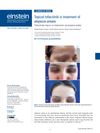 2 citations
,
January 2020 in “Einstein (São Paulo)”
2 citations
,
January 2020 in “Einstein (São Paulo)” Topical tofacitinib shows promise as a future treatment for alopecia areata.
 January 2021 in “Anais do Congresso Brasileiro de Reumatologia 2020”
 Tofacitinib improved arthritis and partially improved hair loss in a lupus patient without side effects.
 March 2026 in “Clinical Cosmetic and Investigational Dermatology”
 Upadacitinib improved multiple immune-related conditions in one patient.
 185 citations
,
June 2014 in “Journal of Investigative Dermatology”
185 citations
,
June 2014 in “Journal of Investigative Dermatology” A man with severe hair loss and skin disease regrew his hair with no side effects after taking tofacitinib.
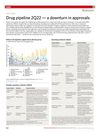 August 2022 in “Nature Biotechnology”
 Drug approvals slowed in 2Q22, but notable drugs like Amvuttra, Camzyos, and Olumiant were approved.
 1 citations
,
May 2017 in “Journal of the American Academy of Dermatology”
1 citations
,
May 2017 in “Journal of the American Academy of Dermatology” Oral tofacitinib may be an effective and tolerable treatment for some people with severe alopecia areata.
January 2022 in “Drugs of Today” 15 citations
,
December 2009 in “PubMed” A child with eruptive vellus hair cysts showed some improvement with calcipotriene cream.
1 citations
,
April 2023 in “Heliyon” Disitamab vedotin and gemcitabine effectively treated bladder cancer without major side effects.
 September 2023 in “International Journal of Trichology”
 Tofacitinib helped a woman regrow hair with no major side effects.
Combining excimer lamp and tofacitinib gel may help treat hair loss in children.
 2 citations
,
April 2017 in “Journal of Investigative Dermatology”
2 citations
,
April 2017 in “Journal of Investigative Dermatology” Tofacitinib helped over half of the patients with severe hair loss regrow at least 50% of their hair.
8 citations
,
January 2017 in “Dermatology online journal” Tofacitinib helped psoriasis but not alopecia universalis, needing more research.