 March 2026 in “SHILAP Revista de lepidopterología”
 Rituximab may cause skin issues, but baricitinib can help improve them.
 February 2026 in “Zenodo (CERN European Organization for Nuclear Research)”
 Alopecia affects mental health, causing depression and anxiety, but new treatments can improve both hair growth and quality of life.
 February 2026 in “Zenodo (CERN European Organization for Nuclear Research)”
 Alopecia affects mental health, causing depression and anxiety, but new treatments can help improve both hair growth and quality of life.
February 2026 in “Journal of Allergy and Clinical Immunology” Alopecia areata involves immune system issues and specific cell types that disrupt hair growth, leading to hair loss.
 February 2026 in “Dove Medical Press (Taylor and Francis Group)”
 Upadacitinib can effectively regrow hair in alopecia areata patients without worsening sarcoidosis.
 February 2026 in “Frontiers in Immunology”
 Ivarmacitinib significantly improved hair regrowth in severe alopecia areata after tofacitinib was less effective.
 February 2026 in “Eduvest - Journal Of Universal Studies”
 Janus Kinase Inhibitors are promising new treatments for various skin conditions due to their effectiveness and safety.
February 2026 in “Annals of Case Reports” Tofacitinib helped a patient regrow hair after 40 years of total hair loss.
 February 2026 in “Stem Cell Research & Therapy”
 Stem cell therapies show promise for hair regrowth in alopecia areata but need more research for safety and effectiveness.
February 2026 in “Journal of Advances in Biology & Biotechnology” Alopecia areata causes unpredictable hair loss and requires personalized treatment.

A few users dominate Reddit discussions on JAK inhibitors, highlighting social media's potential for tracking drug safety but needing expert oversight.
 February 2026 in “Indian Journal of Skin Allergy”
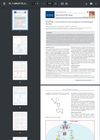
 Ruxolitinib cream effectively treats skin conditions like atopic dermatitis and vitiligo with minimal side effects.
 February 2026 in “Journal of Drugs in Dermatology”
 Janus kinase inhibitors are effective and safe for treating alopecia areata.
 February 2026 in “Clinical Cosmetic and Investigational Dermatology”
 Upadacitinib improves life quality for Alopecia Areata patients without worsening skin issues.
 January 2026 in “International Journal of Innovative Technologies in Social Science”
 JAK inhibitors show promise for treating alopecia areata, but more research is needed.
Dupilumab may worsen hair loss in patients with alopecia areata.
January 2026 in “Journal of Investigative Dermatology” Female-pattern hair loss may involve an autoimmune-like process, suggesting new treatment options.
 January 2026 in “Forum Dermatologicum”
 JAK inhibitors and combination therapies show promise for treating severe alopecia areata.
January 2026 in “Journal of Dermatology Research and Therapy” Combination therapy effectively regrows hair and reduces severity in Black children with stubborn Alopecia Areata.
January 2026 in “Clinical and Experimental Dermatology” Ruxolitinib helped a patient with alopecia areata regrow hair.
 January 2026 in “Dermatology Reports”
 Upadacitinib improved symptoms and hair regrowth in a teen with multiple autoimmune conditions.
Hair restoration is advancing with new treatments and needs collaboration across fields for effective, evidence-based care.
 January 2026 in “Frontiers in Drug Discovery”
 Transforming skin disease treatment requires new strategies, better drug models, and patient-focused research.
January 2026 in “Journal of Clinical Medicine” Janus kinase inhibitors reduce inflammation markers in severe alopecia areata patients.

Deuruxolitinib is approved to treat severe alopecia areata in adults.
 January 2026 in “International Journal of All Research Education & Scientific Methods”
 Alopecia is caused by various factors, and new treatments like gene editing and regenerative medicine offer hope for personalized hair regrowth solutions.
January 2026 in “Experimental Dermatology” Skin-resident memory T cells may contribute to chronic alopecia areata and baricitinib could be a potential treatment.
January 2026 in “Archivio istituzionale della ricerca (Alma Mater Studiorum Università di Bologna)” Baricitinib effectively promotes hair regrowth and improves well-being in severe alopecia areata patients.
January 2026 in “Aesthetic Surgery Journal Open Forum” Future hair loss treatments focus on non-invasive and regenerative methods, needing more clinical trials.
December 2025 in “International Journal of Dermatology” Björnstad syndrome can cause hair loss similar to androgenetic alopecia, and treatment with baricitinib and minoxidil may help.