 December 2025 in “IP Indian Journal of Clinical and Experimental Dermatology”
 Androgenetic alopecia treatments are becoming more personalized and include new therapies like topical antiandrogens and regenerative strategies.
December 2025 in “Indian Dermatology Online Journal” Improved diagnosis and affordable topical treatments are essential for managing alopecia areata in India.
 December 2025 in “International Journal of Innovative Technologies in Social Science”
 Oral JAK inhibitors effectively treat alopecia areata and are generally well-tolerated.
 December 2025 in “Dermatology The American Medical Journal”
 JAK inhibitors are effective for long-term management of alopecia areata.
December 2025 in “Skin Health and Disease” Dupilumab can cause rare hair loss, but switching treatments can restore hair and control eczema.
December 2025 in “International Journal of Dermatology and Venereology” Targeted immunotherapies may offer better treatment for alopecia areata by controlling inflammation and immune responses.
December 2025 in “Actas Dermo-Sifiliográficas” Ritlecitinib is effective and safe for treating severe alopecia areata in people aged 12 and older.
December 2025 in “Medicine - Programa de Formación Médica Continuada Acreditado” Recent advancements in hair loss treatments include new therapies and insights for different types of alopecia.
Children with alopecia areata need supportive care and off-label treatments due to a lack of approved options.
December 2025 in “PubMed” Baricitinib is effective and safe for treating severe alopecia areata.
November 2025 in “Biomedicines” Targeting pyroptosis may offer new treatments for alopecia areata, but more research is needed.
Alopesi tedavisinde ilaçlar saç büyümesini teşvik eder ve yeni yaklaşımlar umut vaat eder.
November 2025 in “Journal of Investigative Dermatology” Chronic refractory alopecia areata has more skin-resident memory T cells, and JAK inhibitors may help reduce them.
November 2025 in “Journal of Medicinal Chemistry” Topical PROTACs show promise for treating skin conditions but need better stability and delivery methods.
November 2025 in “Journal of the European Academy of Dermatology and Venereology” JAK inhibitors may reduce depression in people with alopecia areata.
November 2025 in “British Journal of Dermatology” The guideline recommends personalized treatment for alopecia areata, including new oral medications and psychological support.
November 2025 in “The Journal of Dermatology” Nemolizumab improved both severe atopic dermatitis and alopecia areata in one patient.
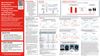 November 2025 in “SKIN The Journal of Cutaneous Medicine”
 Baricitinib effectively regrows scalp hair in most people with severe alopecia areata.
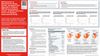 November 2025 in “SKIN The Journal of Cutaneous Medicine”
 Baricitinib significantly regrows hair in nasal, genital, and beard areas for severe alopecia areata.
 November 2025 in “Turkish Journal of Dermatology”
 Both baricitinib and tofacitinib effectively reduce alopecia areata severity, with tofacitinib showing more improvement over longer use.
 November 2025 in “Journal of Investigative Dermatology”
 Combination therapy, including JAK inhibitors, effectively regrows hair and reduces severity in Black children with stubborn Alopecia Areata.
November 2025 in “Clinical and Translational Medicine” DNAJB9 cfRNA could help diagnose and treat female hair loss.
 October 2025 in “Dermatologica Sinica”
 A personalized treatment combining traditional and new therapies may improve hair loss outcomes in alopecia areata.
October 2025 in “Cosmetics” Genetic insights can lead to personalized treatments for acne, androgenetic alopecia, and alopecia areata.
 October 2025 in “JEADV Clinical Practice”
 The name Janus is fitting for JAK inhibitors as they revolutionize dermatology treatments.
 October 2025 in “Dermatology and Therapy”
 Recognizing and treating related skin conditions can improve atopic dermatitis management.
 September 2025 in “Australasian Journal of Dermatology”
 New medications could improve treatment for severe alopecia areata in Australia.
September 2025 in “Journal of Skin and Stem Cell” Baricitinib shows promise for treating various skin conditions beyond alopecia areata.
 September 2025 in “Dermatology and Therapy”
 Baricitinib is a promising treatment for alopecia areata in the UAE, but there are challenges with data and access.
September 2025 in “Chinese Journal of Chromatography” A new method accurately detects illegal JAK inhibitors in hair loss cosmetics.