15 citations
,
December 2019 in “European Journal of Dermatology” Low-dose tofacitinib is effective and cheaper for severe alopecia areata.
 July 2026 in “Dermatology and Therapy”
 Alopecia areata in Brazil causes significant psychosocial impacts, with limited access to advanced treatments, especially in public healthcare.
January 2018 in “Dermatology Online Journal” Alopecia areata is hard to treat, but new targeted therapies show promise.
71 citations
,
May 2024 in “New England Journal of Medicine” Ruxolitinib may effectively treat APS-1 by reducing harmful immune responses.
19 citations
,
August 2023 in “Journal of Dermatological Treatment” Abrocitinib may effectively treat stubborn alopecia universalis.
Ivarmacitinib effectively regrows hair in severe alopecia areata.
 September 2023 in “JAAD case reports”
 A man developed oral hairy leukoplakia while on baricitinib, a medication for alopecia and arthritis, and doctors should watch for such side effects.
September 2023 in “Journal of the American Academy of Dermatology” CTP-543 is generally safe for treating alopecia areata.
 September 2022 in “Plastic and Reconstructive Surgery”
 Baricitinib helps with severe hair loss, negative-pressure therapy lowers hernia recurrence, tranexamic acid reduces bleeding, robot-assisted breast surgery may improve outcomes, and acellular dermal matrix could decrease breast reconstruction complications.
 3 citations
,
March 2021 in “Clinical, Cosmetic and Investigational Dermatology”
3 citations
,
March 2021 in “Clinical, Cosmetic and Investigational Dermatology” Early treatment of Lupus Erythematosus Alopecia can prevent permanent hair loss, and various medications are effective.
 June 2019 in “Poster presentations”
 Low dose methotrexate does not increase hair fall and may reduce it.
 June 2019 in “Poster presentations”
 Most patients with rheumatoid arthritis continued methotrexate treatment over two years, but those who stopped and restarted experienced more side effects and less improvement.
 March 2026 in “American Journal of Clinical Dermatology”
 Ritlecitinib is effective and safe for long-term use in treating severe alopecia areata in people aged 12 and older.
 28 citations
,
December 2017 in “Journal of Investigative Dermatology Symposium Proceedings”
28 citations
,
December 2017 in “Journal of Investigative Dermatology Symposium Proceedings” Tofacitinib shows promise for treating severe hair loss in adults and teens, with many experiencing regrowth, but hair loss returns when treatment stops.
 20 citations
,
July 2024 in “Archives of Dermatological Research”
20 citations
,
July 2024 in “Archives of Dermatological Research” Dupilumab helps children with alopecia areata regrow hair safely.
 June 2013 in “Annals of the rheumatic diseases”
 Methotrexate dose has little effect on its toxicity when used with adalimumab for early rheumatoid arthritis.
 18 citations
,
January 2017 in “Journal der Deutschen Dermatologischen Gesellschaft”
18 citations
,
January 2017 in “Journal der Deutschen Dermatologischen Gesellschaft” High and low doses of prednisolone helped 62% of children with severe alopecia regrow hair with some weight gain and mild acne as side effects.
 June 2026 in “Dermatology and Therapy”
 Ritlecitinib provides new treatment options for diverse alopecia areata patients.
 August 2018 in “Journal of the American Academy of Dermatology”
 Tofacitinib is a potential alternative treatment for alopecia totalis, especially in patients with a shorter duration of the condition and more preserved hair follicles, but the overall response rate is low.
 March 2024 in “Clinical, cosmetic and investigational dermatology”
 Severe alopecia areata greatly impacts quality of life, mental health, and daily activities.
 June 2026 in “Journal of health economics and outcomes research”
 Ritlecitinib is more effective and cost-efficient than baricitinib for severe alopecia areata.
52 citations
,
January 2021 in “Journal of Thoracic Oncology” Effective vaccines and treatments are crucial for long-term COVID-19 control.
May 2025 in “Journal of the European Academy of Dermatology and Venereology” Etrasimod is safe but not effective for severe alopecia areata, though it may help milder cases.
 July 2025 in “International Journal of Dermatology Venereology and Leprosy Sciences”
 Higher stress levels may worsen alopecia areata, suggesting stress management is important for treatment.
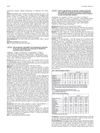 June 2016 in “Annals of the rheumatic diseases”
 Methotrexate is effective for treating rheumatoid arthritis but requires regular monitoring.
 11 citations
,
January 2020 in “Dermatologica Sinica”
11 citations
,
January 2020 in “Dermatologica Sinica” Tofacitinib helps regrow hair in severe alopecia patients, but more research is needed.
June 2025 in “Veterinary Sciences” Oclacitinib effectively treated a diabetic cat's severe skin issues without raising glucose levels, and surgery fixed eyelid fusion.
63 citations
,
July 2024 in “Journal of the American Academy of Dermatology” Deuruxolitinib effectively promotes hair regrowth in adults with alopecia areata.
Baricitinib helps keep hair, eyebrows, and eyelashes regrown for 3 years in most people with severe hair loss.
 February 2026 in “Reports — Medical Cases Images and Videos”
 Upadacitinib may help regrow hair in children with alopecia areata and is generally safe.