 8 citations
,
May 2017 in “Singapore Medical Journal”
8 citations
,
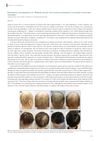
May 2017 in “Singapore Medical Journal” A Korean woman with complete hair loss regrew her hair after taking tofacitinib, with no side effects.
 124 citations
,
October 2019 in “Frontiers in Immunology”
124 citations
,
October 2019 in “Frontiers in Immunology” Janus kinase inhibitors are promising treatments for autoimmune skin diseases like eczema and psoriasis.
 9 citations
,
January 2023 in “Dermatology and therapy”
9 citations
,
January 2023 in “Dermatology and therapy” A 14-year-old girl with severe hair loss regrew her hair using upadacitinib.
 June 2026 in “Saudi Medical Horizons Journal”
 JAK inhibitors show promise in treating skin conditions like eczema, hair loss, and vitiligo but need more safety research.
 April 2026 in “International Journal of Drug Delivery Technology”
 Alopecia can often be managed effectively with various treatments, but early diagnosis is crucial for preventing permanent hair loss.
 March 2018 in “Suez Canal University Medical Journal”
 New drugs targeting the JAK-STAT pathway show promise for treating inflammatory skin diseases.
 2 citations
,
September 2021 in “Curēus”
2 citations
,
September 2021 in “Curēus” Tofacitinib may be safe for COVID-19 patients with alopecia without worsening symptoms, based on two cases.
 2 citations
,
April 2019 in “Dermatologic Therapy”
2 citations
,
April 2019 in “Dermatologic Therapy” A patient with alopecia had hair regrowth with tofacitinib but developed a skin reaction, choosing to continue the treatment despite the side effect.
 1 citations
,
April 2018 in “Journal of Investigative Dermatology”
1 citations
,
April 2018 in “Journal of Investigative Dermatology” Tofacitinib helped most patients with alopecia areata regrow hair and changes in immune cells were linked to the treatment's effectiveness.
 February 2026 in “Frontiers in Immunology”
 Ivarmacitinib significantly improved hair regrowth in severe alopecia areata after tofacitinib was less effective.
 1 citations
,
January 2023 in “Research Square (Research Square)”
1 citations
,
January 2023 in “Research Square (Research Square)” A woman's vitiligo improved with tofacitinib treatment, and her skin color remained even after stopping the medication, but there are concerns about cancer risk.
 December 2024 in “Cureus”
 Baricitinib treatment for alopecia universalis can cause hair regrowth with unexpected whitening.
 7 citations
,
March 2017 in “Actas Dermo-Sifiliográficas”
7 citations
,
March 2017 in “Actas Dermo-Sifiliográficas” Several new treatments for different types of hair loss show promise in improving patient quality of life.
 185 citations
,
June 2014 in “Journal of Investigative Dermatology”
185 citations
,
June 2014 in “Journal of Investigative Dermatology” A man with severe hair loss and skin disease regrew his hair with no side effects after taking tofacitinib.
 82 citations
,
March 2016 in “Autoimmunity reviews”
82 citations
,
March 2016 in “Autoimmunity reviews” Animal models have helped understand hair loss from alopecia areata and find new treatments.
 77 citations
,
June 2017 in “Advances in Therapy”
77 citations
,
June 2017 in “Advances in Therapy” New treatments for Alopecia Areata, like JAK inhibitors, show promise for hair regrowth and are likely to change future treatment approaches.
 63 citations
,
April 2018 in “Journal of the American Academy of Dermatology”
63 citations
,
April 2018 in “Journal of the American Academy of Dermatology” Topical JAK inhibitors may help treat some skin conditions but need more research.
 1 citations
,
September 2023 in “Clinical, cosmetic and investigational dermatology”
1 citations
,
September 2023 in “Clinical, cosmetic and investigational dermatology” Certain genetic variants linked to immune response increase the risk of alopecia areata in Taiwanese people.
 January 2026 in “Frontiers in Molecular Biosciences”
 A new method helps diagnose alopecia areata using specific gene markers and could guide targeted treatments.
 July 2023 in “The Egyptian Journal of Hospital Medicine ”
 Alopecia areata is a hair loss condition caused by immune factors and can be treated with JAK inhibitors.
 60 citations
,
September 2015 in “Expert Review of Clinical Immunology”
60 citations
,
September 2015 in “Expert Review of Clinical Immunology” Lymphocytes, especially CD8+ T cells, play a key role in causing alopecia areata, and targeting them may lead to new treatments.
 10 citations
,
January 2023 in “Acta dermato-venereologica”
10 citations
,
January 2023 in “Acta dermato-venereologica” Baricitinib and deuruxolitinib are effective for treating alopecia areata, but their efficacy depends on the dose.
 10 citations
,
August 2014 in “PLoS ONE”
10 citations
,
August 2014 in “PLoS ONE” Hair follicles can help diagnose traumatic brain injury quickly and non-invasively.
 May 2026 in “Journal of Skin and Sexually Transmitted Diseases”
 Upadacitinib effectively treats skin conditions like eczema and psoriasis and is becoming more widely used and affordable.
 March 2026 in “Clinical Cosmetic and Investigational Dermatology”
 Upadacitinib improved multiple immune-related conditions in one patient.
 December 2025 in “ADMET & DMPK”
 Personalized treatments for hair loss focus on specific genetic and biological pathways.
 2 citations
,
March 2024 in “PubMed”
2 citations
,
March 2024 in “PubMed” More research is needed on alopecia areata treatments and its psychological effects.
 99 citations
,
July 2017 in “Clinical Reviews in Allergy & Immunology”
99 citations
,
July 2017 in “Clinical Reviews in Allergy & Immunology” New treatments for Alopecia Areata show promise but need to be more effective and affordable.
 2 citations
,
January 2023 in “Prague Medical Report”
2 citations
,
January 2023 in “Prague Medical Report” JAK inhibitors, like baricitinib, are effective and safe for treating alopecia areata.

Upadacitinib effectively treated a patient with multiple inflammatory conditions.