 2 citations
,
May 2018 in “Expert opinion on orphan drugs”
2 citations
,
May 2018 in “Expert opinion on orphan drugs” Newborn screening and gene therapy are expected to improve outcomes for Omenn syndrome patients.
 June 2026 in “Dermatology and Therapy”
 Ritlecitinib provides new treatment options for diverse alopecia areata patients.
 March 2026 in “Frontiers in Pharmacology”
 New treatments for hair loss show promise but need more testing for effectiveness and safety.
 February 2026 in “Clinical Cosmetic and Investigational Dermatology”
 Vitiligo is influenced by genetics and environment, and combining these factors can improve early detection and prevention.
 December 2025 in “Ciencia Latina Revista Científica Multidisciplinar”
 Nanotechnology shows promise in improving hair loss treatments by enhancing drug delivery and reducing side effects.
 November 2025 in “International Journal of Recent Innovations in Medicine and Clinical Research”
 Understanding different types of hair loss helps in accurate diagnosis and treatment.
 October 2025 in “Clinical Cosmetic and Investigational Dermatology”
 Targeting specific cell interactions may help treat skin fibrosis.
 September 2025 in “Nano Biomedicine and Engineering”
 Nanomedicines could offer better, longer-lasting psoriasis treatments with fewer side effects.
 August 2025 in “American Journal of Clinical Dermatology”
 Clinicians should use evidence-based tools and consider mental health when assessing alopecia areata to guide treatment.
 July 2025 in “International Journal of Dermatology Venereology and Leprosy Sciences”
 Higher stress levels may worsen alopecia areata, suggesting stress management is important for treatment.
 December 2024 in “Journal of Population Therapeutics and Clinical Pharmacology”
 Psoriasis worsens in winter in India due to less sunlight and dry skin, needing personalized treatment.
New treatments for skin conditions show promise, especially Coacillium® for hair growth in young people with alopecia areata.
 March 2024 in “Frontiers in genetics”
 Different types of fibroblasts play specific roles in wound healing and cancer, which could help improve treatments.
 December 2023 in “Dermatology and therapy”
 Japanese patients and physicians often disagree on the severity of Alopecia Areata and treatment satisfaction, needing better communication and treatments.
 December 2023 in “bioRxiv (Cold Spring Harbor Laboratory)”
 AP-2α and AP-2β proteins are essential for healthy adult skin and hair.
 November 2023 in “Frontiers in pharmacology”
 Drug repositioning offers hope for new, affordable treatments for a genetic skin disorder called ARCI.
 October 2023 in “Frontiers in endocrinology”
 Effective PCOS treatments require targeting specific signaling pathways.
 October 2023 in “Frontiers in medicine”
 Targeted immunotherapy could be a promising new treatment for hair regrowth.
 September 2023 in “International Journal of Applied Pharmaceutics”
 The formulated gel is a promising treatment for alopecia areata.
 January 2023 in “Åbo Akademi University Research Portal”
 Vimentin is crucial for wound healing, cell growth, and managing immune responses.
 April 2016 in “The journal of investigative dermatology/Journal of investigative dermatology”
 The back of the scalp has more nerve fibers than the front, which may explain why some people feel more sensitivity there.
 April 2016 in “The journal of investigative dermatology/Journal of investigative dermatology”
 BMP signaling controls hair growth and skin color.
 4 citations
,
April 2018 in “Journal of Investigative Dermatology”
4 citations
,
April 2018 in “Journal of Investigative Dermatology” Hydroxypinacolone retinoate is a potent anti-aging ingredient for skin that is more effective and less irritating than other forms of retinoids.
 2 citations
,
February 2014 in “Hair therapy & transplantation”
2 citations
,
February 2014 in “Hair therapy & transplantation” Alopecia Areata is an autoimmune condition causing hair loss, influenced by genetics, environment, and possibly improved by anti-MIF therapy, with many patients experiencing regrowth within a year.
 April 2018 in “Journal of Investigative Dermatology”
 Older hair follicle stem cells have a reduced ability to renew themselves, leading to more hair loss.
 April 2018 in “Journal of Investigative Dermatology”
 Both Th1 and Th2 immune responses are increased in alopecia areata, with Th2 response more strongly linked to how severe the disease is.
 April 2018 in “Journal of Investigative Dermatology”
 Activating Nrf2 helps wounds heal faster by increasing hair follicle stem cells.
 April 2018 in “Journal of Investigative Dermatology”
 Topical tofacitinib is effective in promoting hair growth for non-scarring alopecia.
 4 citations
,
October 2024 in “American Journal of Clinical Dermatology”
4 citations
,
October 2024 in “American Journal of Clinical Dermatology” Ritlecitinib improved hair regrowth and emotional well-being in some alopecia areata patients.
 July 2025 in “SKIN The Journal of Cutaneous Medicine”
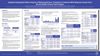
 Ritlecitinib is generally safe for alopecia areata patients over 72 months.