 2 citations
,
January 2020 in “Einstein (São Paulo)”
2 citations
,
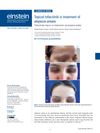
January 2020 in “Einstein (São Paulo)” Topical tofacitinib shows promise as a future treatment for alopecia areata.
 April 2026 in “Zenodo (CERN European Organization for Nuclear Research)”
 The model improves understanding of androgen interactions by focusing on signal intensity and system capacity.
 April 2023 in “Tikrit journal of pharmaceutical sciences”
 Ginger extract helps hair growth and reduces the need for prednisolone in alopecia areata patients.
November 2025 in “OPAL (Open@LaTrobe) (La Trobe University)” A new treatment effectively kills antibiotic-resistant bacteria and helps wounds heal faster by boosting the immune response.
January 2020 in “AYBU AVESIS” No significant differences in finger ratios or autism scores were found between acne patients and healthy individuals.
13 citations
,
April 2019 in “International journal of molecular sciences” Acyzol could help treat conditions caused by zinc deficiency.
June 2026 in “British Journal of Dermatology” JAK inhibitors can cause severe acne, limiting their use for hair regrowth.
 November 2017 in “Asian journal of pharmaceutical and clinical research”
 Three compounds from Dadap leaves may help treat hair loss.
12 citations
,
March 2004 in “Journal of Investigative Dermatology” November 2025 in “International Society of Hair Restoration Surgery” September 2025 in “International Society of Hair Restoration Surgery” May 2024 in “International Society of Hair Restoration Surgery” December 2025 in “Toxicology and Applied Pharmacology” 20 citations
,
October 2005 in “Archives of Dermatological Research” October 2019 in “European Journal of Dermatology” The boy's hair and skin color differences are due to a pigmentation disorder.
1 citations
,
December 2024 in “The Journal of Dermatology” Traumatic stress and alexithymia may contribute to alopecia areata.
July 2026 in “SKIN The Journal of Cutaneous Medicine” Accurate diagnosis of AANS is crucial for effective treatment and hair regrowth.
13 citations
,
October 2003 in “Clinical pediatrics” Steroid treatment greatly improved the symptoms of a boy with a rare disorder called Satoyoshi syndrome.
1 citations
,
January 2014 SAHA syndrome links oily skin, acne, excess hair, and hair loss in women, similar to PCOS.
1 citations
,
May 2024 in “Archives of Dermatological Research” Children with alopecia areata often face neglectful parenting, leading to higher anxiety and depression.
May 2014 in “Japanese Society of Anti-Aging Medicine”  14 citations
,
January 2020 in “Mediterranean Journal of Rheumatology”
14 citations
,
January 2020 in “Mediterranean Journal of Rheumatology” New JAK inhibitor drugs show promise for treating skin diseases but need more research on safety and effectiveness.
 3 citations
,
September 2019 in “Journal of Orthodontics”
3 citations
,
September 2019 in “Journal of Orthodontics” A boy's hair grew back after he stopped using orthodontic headgear that caused temporary hair loss.
 4 citations
,
May 2025 in “Frontiers in Immunology”
4 citations
,
May 2025 in “Frontiers in Immunology” JAK inhibitors effectively and safely treat alopecia areata with few serious side effects.
July 1996 in “Hair transplant forum international”  December 2025 in “Cureus”
 Alopecia areata and psoriasis vulgaris can inhibit each other in the same areas.
 December 2024 in “Journal of Student Research”
 Using hibiscus extract shampoo every 2 days is more effective for preventing hair loss.
 April 2025 in “Revista JRG de Estudos Acadêmicos”
 Instagram® effectively spreads awareness about onychomycosis.
July 2025 in “International Journal of Biological Macromolecules” The microneedle patch boosts hair growth by reducing DHT and oxidative stress.