 July 2018 in “Elsevier eBooks”
 The most common cause of hair loss in children is tinea capitis, followed by alopecia areata and telogen effluvium.
 22 citations
,
May 2021 in “Nature Communications”
22 citations
,
May 2021 in “Nature Communications” Tissue stiffness affects hair follicle regeneration, and Twist1 is a key regulator.
 January 2024 in “Wiadomości Lekarskie”
 Autologous fat grafting for facial regeneration is widely used but lacks evidence on the best methods.
6 citations
,
December 2013 in “Journal of Investigative Dermatology Symposium Proceedings” Alopecia areata involves complex immune and genetic factors, with potential treatment targets identified, but more research is needed.
 139 citations
,
November 2016 in “Journal of the American Academy of Dermatology”
139 citations
,
November 2016 in “Journal of the American Academy of Dermatology” Tofacitinib helped regrow hair in most adolescents with alopecia areata, but more research is needed.
 March 2023 in “PARIPEX INDIAN JOURNAL OF RESEARCH”
 Tofacitinib helped regrow hair in most patients with severe hair loss.
 15 citations
,
January 2024 in “The AAPS Journal”
15 citations
,
January 2024 in “The AAPS Journal” 50-mg ritlecitinib capsules are bioequivalent to 100-mg capsules.
 68 citations
,
November 2015 in “The Journal of Allergy and Clinical Immunology”
68 citations
,
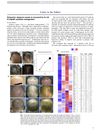
November 2015 in “The Journal of Allergy and Clinical Immunology” Blocking IL-12/IL-23p40 helped reverse severe hair loss in patients.
 December 2025 in “International Journal of Ayurvedic Medicine”
 Fenugreek seeds help with diabetes and cholesterol, while leaves fight microbes and dandruff.
 January 2024 in “Journal of applied biological chemistry”
 Glehnia littoralis and Andrographis paniculata extracts can significantly boost hair growth.
 20 citations
,
December 2019 in “The journal of allergy and clinical immunology/Journal of allergy and clinical immunology/The journal of allergy and clinical immunology”
20 citations
,
December 2019 in “The journal of allergy and clinical immunology/Journal of allergy and clinical immunology/The journal of allergy and clinical immunology” Blocking IL-12/IL-23 does not help with hair loss in alopecia areata for mice or humans.
 11 citations
,
February 2021 in “Journal of Cosmetic Dermatology”
11 citations
,
February 2021 in “Journal of Cosmetic Dermatology” Oral tofacitinib helped regrow hair in over half of the patients with severe alopecia, but relapses and side effects were common.
 11 citations
,
January 2018 in “Acta dermato-venereologica”
11 citations
,
January 2018 in “Acta dermato-venereologica” Tofacitinib works better and is more tolerable for severe alopecia than conventional treatments and DPCP immunotherapy.
 March 2026 in “Journal of Pakistan Association of Dermatologists”
 Tofacitinib helps hair regrowth in alopecia areata but relapse is common after stopping treatment.
 August 2022 in “Nature Biotechnology”
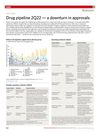
 Drug approvals slowed in 2Q22, but notable drugs like Amvuttra, Camzyos, and Olumiant were approved.
 47 citations
,
October 2014 in “Expert Opinion on Emerging Drugs”
47 citations
,
October 2014 in “Expert Opinion on Emerging Drugs” New alopecia treatments aim for better results and fewer side effects.
 January 2026 in “Dermatology and Therapy”
 Patients with alopecia areata on ritlecitinib responded well to tetanus and meningococcal vaccines.
 15 citations
,
November 2020 in “Pharmaceutics”
15 citations
,
November 2020 in “Pharmaceutics” Tofacitinib nanoparticles can safely and effectively treat alopecia areata by targeting hair follicles.
 4 citations
,
May 2025 in “Dermatology and Therapy”
4 citations
,
May 2025 in “Dermatology and Therapy” Baricitinib effectively improves symptoms of atopic dermatitis and alopecia areata with few side effects.
 3 citations
,
September 2024 in “Dermatology and Therapy”
3 citations
,
September 2024 in “Dermatology and Therapy” Previous alopecia areata treatments do not affect the long-term effectiveness of ritlecitinib.
 1 citations
,
January 2025 in “American Journal of Translational Research”
1 citations
,
January 2025 in “American Journal of Translational Research” PPARα agonists may help treat alopecia areata by reducing inflammation.
 April 2026 in “Dermatology and Therapy”
 Baricitinib 4 mg should be used for at least 1 year to see significant hair regrowth in severe alopecia areata.
 July 2017 in “British Journal of Dermatology”
 The document concludes that scalp conditions have various causes and can present in many different ways.
 August 2023 in “Indian journal of pediatrics/Indian Journal of Pediatrics”
 Topical treatments helped a child with Down syndrome and severe hair loss regrow most of his hair.
 March 2019 in “Applied sciences”
 Laser therapy might help regrow hair in alopecia totalis better than steroids alone.
Oral tofacitinib effectively treats alopecia areata long-term with manageable side effects.
 22 citations
,
November 2024 in “Planta”
22 citations
,
November 2024 in “Planta” Aromatic plants can naturally help prevent skin aging and improve skin health.
 6 citations
,
January 2023 in “Annals of Dermatology”
6 citations
,
January 2023 in “Annals of Dermatology” The guidelines offer updated treatment recommendations for alopecia areata in Korea using topical and device-based methods.
 17 citations
,
January 2019 in “Dermatologic Therapy”
17 citations
,
January 2019 in “Dermatologic Therapy” Tofacitinib is effective and safe for long-term treatment of severe alopecia areata, with many patients achieving complete hair regrowth.