Search
for
Sort by
Research
90-120 / 1000+ results
research Treatment of alopecia universalis with topical Janus kinase inhibitors – a double blind, placebo, and active controlled pilot study
Topical JAK inhibitors may help treat alopecia universalis by promoting hair regrowth.
research Efficacy and safety of the oral Janus kinase 3/tyrosine kinase expressed in hepatocellular carcinoma family kinase inhibitor ritlecitinib over 24 months: integrated analysis of the ALLEGRO phase IIb/III and long-term phase III clinical studies in alopecia areata
Ritlecitinib effectively treats alopecia areata and is safe for long-term use in people 12 and older.
research 0527 Effectiveness of janus kinase inhibitor for rapidly progressive acute alopecia areata
research 75993 Safety of Janus kinase inhibitors for treatment of alopecia areata
research 170 Forecasting Phase 3 Dose-Response for Abrocitinib, an Oral Janus Kinase 1 Selective Inhibitor, Using Investigator’s Global Assessment and Eczema Area and Severity Index
Abrocitinib at 100 mg and 200 mg daily may significantly improve moderate-to-severe atopic dermatitis in patients 12 years and older.
research Treatment of vitiligo with the topical Janus kinase inhibitor ruxolitinib: A 32-week open-label extension study with optional narrow-band ultraviolet B

research Targeting the Janus Kinase Family in Autoimmune Skin Diseases
Janus kinase inhibitors are promising treatments for autoimmune skin diseases like eczema and psoriasis.
research Janus kinase inhibition for the treatment of refractory frontal fibrosing alopecia: A case series and review of the literature
JAK inhibitors, like ruxolitinib, may effectively treat frontal fibrosing alopecia.
research The role of janus kinases in the treatment of autoimmune skin diseases
Janus kinase inhibitors show promise in treating autoimmune skin diseases.
research Use of intramuscular triamcinolone acetonide in intermediate responders to janus kinase inhibition for alopecia areata: Case report
IMTA can help regrow hair in severe alopecia areata when JAK inhibitors don't work well.
research Janus kinase inhibition in Down syndrome: 2 cases of therapeutic benefit for alopecia areata
JAK inhibitors helped treat hair loss in two people with Down syndrome.
research Janus kinase (JAK)
JAK inhibitors may help treat alopecia areata and promote hair regrowth.
research Frontal fibrosing alopecia shows robust T helper 1 and Janus kinase 3 skewing
Frontal fibrosing alopecia is linked to increased immune system activity and reduced stem cells, suggesting early treatment targeting this pathway might prevent hair follicle damage.
research Emerging Topical and Systemic JAK Inhibitors in Dermatology
JAK inhibitors show promise for treating skin disorders like alopecia, eczema, and psoriasis.
research JAK Inhibitors for Treatment of Alopecia Areata
JAK inhibitors can effectively reverse hair loss in people with alopecia areata.
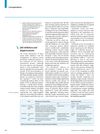
research JAK inhibitors and alopecia areata
JAK inhibitors help regrow hair in alopecia areata patients, improving their quality of life.
research Emerging drugs for alopecia areata: JAK inhibitors
JAK inhibitors may soon be a safe and effective treatment for alopecia areata.
research Under Development JAK Inhibitors for Dermatologic Diseases
New JAK inhibitor drugs show promise for treating skin diseases but need more research on safety and effectiveness.
research Rebound effect associated with JAK inhibitor use in the treatment of alopecia areata
Stopping JAK inhibitor treatment for hair loss can lead to worse hair loss than before the treatment.
research JAK 1-3 inhibitors and TYK-2 inhibitors in dermatology: Practical pearls for the primary care physician
Primary care doctors need to monitor JAK and TYK-2 inhibitors carefully for skin conditions.
research Real-world experience quantifying access to JAK inhibitor care for alopecia areata patients: a patient-centered survey study
Access to JAK inhibitor therapy for alopecia areata patients is difficult, especially for racial minorities.
research JAK-inhibitors in the therapy of comorbid diseases – atopic dermatitis and alopecia areata: literature review and experience of clinical practice
JAK inhibitors effectively treat severe atopic dermatitis and alopecia areata.
research Adverse events in patients treated with Jak‐inhibitors for alopecia areata: A systematic review
JAK-inhibitors for alopecia areata are generally safe with mostly mild side effects and a low rate of treatment withdrawal.
research Short-term malignancy risk of JAK inhibitors in severe alopecia areata: a multicenter cohort study
JAK inhibitors do not increase cancer risk in severe alopecia areata compared to traditional treatments.
research Efficacy and safety of JAK inhibitors in treating lichen planopilaris or frontal fibrosing alopecia
JAK inhibitors may effectively treat lichen planopilaris and frontal fibrosing alopecia with minimal side effects.
research 075 Clinical investigation of JAK inhibitor Tofacitinib in scarring alopecias
Tofacitinib may slow hair loss in scarring alopecias but is unlikely to regrow significant hair.
research Alopecia Universalis Treated With Tofacitinib: The Role of JAK/STAT Inhibitors in Hair Regrowth
Tofacitinib helped a woman with total-body hair loss grow her hair back.
research 43647 Treatment of Refractory Folliculitis Decalvans with the Topical JAK Inhibitor Tofacitinib
Topical tofacitinib helped a man with severe scalp condition after other treatments failed.
research The Role of JAK Inhibitors in Atopic Dermatitis, Alopecia Areata, and Vitiligo: A Review article
JAK inhibitors show promise in treating skin conditions like eczema, hair loss, and vitiligo but need more safety research.