 1 citations
,
July 2025 in “SKIN The Journal of Cutaneous Medicine”
1 citations
,
July 2025 in “SKIN The Journal of Cutaneous Medicine” Ritlecitinib is effective and safe for long-term treatment of alopecia areata.
 4 citations
,
October 2024 in “American Journal of Clinical Dermatology”
4 citations
,
October 2024 in “American Journal of Clinical Dermatology” Ritlecitinib improved hair regrowth and emotional well-being in some alopecia areata patients.
 42 citations
,
April 2021 in “Journal of clinical pharmacology”
42 citations
,
April 2021 in “Journal of clinical pharmacology” Baricitinib helps treat several diseases, including COVID-19, but has side effects and needs careful monitoring.
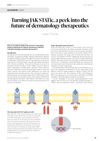 August 2024 in “New Zealand Medical Student Journal”
 JAK inhibitors show promise for treating skin diseases effectively and safely.
 159 citations
,
October 2015 in “Science Advances”
159 citations
,
October 2015 in “Science Advances” Blocking JAK-STAT signaling can lead to hair growth.
 25 citations
,
November 2022 in “British journal of dermatology/British journal of dermatology, Supplement”
25 citations
,
November 2022 in “British journal of dermatology/British journal of dermatology, Supplement” Baricitinib for severe alopecia areata is generally safe, with common side effects like infections and acne, and low rates of serious complications.
 2 citations
,
April 2024 in “Dermatology Practical & Conceptual”
2 citations
,
April 2024 in “Dermatology Practical & Conceptual” Tofacitinib and baricitinib are effective and safe for treating severe alopecia areata, especially in younger people.
 23 citations
,
April 2021 in “Journal of Clinical Medicine”
23 citations
,
April 2021 in “Journal of Clinical Medicine” Frontal Fibrosing Alopecia's cause is unclear, affects mainly postmenopausal women, and current treatments focus on stopping hair loss rather than regrowth.
 2 citations
,
March 2015 in “Expert opinion on orphan drugs”
2 citations
,
March 2015 in “Expert opinion on orphan drugs” New treatments for hair loss show promise but need more research to confirm safety and effectiveness.
 December 2024 in “Cureus”
 Baricitinib treatment for alopecia universalis can cause hair regrowth with unexpected whitening.
 November 2025 in “Turkish Journal of Dermatology”
 Both baricitinib and tofacitinib effectively reduce alopecia areata severity, with tofacitinib showing more improvement over longer use.
 January 2025 in “Acta Dermatovenerologica Alpina Pannonica et Adriatica”
 Baricitinib is effective and safe for treating severe alopecia areata.
 1 citations
,
October 2025 in “Cureus”
1 citations
,
October 2025 in “Cureus” Ritlecitinib may cause severe musculoskeletal pain in some alopecia universalis patients.
 1 citations
,
May 2024 in “Dermatology and Therapy”
1 citations
,
May 2024 in “Dermatology and Therapy” Frontal Fibrosing Alopecia needs better diagnostics and treatments, with dutasteride showing promise.
 98 citations
,
December 2008 in “Journal of Investigative Dermatology”
98 citations
,
December 2008 in “Journal of Investigative Dermatology” Prolactin affects hair growth and skin conditions, and could be a target for new skin disease treatments.
 23 citations
,
October 2018 in “Expert Opinion on Drug Safety”
23 citations
,
October 2018 in “Expert Opinion on Drug Safety” Consider benefits and risks of new alopecia treatments for safety.
 23 citations
,
November 2015 in “Phytotherapy Research”
23 citations
,
November 2015 in “Phytotherapy Research” Certain herbal compounds, especially from bitter melon, can inhibit cancer growth and promote hair growth by blocking PAK1.
 14 citations
,
March 2022 in “Journal of inflammation research”
14 citations
,
March 2022 in “Journal of inflammation research” Baricitinib shows promise as a new treatment for certain skin conditions like alopecia areata.
 February 2026 in “ImmunoTargets and Therapy”
 Tumor immunotherapy can cause hair loss by disrupting hair follicle immunity.
 April 2018 in “Journal of Investigative Dermatology”
 Aging reduces skin cell renewal and defense against germs due to TGFbeta, but blocking TGFbeta could help restore these functions.
 99 citations
,
July 2017 in “Clinical Reviews in Allergy & Immunology”
99 citations
,
July 2017 in “Clinical Reviews in Allergy & Immunology” New treatments for Alopecia Areata show promise but need to be more effective and affordable.
 2 citations
,
September 2021 in “Curēus”
2 citations
,
September 2021 in “Curēus” Tofacitinib may be safe for COVID-19 patients with alopecia without worsening symptoms, based on two cases.
 4 citations
,
December 2024 in “Clinical Cosmetic and Investigational Dermatology”
4 citations
,
December 2024 in “Clinical Cosmetic and Investigational Dermatology” Combining baricitinib with UV-B therapy effectively treats non-segmental vitiligo and is well-tolerated.
 October 2020 in “Veterinary Dermatology”
 New treatments and diagnostic methods for various animal skin conditions showed promising results.
 January 2026 in “Forum Dermatologicum”
 JAK inhibitors and combination therapies show promise for treating severe alopecia areata.
 60 citations
,
September 2015 in “Expert Review of Clinical Immunology”
60 citations
,
September 2015 in “Expert Review of Clinical Immunology” Lymphocytes, especially CD8+ T cells, play a key role in causing alopecia areata, and targeting them may lead to new treatments.
 40 citations
,
August 2022 in “Frontiers in immunology”
40 citations
,
August 2022 in “Frontiers in immunology” Blocking JAK/STAT pathways can help treat hair loss from alopecia areata.
 39 citations
,
January 2019 in “Journal of the American Academy of Dermatology”
39 citations
,
January 2019 in “Journal of the American Academy of Dermatology” Tofacitinib may help treat severe childhood alopecia areata, but risks require careful consideration.
 38 citations
,
June 2015 in “Expert Opinion on Therapeutic Targets”
38 citations
,
June 2015 in “Expert Opinion on Therapeutic Targets” Blocking the prolactin receptor might help treat various diseases, but more research is needed.
 11 citations
,
November 2018 in “Journal of the American Academy of Dermatology”
11 citations
,
November 2018 in “Journal of the American Academy of Dermatology” Tofacitinib therapy can effectively regrow eyebrows and eyelashes in some alopecia areata patients.