Search
for
Sort by
Research
450-480 / 1000+ results
research References
research References
research Indian gooseberry
Indian gooseberry has health benefits.
research 546 Gene expression signatures and ALADIN score correlates with response of alopecia areata patients to treatment with JAK inhibitors
The ALADIN score can predict how well patients with alopecia areata will respond to JAK inhibitor treatments.
research Janus Kinase Inhibitors for the Treatment of Severe Alopecia Areata: An Open-Label Comparative Study
Both ruxolitinib and tofacitinib are effective and safe for treating severe alopecia areata, but relapses are common.
research Pengaruh Daun Bayam Hijau (Amaranthus Hybidrus L.) sebagai Hair Tonic Rambut Rontok
Green spinach leaf tonic significantly reduces hair loss.
research Ayurvedic Management of Female Androgenetic Alopecia (Khalitya)
Ayurvedic treatment improved hair condition and density safely in a woman with hair loss.
research Oral tofacitinib: a promising treatment in atopic dermatitis, alopecia areata and vitiligo
Oral tofacitinib shows promise in treating atopic dermatitis and alopecia areata, but only slight improvement in vitiligo.
research Real‐World Efficacy and Safety of Tofacitinib for Patients With Alopecia Areata: A Retrospective Multi‐Center Cohort Study
Tofacitinib effectively treats severe alopecia areata, improving hair regrowth and patient satisfaction.
research AYURVEDIC MANAGEMENT OF INDRALUPTA (ALOPECIA AREATA) IN CHILDREN: A CASE STUDY
Ayurvedic treatment helped a 12-year-old boy regrow hair safely.
research Janus kinase inhibitors in dermatology: A systematic review
JAK inhibitors help with skin conditions but need more research on dosing and safety.

research Synthesis of a new amino acid derivative with long‐lasting hair shape control effects and elucidation of its mechanisms
A new amino acid derivative, ATS, improves hair texture and moisture, making it easier to straighten curly hair.
research Ayurvedic Management of Indralupta with special reference to Alopecia Areata: A Case Report
Ayurvedic treatment successfully regrew hair in a woman with alopecia areata.
research LP-161 Tjalma syndrome (Pseudo-Pseudo Meigs Syndrome): polyserositis with increased CA-125 in patients with systemic lupus erythematosus
Tjalma Syndrome is a rare condition in people with lupus, causing fluid buildup and high CA-125 levels, but not due to tumors.
research Bimatoprost potentiates hair growth via Akt/Wnt/β-catenin signaling by targeting the KATP channels
research Effectiveness of Tofacitinib in Pre-adolescent Alopecia Areata: A Retrospective Case Series and Literature Review
Tofacitinib is a safe and effective treatment for hair loss in children with Alopecia Areata.

research Pharmacologic inhibition of JAK-STAT signaling promotes hair growth
Blocking JAK-STAT signaling can lead to hair growth.
research Semecarpus anacardium L. (Anacardiaceae)
research In-Depth Exploration of Chemical Constituents from Justicia procumbens L. Through UHPLC-Q-Exactive Orbitrap Mass Spectrometry
132 compounds were found in Justicia procumbens L., including 77 new ones.
research Natural Transplants, Hair Transplantation Clinic. Hair Transplant Growth Chart near Manalapan Call (844) 327-4249.
research Deteksi Jamur Dermatophyta pada Helm Penumpang Ojek Online di Stasiun Tugu Yogyakarta
Many helmets from online motorcycle taxis in Yogyakarta have harmful fungi.
research Role of Matra basti in polycystic ovary syndrome
Ayurvedic treatment, including Matra basti, may help improve PCOS symptoms.
research Pharmacognostical Evaluation of Arjuna Flowers
Arjuna flowers have specific features and compounds useful for their identification and standardization.
research 42146 Concurrent improvement in scalp hair and eyebrow or eyelash regrowth in patients with severe alopecia areata treated with baricitinib
Baricitinib treatment can help regrow scalp hair and eyebrows or eyelashes in people with severe alopecia areata.
research Successful treatment of severe atopic dermatitis and alopecia universalis with upadacitinib in a 29-year-old male patient
Upadacitinib effectively improved severe atopic dermatitis and alopecia universalis in a 29-year-old man.
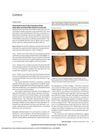
research Tofacitinib Citrate for the Treatment of Nail Dystrophy Associated With Alopecia Universalis
Tofacitinib citrate improved nail dystrophy and pain in patients with alopecia universalis without causing side effects.
research Consensus Document on the Clinical Management of Alopecia Areata: Recommendations from the Spanish Hair Research Group of the Spanish Academy of Dermatology and Venerology)
JAK inhibitors are recommended for severe alopecia areata if corticosteroids fail.
research Alopecia universalis with IL-12-RB1 and STAT4 mutations effectively treated with upadacitinib
Upadacitinib successfully regrew hair in a child with alopecia universalis and specific genetic mutations.

research Meetings and Studies: Review of the Joint 3rd Asian & 5th Indian Associations of Hair Restoration Meeting—HAIRCON 2013
Unable to provide a summary as the document content is not provided.