May 2023 in “Jurnal Penelitian Farmasi & Herbal” Cucumber hair tonic formulations are stable and may help with hair loss.
 January 2025 in “Journal of Cutaneous Immunology and Allergy”
 Baricitinib is effective for treating severe alopecia areata in Japanese patients, but long-term safety needs more study.
 39 citations
,
April 2016 in “Case Reports in Dermatology”
39 citations
,
April 2016 in “Case Reports in Dermatology” Tofacitinib temporarily regrew hair in a man with alopecia, but its effects didn't last.
6 citations
,
November 2020 in “JAAD Case Reports” Tofacitinib may help treat both alopecia areata and inflammatory bowel disease.
 13 citations
,
November 2021 in “Pediatric Dermatology”
13 citations
,
November 2021 in “Pediatric Dermatology” Tofacitinib taken by mouth helps treat hair loss in children.
7 citations
,
July 2019 in “Asian Journal of Oncology” Guduchi and Yashtimadhu can reduce chemotherapy side effects.
 March 2026 in “International Journal of Pharmaceutics and Drug Analysis”
 Jackfruit seed extract can be used to make an effective natural anti-dandruff shampoo.
December 2025 in “Journal of Human Immunity” JAK inhibitors may help improve symptoms in adults with APECED.
 July 2024 in “International Journal of Pharmaceutical Sciences and Medicine”
 Nyctanthes arbor-tristis is effective for treating many health issues.
December 2025 in “UTTAR PRADESH JOURNAL OF ZOOLOGY” Selamectin works faster, but Aloe vera and coconut oil are cheaper and eco-friendly for treating cat mange.
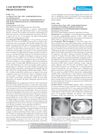 May 2025 in “The Journal of Rheumatology”
 Catatonia can be a rare sign of lupus, needing careful diagnosis and treatment.
 3 citations
,
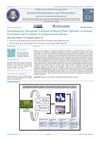
May 2024 in “Journal of Drug Delivery and Therapeutics”
3 citations
,
May 2024 in “Journal of Drug Delivery and Therapeutics” Aftimoon has potential health benefits for various diseases and could be integrated into modern healthcare.
 May 2026 in “SKIN The Journal of Cutaneous Medicine”
 Baricitinib may cause low blood sugar in some patients, so careful monitoring is needed.
 April 2016 in “Journal of the American Academy of Dermatology”
 Tofacitinib helped a person with total body hair loss grow hair again without bad side effects.
 November 2020 in “Journal of The American Academy of Dermatology”
 Oral JAK inhibitors help regrow hair in alopecia patients.
June 2025 in “British Journal of Dermatology” Dual-targeting therapies like Janus kinase inhibitors may treat both alopecia areata and other immune diseases.
 December 2025 in “International Journal For Multidisciplinary Research”
 Muridae species have unique hair patterns specific to each genus and species.
 April 2025 in “Vestnik dermatologii i venerologii”
 JAK inhibitors like tofacitinib are effective and safer for severe alopecia areata than glucocorticosteroids.
 September 2025 in “Indian Journal of Child Health”
 Satoyoshi Syndrome is hard to diagnose and treat due to its rarity and complex symptoms.
6 citations
,
September 2017 in “Journal of Ayurvedic and Herbal Medicine” Ayurvedic treatment effectively managed hair loss from alopecia areata without side effects.
 1 citations
,
January 2023 in “Cutis”
1 citations
,
January 2023 in “Cutis” The paper concludes that the new medication baricitinib needs further testing in a more diverse group of patients with alopecia areata.
91 citations
,
July 2004 in “Journal of Biological Chemistry” Overexpressing SSAT enzyme reduces prostate tumor growth in mice.
Ayurveda-based care improved quality of life for breast cancer patients without serious side effects.
 February 2024 in “Journal of ayurveda and integrated medical sciences”
 Ayurvedic medicine helped increase a young woman's hemoglobin levels and improved her anemia symptoms.

JAK inhibitors effectively regrow hair in children with alopecia areata and are safe to use.
 May 2025 in “International Research Journal of Ayurveda & Yoga”
 Carica papaya latex gel may reduce hair fall and promote regrowth in patchy hair loss.
 3 citations
,
February 2014 in “The Journal of Korean Medicine Ophthalmology and Otolaryngology and Dermatology”
3 citations
,
February 2014 in “The Journal of Korean Medicine Ophthalmology and Otolaryngology and Dermatology” Herbal medicine and acupuncture helped regrow hair and reduce pain in a patient with Alopecia Areata.
 July 2025 in “Journal of Cosmetic Dermatology”
 Alternative treatments are needed when Tofacitinib alone fails for alopecia areata.
 49 citations
,
March 2017 in “Journal of the American Academy of Dermatology”
49 citations
,
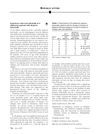
March 2017 in “Journal of the American Academy of Dermatology” Tofacitinib caused significant hair regrowth in adolescents with alopecia universalis who didn't respond to other treatments.