 5 citations
,
November 2017 in “Asian Journal of Beauty and Cosmetology”
5 citations
,
November 2017 in “Asian Journal of Beauty and Cosmetology” Sinapic acid may protect skin cells from UV damage and reduce inflammation, making it a promising anti-aging cosmetic ingredient.
 August 2023 in “International journal of research in dermatology”
 Janus kinase inhibitors are effective and generally safe for treating hair loss in adults with alopecia areata.
 4 citations
,
January 2023 in “Skin health and disease”
4 citations
,
January 2023 in “Skin health and disease” Blocking Janus kinase 1 helps stop inflammation and regrow hair, making it a good treatment for hair loss from alopecia areata.
 July 2024 in “International Journal of Pharmaceutical Sciences and Medicine”
 Nyctanthes arbor-tristis is effective for treating many health issues.
 April 2019 in “International research journal of pharmacy”
 Adiantum capillus extract reduces pain and swelling in animals.
128 citations
,
December 2006 in “Journal of Biological Chemistry” Altering SSAT affects fat metabolism and body fat in mice.
June 2025 in “British Journal of Dermatology” JAK inhibitors help regrow hair in alopecia areata, but their long-term safety is still unclear.
191 citations
,
November 2007 in “Journal of Biological Chemistry” Very-long-chain acyl-CoA synthetases and fatty acid transport proteins play key roles in fatty acid metabolism and lipid processing in different tissues.
 April 2025 in “International Journal of Ayurvedic Medicine”
 Semecarpus anacardium Linn. may have health benefits, but more research is needed to confirm its safety and effectiveness.
 May 2023 in “International Journal of Trichology”
 Tofacitinib may be an effective and safe treatment for hair loss in teenagers with alopecia areata.
 6 citations
,
May 2023 in “Drugs”
6 citations
,
May 2023 in “Drugs” Baricitinib helps regrow hair in adults with severe alopecia better than a placebo and is approved for treatment, but long-term effects are still unknown.
1 citations
,
May 2026 in “Journal of Dermatological Treatment” JAK1 inhibitor may effectively treat alopecia areata when TNF-α inhibitors and corticosteroids fail.
 May 2025 in “Frontiers in Pharmacology”
 Targeting gut microbiome and metabolome may help treat autoimmune skin diseases like alopecia areata.
 April 2025 in “Frontiers in Immunology”
 Tofacitinib effectively regrows hair in alopecia areata but may need continuous use.
11 citations
,
December 2017 in “Orphanet Journal of Rare Diseases” A new mutation in the ST14 gene broadens the understanding of ichthyosis-hypotrichosis syndrome.
 24 citations
,
June 2016 in “Acta dermato-venereologica”
24 citations
,
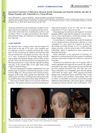
June 2016 in “Acta dermato-venereologica” Tofacitinib helped a young woman's severe hair loss and arthritis but not her plaque psoriasis.
3 citations
,
May 2018 in “Psychiatry and Clinical Psychopharmacology” N-acetylcysteine may help treat trichotillomania.
 January 2024 in “Genetics in Medicine Open”
 Adults with Tatton-Brown-Rahman syndrome may have serious heart problems and need lifelong heart monitoring.
 40 citations
,
September 2018 in “Journal of the American Academy of Dermatology”
40 citations
,
September 2018 in “Journal of the American Academy of Dermatology” Tofacitinib helped some young children with severe hair loss grow their hair back without bad side effects.
2 citations
,
December 2024 in “eLife” JAK inhibition reduces autoimmune issues in Down syndrome.
 April 2017 in “Journal of Investigative Dermatology”
 A boy with Oculodentodigital syndrome had a unique GJA1 gene mutation causing his symptoms.
June 2025 in “Revista Foco” JAK inhibitors effectively treat severe alopecia areata with manageable side effects.
48 citations
,
June 2000 in “Japanese Journal of Cancer Research” Dimethylarsinic acid speeds up skin tumor growth in certain mice.
 20 citations
,
March 2023 in “American Journal of Clinical Dermatology”
20 citations
,
March 2023 in “American Journal of Clinical Dermatology” Baricitinib improved severe hair loss in adults over 52 weeks and was safe to use.
 3 citations
,
January 2011 in “Journal of biologically active products from nature”
3 citations
,
January 2011 in “Journal of biologically active products from nature” The F1 herbal mixture grew hair well and could treat hair loss without the side effects of common treatments.
 December 2025 in “International Journal of Research in Dermatology”
 The Ayurvedic treatment safely and effectively restores natural hair color by increasing black hair and reducing grey hair.
The herbal hair dye using Platycladus orientalis effectively prevents hair loss, covers gray, and is gentle and safe for all ages.
 February 2021 in “PDEAS International Journal of Research in Ayurved and Allied Sciences”
 Ayurvedic hair treatments need scientific research to validate their effectiveness.
November 2017 in “International Journal of Biomedical and Advance Research - International Journal of Biomedical and Advance Research” Guazuma tomentosa is effective against many health issues.