5 citations
,
April 2022 in “Cell Biology International” JAM-A modification speeds up skin wound healing by boosting fibroblast growth.
September 2025 in “Journal of Skin and Stem Cell” Baricitinib shows promise for treating various skin conditions beyond alopecia areata.
 January 2025 in “International Journal of Pharmaceutical Research and Applications”
 Hibiscus mucilage is an effective gelling agent for diclofenac diethylamine gel.

Patients and doctors often agree on the severity of eyebrow and eyelash hair loss in severe alopecia areata.
June 2020 in “Dermatologic therapy” Using Janus kinase inhibitors (JAKi) in COVID-19 treatment requires careful consideration due to their immunosuppressive effects.
 September 2025 in “International Journal for Research in Applied Science and Engineering Technology”
 Guava leaf extracts are beneficial for skin, hair, and oral care.
 April 2018 in “Journal of Investigative Dermatology”
 CENPV, a new partner of CYLD, helps regulate ciliary acetylated tubulin and is overexpressed in certain skin tumors.
December 2025 in “PubMed” Baricitinib is effective and safe for treating severe alopecia areata.
 November 2024 in “Journal of Cosmetic Dermatology”
 Baricitinib is effective for severe alopecia areata but has some side effects.
 May 2025 in “Frontiers in Bioinformatics”
 Jamogenin from plants may help hair growth and is a potential alternative to finasteride.
August 2022 in “Precision Clinical Medicine” JAM-A helps hair regrowth in alopecia areata by protecting VCAN in skin cells.
June 2024 in “Institutional Repository of the Federal Technological University of Paraná (RIUT) (Federal University of Technology – Paraná)” Mapu Cosméticos is profitable and viable, focusing on male hair care products.
May 2018 in “Dermatologic Surgery”  August 2025 in “International Journal of Research Publication and Reviews”
 Quasi-drugs in Japan and South Korea are regulated to ensure safety and effectiveness, offering products with mild therapeutic effects.
80 citations
,
June 1997 in “The American Journal of Human Genetics”  November 2025 in “Mendeley Data”
 JAK inhibitors can be safely used in alopecia areata patients with latent hepatitis B or tuberculosis, with proper monitoring.
 October 2023 in “Frontiers in Medicine”
 Dupilumab helped a 4-year-old grow hair back after another treatment failed.
April 2016 in “Pharmaciana” A combination of Aloe vera and liquorice extracts promotes significant hair growth.
 January 2025 in “Acta Dermatovenerologica Alpina Pannonica et Adriatica”
 Baricitinib is effective and safe for treating severe alopecia areata.
 11 citations
,
November 2019 in “Clinical Case Reports”
11 citations
,
November 2019 in “Clinical Case Reports” A Brazilian teenager with severe hair loss had total hair regrowth with no side effects after using tofacitinib.
 July 2025 in “SKIN The Journal of Cutaneous Medicine”
 Adding dupilumab led to almost complete hair regrowth in a patient with alopecia areata who only partially responded to baricitinib.
34 citations
,
December 2022 in “Biomedical Technology” Janus membranes could greatly improve medical treatments like wound healing and bone regeneration.
 October 2025 in “JEADV Clinical Practice”
 The name Janus is fitting for JAK inhibitors as they revolutionize dermatology treatments.
 6 citations
,
February 2023 in “Journal of the American Academy of Dermatology”
6 citations
,
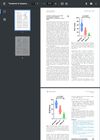
February 2023 in “Journal of the American Academy of Dermatology” Upadacitinib improved hair regrowth and quality of life in alopecia areata patients with minimal side effects.
June 2025 in “British Journal of Dermatology” Ruxolitinib helped a woman with a genetic mutation regrow her hair and improved her health.
 June 2026 in “Saudi Medical Horizons Journal”
 JAK inhibitors show promise in treating skin conditions like eczema, hair loss, and vitiligo but need more safety research.
 5 citations
,
November 2017 in “Asian journal of pharmaceutical and clinical research”
5 citations
,
November 2017 in “Asian journal of pharmaceutical and clinical research” Pakis Gajah (Angiopteris evecta) water extract may promote hair growth in rabbits, but more research is needed for human use.

The patch effectively promotes hair growth for alopecia areata without pain.