12 citations
,
November 2023 in “Skin Appendage Disorders” JAK inhibitors might help treat Lichen Planopilaris, but more research is needed.
 July 2019 in “Journal of Aesthetic Nursing”
 The JCCP's Premises Standards aim to make non-surgical cosmetic treatments safer and higher quality.
4 citations
,
October 2018 in “JAMA Dermatology” Ruxolitinib may help treat hair loss and symptoms in patients with chronic graft-versus-host disease.
Mutations in the hairless protein gene cause hair loss.
November 2020 in “Zenodo (CERN European Organization for Nuclear Research)” July 2025 in “Journal of Investigative Dermatology” Tissue-engineered skin substitutes can model junctional epidermolysis bullosa and may help develop gene therapy.
September 2025 in “Chinese Journal of Chromatography” A new method accurately detects illegal JAK inhibitors in hair loss cosmetics.
 May 2025 in “The Journal of Rheumatology”
 The project highlights the importance of early diagnosis and patient advocacy in managing Systemic Lupus Erythematosus.
 11 citations
,
April 2015 in “EBioMedicine”
11 citations
,
April 2015 in “EBioMedicine” JAK inhibitors may help treat Alopecia Areata but need careful monitoring due to side effects.
Patients with alopecia areata using Janus kinase inhibitors are not following lab monitoring guidelines.
January 2026 in “Clinical and Experimental Dermatology” Ruxolitinib helped a patient with alopecia areata regrow hair.
 70 citations
,
October 2020 in “The journal of allergy and clinical immunology/Journal of allergy and clinical immunology/The journal of allergy and clinical immunology”
70 citations
,
October 2020 in “The journal of allergy and clinical immunology/Journal of allergy and clinical immunology/The journal of allergy and clinical immunology” Janus kinase inhibitors are promising drugs for treating autoimmune and inflammatory diseases.
4 citations
,
January 2025 in “JAAD reviews.” Janus kinase inhibitors are promising for treating scarring alopecia, but more research is needed for safety and personalized treatments.
July 2022 in “Zenodo (CERN European Organization for Nuclear Research)”  January 2021 in “Anais do Congresso Brasileiro de Reumatologia 2020”
 Tofacitinib improved arthritis and partially improved hair loss in a lupus patient without side effects.
 14 citations
,
January 2020 in “Mediterranean Journal of Rheumatology”
14 citations
,
January 2020 in “Mediterranean Journal of Rheumatology” New JAK inhibitor drugs show promise for treating skin diseases but need more research on safety and effectiveness.
August 2025 in “Australasian Journal of Dermatology” Experts created guidelines for who in Australia can get subsidized JAK inhibitor therapy for alopecia areata.
May 2018 in “Dermatologic Surgery” November 2005 in “The Journal of Urology” 1 citations
,
December 2023 in “Journal of the European Academy of Dermatology and Venereology” 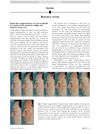 157 citations
,
December 2015 in “Journal of the American Academy of Dermatology”
157 citations
,
December 2015 in “Journal of the American Academy of Dermatology” A man with vitiligo and alopecia saw quick skin and hair improvement with ruxolitinib, but skin color gains were lost after stopping treatment.
July 1996 in “British Journal of Dermatology” July 2024 in “Journal of Investigative Dermatology” 16 citations
,
April 2006 in “Pediatrics International” High-dose mizoribine effectively controls symptoms in adolescents with lupus while reducing steroid use, with manageable side effects.

Deuruxolitinib is approved to treat severe alopecia areata in adults.
 August 2024 in “Clinical Cosmetic and Investigational Dermatology”
 Upadacitinib and narrowband UVB effectively treated a child's vitiligo and alopecia areata.
 9 citations
,
August 2014 in “Journal of The Korean Society of Food Science and Nutrition”
9 citations
,
August 2014 in “Journal of The Korean Society of Food Science and Nutrition” Fermented Zizyphus jujuba helps protect against free radicals and promotes hair growth.
 40 citations
,
December 2016 in “Journal of Dermatological Treatment”
40 citations
,
December 2016 in “Journal of Dermatological Treatment” JAK inhibitors show promise for treating skin and hair disorders but need more research on long-term safety and effectiveness.