 November 2022 in “Journal of Investigative Dermatology”
 KX-826 is safe and effectively increases hair count in men with hair loss.
 144 citations
,
March 2013 in “Circulation Research”
144 citations
,
March 2013 in “Circulation Research” K_ATP channel gene mutations are linked to heart diseases, but more research is needed to understand the connection and treatment potential.
3 citations
,
December 2013 in “Journal of Cell Science” Keratin 79 cells help form and regenerate hair canals.
18 citations
,
January 2015 in “Experimental Dermatology” New mutations in KRT83 and KRT86 are linked to the hair disorder monilethrix.
The study concludes that Twenty-nail dystrophy is more common in boys among children and in women among adults, with varying response to treatment.
 October 2025 in “Zenodo (CERN European Organization for Nuclear Research)”
 Focus on general hair care and lifestyle changes.
19 citations
,
April 1999 in “British Journal of Dermatology” Keratin 2e shows a unique pattern in developing fetal skin, different from other keratins.
 February 2020 in “Definitions”
 KRT72 gene helps form hair.
13 citations
,
August 2018 in “Life sciences” Kang-ai injection with platinum-based chemotherapy improves tumor response and immune function while reducing side effects in advanced lung cancer.
July 2024 in “Journal of Investigative Dermatology” DS-2325a is safe and well-tolerated, supporting further development for Netherton Syndrome treatment.
2 citations
,
May 2024 in “BMC Genomics” Certain genetic changes in the KRT82 gene may cause patchy skin in New Zealand rabbits.
 86 citations
,
May 2005 in “Seminars in Arthritis and Rheumatism”
86 citations
,
May 2005 in “Seminars in Arthritis and Rheumatism” Kawasaki Disease is rare and often missed in adults, who show different symptoms than children, and may benefit from early treatment.
92 citations
,
April 1999 in “The journal of investigative dermatology/Journal of investigative dermatology” Nonpalmoplantar skin cells can be made to express keratin 9 by interacting with palmoplantar fibroblasts.
4 citations
,
December 2024 in “Protein & Cell” MultiKano accurately identifies cell types in complex data better than existing methods.
 1 citations
,
January 2023 in “Biochemical and biophysical research communications”
1 citations
,
January 2023 in “Biochemical and biophysical research communications” Keratin 79 is linked to liver damage and may help diagnose liver diseases.
November 2013 in “Faculty Opinions – Post-Publication Peer Review of the Biomedical Literature” Keratin 79 cells help form and regenerate hair canals.
 October 2024 in “Journal of Plant Growth Regulation”
 Fusarium sp. strain K-23 helps Arabidopsis plants grow better in salty soil by promoting root hair growth.
51 citations
,
December 2006 in “Mammalian Genome” 38 citations
,
October 2001 in “British Journal of Dermatology” Keratin K6irs is a marker for the inner root sheath of hair follicles in mice and humans.
 75 citations
,
October 2010 in “Mammalian genome”
75 citations
,
October 2010 in “Mammalian genome” Sphynx cats are hairless and Devon Rex cats have curly hair due to specific genetic mutations.
 42 citations
,
October 2009 in “The journal of investigative dermatology/Journal of investigative dermatology”
42 citations
,
October 2009 in “The journal of investigative dermatology/Journal of investigative dermatology” Mutations in the KRT85 gene cause hair and nail problems.
15 citations
,
June 2012 in “British Journal of Dermatology” A new mutation in the KRT86 gene causes a hair disorder with variable expression.
 January 2020 in “Indian Journal of Pharmaceutical Sciences”
 Kuntai capsules combined with nilestriol tablets effectively reduce perimenopausal symptoms and improve hormone levels.
3 citations
,
July 2024 in “Urology Annals” Younger Klinefelter Syndrome patients have a better chance of successful sperm extraction.

Variant G of the KRTAP20-1 gene improves wool curliness in Chinese Tan sheep.
101 citations
,
August 2001 in “The Journal of Cell Biology” A new keratin 6 type in mice explains why some mice without certain keratin genes still have normal hair and nails.
5 citations
,
March 2017 in “Gene” CAP1 decreases the expression of a hair-related protein in young Tan sheep's skin.
 4 citations
,
December 2013 in “The Journal of Dermatology”
4 citations
,
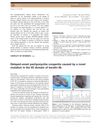
December 2013 in “The Journal of Dermatology” A new mutation in the K6b gene caused a girl's late-appearing nail condition.
 7 citations
,
September 2011 in “International Journal of Dermatology”
7 citations
,
September 2011 in “International Journal of Dermatology” The Korean study found that twenty-nail dystrophy mainly affects adults, more often women, and has five distinct types with different clinical progressions.
January 2026 in “Cytokine”