 February 2026 in “Indian Journal of Dermatology”
 Upadacitinib may effectively treat twenty-nail dystrophy without causing pain.
505 citations
,
October 2011 in “Journal of clinical oncology” MK-2206 was safe and effectively blocked AKT signaling in cancer patients, warranting more trials.
 April 2023 in “Journal of Investigative Dermatology”
 Krox20 (Egr2) is important for the function of epithelial stem cells.
 April 2007 in “Nature Clinical Practice Urology”
 TICE salvage chemotherapy is effective for treating germ-cell tumors with poor prognosis.
11 citations
,
March 2024 in “Current Issues in Molecular Biology” Ginsenoside compound K shows promise for treating metabolic diseases like diabetes and obesity.
2 citations
,
August 2022 in “Animals” Different versions of the KRTAP6-2 gene in goats can lead to thinner cashmere fibers.
 November 2024 in “TẠP CHÍ KHOA HỌC TRƯỜNG ĐẠI HỌC QUỐC TẾ HỒNG BÀNG”
 Nepenthes kampotiana has unique plant features and contains various beneficial compounds.
8 citations
,
July 1983 in “Veterinary Quarterly” Ketoconazole effectively treats skin fungus in cats and dogs with minimal side effects.
April 2025 in “Archives of Dermatological Research” H19 may help prevent hair loss by keeping hair cells young.
34 citations
,
September 2010 in “Clinical and Experimental Dermatology” A new gene mutation linked to KID syndrome was found, expanding genetic knowledge.
KY19382 helps to regrow hair and create new hair follicles.
January 2014 in “China Animal Husbandry & Veterinary Medicine” The KAP8-1 gene affects skin, hair follicle development, and wool quality in different sheep varieties.
Kalya Research is an AI tool that effectively finds and analyzes alternative medicine literature, saving researchers time.
9 citations
,
June 2014 in “Molecular biology reports” KAP9.2 and Hoxc13 genes are important for cashmere growth and vary in activity during different stages.
 4 citations
,
November 2016 in “International Society of Hair Restoration Surgery”
4 citations
,
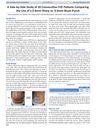
November 2016 in “International Society of Hair Restoration Surgery” Both punch types are effective, but they differ in transection rates and ease of use.
100 citations
,
December 2002 in “Journal of biological chemistry/The Journal of biological chemistry” Researchers mapped and categorized specific keratin-associated protein genes on human chromosome 21q22.1.
12 citations
,
March 2004 in “Journal of Investigative Dermatology”  October 2025 in “Zenodo (CERN European Organization for Nuclear Research)”
 Ritlecitinib may help young adults with severe alopecia areata when ketoconazole fails.
March 2021 in “Research Square (Research Square)” Ketoconazole's structure and dynamics are linked, aiding antifungal drug development.
 July 2022 in “International Journal of Trichology”
 Tofacitinib helped an 8-year-old child recover from a type of hair loss that is hard to treat.
January 2019 in “대한피부과학회지” Kerion cases had longer disease duration but responded well to antifungal treatments.
141 citations
,
February 1988 in “Molecular and Cellular Biology” Only one K16 gene on chromosome 17 makes a functional keratin protein.
 38 citations
,
September 2006 in “Journal of Dermatological Science”
38 citations
,
September 2006 in “Journal of Dermatological Science” Ketoconazole lotion can improve hair regrowth for some people with androgenetic alopecia.
 October 2025 in “Zenodo (CERN European Organization for Nuclear Research)”
 Ritlecitinib may help young adults with severe alopecia areata when ketoconazole doesn't work.
 126 citations
,
October 2012 in “PLoS ONE”
126 citations
,
October 2012 in “PLoS ONE” Reduced cytokinin levels help plants adapt to low potassium by increasing root hair growth and potassium uptake.
January 2002 in “Academic Journal of Kunming Medical College” Human-hair keratin artificial tendons are biocompatible and degrade well in rabbits.
 40 citations
,
January 2017 in “Intestinal Research”
40 citations
,
January 2017 in “Intestinal Research” Genotyping for NUDT15 p.Arg139Cys can help predict thiopurine side effects in Japanese IBD patients.
Fusarium sp. strain K–23 helps Arabidopsis plants grow better in salty soil by boosting root hair growth.
37 citations
,
November 2007 in “Journal of Biological Chemistry” Ku80 is a key receptor for Thymosin β4, affecting cell migration and wound healing.
148 citations
,
May 2012 in “The American Journal of Human Genetics” Cantú syndrome is caused by mutations in the ABCC9 gene.