23 citations
,
October 2024 in “British Journal of Dermatology” Ritlecitinib effectively treats alopecia areata and is safe for long-term use in people 12 and older.
16 citations
,
July 1994 in “Journal of Dermatological Science” Minoxidil sulfate and pinacidil may promote hair growth through increased blood flow, not by activating potassium channels.
24 citations
,
July 2021 in “Pharmaceutics” Ruxolitinib cream effectively targets and treats inflammatory skin diseases.
 5 citations
,
December 2018 in “Biological & Pharmaceutical Bulletin”
5 citations
,
December 2018 in “Biological & Pharmaceutical Bulletin” Norgalanthamine helps hair cells grow by activating certain pathways related to hair growth.
 1 citations
,
February 2021 in “Farmacja Polska”
1 citations
,
February 2021 in “Farmacja Polska” Janus kinase inhibitors show promise in treating autoimmune skin diseases.
 1 citations
,
April 2021 in “Journal of Investigative Dermatology”
1 citations
,
April 2021 in “Journal of Investigative Dermatology” The ingredients could help prevent hair loss by promoting hair growth and increasing VEGF secretion.
7 citations
,
August 2024 in “Clinical and Experimental Dermatology” Upadacitinib is effective and safe for treating severe alopecia areata in teens.
 168 citations
,
December 1986 in “Cancer Chemotherapy and Pharmacology”
168 citations
,
December 1986 in “Cancer Chemotherapy and Pharmacology” Epirubicin is as effective as doxorubicin for cancer treatment with less heart damage, but doesn't work on doxorubicin-resistant cancers.
March 2017 in “Current dermatology reports” Topical JAK inhibitors can effectively treat alopecia areata and vitiligo by modulating immune responses.
October 2024 in “JURNAL ILMU KEFARMASIAN INDONESIA” The extracts may help hair growth.
July 2024 in “Journal of Investigative Dermatology” JAK inhibitors improve hair growth in alopecia areata, especially in patchy types.
 March 2014 in “Journal of The American Academy of Dermatology”
 Cortexolone 17a-propionate may be an effective new treatment for hair loss.
March 2026 in “Pharmaceutical Biology” Asiaticoside can improve wound healing after ESD by promoting tissue repair and reducing inflammation.
 125 citations
,
May 2019 in “Phytomedicine”
125 citations
,
May 2019 in “Phytomedicine” Cepharanthine is a well-tolerated drug with multiple medical uses, including anti-inflammatory and anti-cancer properties.
 1 citations
,
August 2022 in “JAAD case reports”
1 citations
,
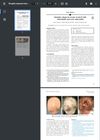
August 2022 in “JAAD case reports” Tofacitinib and oral minoxidil may help treat Sisaipho alopecia areata.
19 citations
,
August 2019 in “Dermatologic therapy” Janus kinase inhibitors show promise for treating alopecia areata but need more research for confirmation.
53 citations
,
August 2005 in “The Journal of Cell Biology” Sgk3 is essential for normal hair follicle growth and maintenance.
14 citations
,
August 2014 in “The FASEB Journal” CAP1/Prss8 does not activate PAR2 or inhibit PN-1.
2 citations
,
March 2026 in “Journal of Dermatological Treatment” JAK inhibitors for alopecia areata have different safety risks, requiring specific monitoring for each drug.
 8 citations
,
May 2017 in “Singapore Medical Journal”
8 citations
,
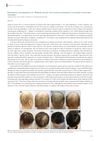
May 2017 in “Singapore Medical Journal” A Korean woman with complete hair loss regrew her hair after taking tofacitinib, with no side effects.
January 2013 in “Shiyong yixue zazhi” Astraglus polysaccharide may help hair growth by boosting follicle stem cell activity.
October 2025 in “Frontiers in Medicine” Ixekizumab has known and some unexpected side effects.
 5 citations
,
June 2019 in “British Journal of Dermatology”
5 citations
,
June 2019 in “British Journal of Dermatology” Tofacitinib was more effective than apremilast in treating hair loss in a mouse model of alopecia areata.
15 citations
,
June 2020 in “Processes” CMX from Centipeda minima can significantly improve hair growth in mild to moderate balding.
11 citations
,
February 2022 in “JAAD case reports” Abrocitinib, a JAK inhibitor, may help treat atopic dermatitis and alopecia universalis together.
 January 2025 in “American Journal of Translational Research”
 Erianin may effectively treat alopecia areata by targeting the immune system.
28 citations
,
March 2018 in “Scientia Horticulturae” Auxin controls root-hair growth in citrus by affecting its signaling pathway.
 April 2023 in “Revista colombiana de reumatología”
 JAK inhibitors like tofacitinib can effectively treat severe alopecia areata.
3 citations
,
July 2025 in “British Journal of Dermatology” Cinainu is effective and safe for treating children's alopecia areata.
 June 2025 in “Journal of Education Health and Sport”
 Oral JAK inhibitors show promise for treating alopecia areata but have challenges like relapse and side effects.