 63 citations
,
April 2018 in “Journal of the American Academy of Dermatology”
63 citations
,
April 2018 in “Journal of the American Academy of Dermatology” Topical JAK inhibitors may help treat some skin conditions but need more research.
 April 2024 in “Frontiers in pharmacology”
 Brepocitinib 30mg is most effective for moderate-to-severe alopecia areata, but ritlecitinib 50mg may offer a better balance of safety and effectiveness.
 2 citations
,
January 2023 in “Prague Medical Report”
2 citations
,
January 2023 in “Prague Medical Report” JAK inhibitors, like baricitinib, are effective and safe for treating alopecia areata.
2 citations
,
September 2023 in “Journal of the American Academy of Dermatology” CTP-543 effectively promotes hair regrowth in adults with moderate to severe alopecia areata.
 January 2024 in “Journal of Applied Pharmaceutical Science”
 Procyanidin B2 and leucopelargonidin from Saraca asoca may help treat PCOS by balancing hormones.
 April 2023 in “Cancer research”
 KRTAP2-3 could help predict cancer recurrence by identifying specific cancer cells.
 12 citations
,
February 2010 in “Tetrahedron Letters”
12 citations
,
February 2010 in “Tetrahedron Letters” New minoxidil compounds with better water solubility were made, but their full effects and safety need more research.
 37 citations
,
September 2018 in “Journal of the American Academy of Dermatology”
37 citations
,
September 2018 in “Journal of the American Academy of Dermatology” Ruxolitinib can help regrow hair in severe alopecia areata.
 223 citations
,
September 2018 in “Rheumatology”
223 citations
,
September 2018 in “Rheumatology” JAK inhibitors are effective in treating various immune-related diseases, not just rheumatoid arthritis.
January 2023 in “Rasayan journal of chemistry/Rasayan journal of Chemistry” Methyl pyropheophorbide A from Sansevieria trifasciata leaves may help treat hair loss.
Avicennia Marina extract and avicequinone C can reduce hair loss hormone production and increase hair growth factors, suggesting they could be used to treat androgenic alopecia.
4 citations
,
January 2020 in “PubMed” JAK inhibitors may become the first approved treatment for alopecia areata if they are proven safe and effective.
 1 citations
,
November 2021 in “Jurnal Farmasi Indonesia”
1 citations
,
November 2021 in “Jurnal Farmasi Indonesia” Secang wood extract hair tonic promotes hair growth and meets quality standards.
 1 citations
,
July 2019 in “Medicina Clínica (English Edition)”
1 citations
,
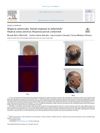
July 2019 in “Medicina Clínica (English Edition)” Tofacitinib partially improved hair regrowth in a patient with severe hair loss.
 February 2025 in “Natural Product Communications”
 Aloe vera, Centella asiatica, Green Tea, and Pueraria mirifica extracts together boost hair growth by enhancing stem cell properties.
25 citations
,
August 2015 in “Molecules” Mimosine dipeptides are promising for treating hyperpigmentation and inflammation.
63 citations
,
July 2018 in “The journal of investigative dermatology/Journal of investigative dermatology” JAK inhibitors can effectively reverse hair loss in people with alopecia areata.
 June 2017 in “Journal of the American Academy of Dermatology”
 Tofacitinib is effective and safe for treating severe alopecia areata and related conditions.
 20 citations
,
March 2023 in “American Journal of Clinical Dermatology”
20 citations
,
March 2023 in “American Journal of Clinical Dermatology” Baricitinib improved severe hair loss in adults over 52 weeks and was safe to use.
28 citations
,
September 1998 in “Journal of Investigative Dermatology” Two distinct caspases in human skin help with cell death and skin formation.
11 citations
,
March 2024 in “Current Issues in Molecular Biology” Ginsenoside compound K shows promise for treating metabolic diseases like diabetes and obesity.
September 2023 in “Journal of the American Academy of Dermatology” Ixekizumab is safe for long-term use with low rates of major heart-related events.
January 2019 in “The Pharma Innovation Journal” The best mix for a hair loss treatment cream is 10% Sophora japonica tincture and 5% Serenoa repens extract.
 3 citations
,
August 2020 in “Cutaneous and Ocular Toxicology”
3 citations
,
August 2020 in “Cutaneous and Ocular Toxicology” ATP helps prevent skin damage from vandetanib by reducing stress.
1 citations
,
October 2025 in “Journal of Allergy and Clinical Immunology” A JAK1 variant causes hair loss, skin issues, and thyroid disease, but treatment with a specific inhibitor can help.
 November 2025 in “Journal of Investigative Dermatology”
 Combination therapy, including JAK inhibitors, effectively regrows hair and reduces severity in Black children with stubborn Alopecia Areata.
 1 citations
,
May 2017 in “Journal of the American Academy of Dermatology”
1 citations
,
May 2017 in “Journal of the American Academy of Dermatology” Tofacitinib helped a teenager with severe hair loss grow hair back, but more research is needed.
41 citations
,
May 2024 in “JDDG Journal der Deutschen Dermatologischen Gesellschaft” The guideline recommends using specific drugs and surgery together for treating hidradenitis suppurativa effectively.
March 2026 in “Journal of the American Academy of Dermatology” The treatment significantly improved lymphocytic cicatricial alopecia symptoms in most patients.
September 2002 in “Research Repository (Kingston University London)” Mimicking the steroid A-ring may help create effective enzyme inhibitors for prostate disease treatment.