8 citations
,
December 2017 in “Small Ruminant Research” Variation in the TCHH gene affects wool curliness in sheep.
 January 2009 in “대한피부과학회지”
 The conclusion is that more women in their forties are getting AGA and stress is linked to AGA in both men and women.
35 citations
,
May 2011 in “Experimental Dermatology” Aging causes changes in hair follicles, leading to weaker hair growth.
8 citations
,
May 2020 in “International journal of biological macromolecules” Certain treatments can increase protein binding to natural hair but are less effective on permed hair.
11 citations
,
April 2022 in “Biophysical Journal” Disulfide bonds in keratin fibers break more easily under stress, especially when wet, affecting fiber strength.
 May 2011 in “Value in Health”
 No current patient-reported outcome measure fully meets FDA requirements for alopecia treatments.
25 citations
,
April 2019 in “Animals” KRTAP28-1 gene can help breed sheep with finer wool.
 January 2009 in “Nihon Keshouhin Gijutsushakaishi/Journal of S C C./Nihon Keshouhin Gijutsushakai kaishi”
 Curved human hair has different structures on each side, which might cause its shape and is similar to wool.
10 citations
,
November 2024 in “Animals” More research is needed to improve wool and cashmere quality through genetics.
 2 citations
,
September 2022 in “Jelenkori Társadalmi és Gazdasági Folyamatok”
2 citations
,
September 2022 in “Jelenkori Társadalmi és Gazdasági Folyamatok” Collaborative robots in industry need to meet safety and legal standards.
3 citations
,
September 2014 in “SpringerPlus” Human hair loss may have evolved to help increase brain size.
226 citations
,
January 2006 in “International review of cytology” Keratin-associated proteins are crucial for hair strength and structure.
51 citations
,
September 2012 in “Gene” The research identified a gene in sheep important for wool quality, which could help improve wool traits.
 17 citations
,
August 2018 in “BMC Genomics”
17 citations
,
August 2018 in “BMC Genomics” The HOXC13 gene affects different hair proteins in cashmere goats in varied ways and is controlled by a feedback loop and other factors.
 92 citations
,
January 2012 in “International Journal of Biological Sciences”
92 citations
,
January 2012 in “International Journal of Biological Sciences” The document introduced a new naming system for keratin-associated proteins to improve clarity and communication across species.
 62 citations
,
January 2004 in “The journal of investigative dermatology/Journal of investigative dermatology”
62 citations
,
January 2004 in “The journal of investigative dermatology/Journal of investigative dermatology” A second domain of high sulfur KAP genes on chromosome 21q23 is crucial for hair structure.
 8 citations
,
June 2012 in “PloS one”
8 citations
,
June 2012 in “PloS one” Mutations in Plcd1 and Plcd3 together cause severe hair loss in mice.

Bee pollen, green tea, essential oils, and various plant extracts improve skin and hair health.
 12 citations
,
August 2011 in “Asian-Australasian Journal of Animal Sciences”
12 citations
,
August 2011 in “Asian-Australasian Journal of Animal Sciences” KAP8.1 gene variations affect cashmere weight in Inner Mongolian goats.
5 citations
,
April 2022 in “Genes” miR-129-5p affects hair growth by targeting the HOXC13 gene.
98 citations
,
May 2016 in “Genes” Understanding wool keratin-associated proteins in sheep can help improve wool quality through selective breeding.
 2 citations
,
January 2015 in “Sen'i Gakkaishi”
2 citations
,
January 2015 in “Sen'i Gakkaishi” Washing permed hair after using thioglycolic acid helps reform strong bonds, making hair stronger.
 June 2017 in “University of the Arts London Research Online (University of the Arts London)”
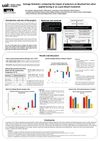
 Polymers help reduce damage and improve bleached hair when used during or after bleaching.
 1 citations
,
February 2009 in “Journal of Investigative Dermatology”
1 citations
,
February 2009 in “Journal of Investigative Dermatology” VEGF helps squamous cell carcinoma grow in ways beyond just blood vessel formation.
 March 2014 in “Dermatologic Clinics”
 More research, better treatments, and public education are needed for dermatological conditions in people of African descent.

Human hair keratins can be turned into useful 3D biomedical scaffolds through a freeze-thaw process.
 20 citations
,
June 2012 in “British Journal of Dermatology”
20 citations
,
June 2012 in “British Journal of Dermatology” Bleaching hair damages protein structure, especially keratin, leading to weakened hair.
 2 citations
,
February 2016 in “Journal of sol-gel science and technology”
2 citations
,
February 2016 in “Journal of sol-gel science and technology” A small molecule can strengthen fine hair, making it more resistant and natural-feeling.
 April 2003 in “Experimental Dermatology”
 The workshop highlighted the genetic links and psychological impacts of hair loss and skin disorders.

Keratin hydrogels from human hair show promise for tissue engineering and regenerative medicine.