March 2021 in “Research Square (Research Square)” Ketoconazole's structure and dynamics are linked, aiding antifungal drug development.
11 citations
,
January 2016 in “International Journal of Biological Macromolecules” Enzymatic phosphorylation of hair keratin improves the effectiveness of hair products with cationic ingredients.
January 2014 in “China Animal Husbandry & Veterinary Medicine” The KAP8-1 gene affects skin, hair follicle development, and wool quality in different sheep varieties.
 January 2014 in “Journal of Cutaneous and Aesthetic Surgery”
 The editorial welcomes the new editor of JCAS and discusses the journal's focus on quality research, global reach, and commitment to free access.
 12 citations
,
August 2011 in “Asian-Australasian Journal of Animal Sciences”
12 citations
,
August 2011 in “Asian-Australasian Journal of Animal Sciences” KAP8.1 gene variations affect cashmere weight in Inner Mongolian goats.
3 citations
,
January 2013 in “Journal of cosmetics, dermatological sciences and applications” HAIRCARECUBE TM (HCC) helps hair products work better by getting active ingredients deeper into the hair.
86 citations
,
May 2002 in “Journal of Investigative Dermatology” A new keratin, hK6irs1, is found in all layers of the hair follicle's inner root sheath.
16 citations
,
July 1994 in “Journal of Dermatological Science” Minoxidil sulfate and pinacidil may promote hair growth through increased blood flow, not by activating potassium channels.
 11 citations
,
December 2019 in “Dermatologic Therapy”
11 citations
,
December 2019 in “Dermatologic Therapy” Ketoconazole may help regrow hair and increase follicle size, but more research needed.
 April 2023 in “The journal of investigative dermatology/Journal of investigative dermatology”
 The TRPV3 channel structure changes linked to severe itch and hyperkeratosis were identified using cryo-EM.
 113 citations
,
December 2000 in “The journal of investigative dermatology. Symposium proceedings/The Journal of investigative dermatology symposium proceedings”
113 citations
,
December 2000 in “The journal of investigative dermatology. Symposium proceedings/The Journal of investigative dermatology symposium proceedings” KGF and activin are crucial for skin healing and repair.
22 citations
,
January 1990  July 2024 in “PLANT PHYSIOLOGY”
 CIPK13 and CIPK18 genes are crucial for root hair growth in plants.
13 citations
,
June 2023 in “Frontiers in Molecular Neuroscience” Blocking the KATP channel may help treat migraines.
119 citations
,
August 2008 in “BMC Evolutionary Biology” KRTAP genes evolved early in mammals, leading to diverse hair traits.
April 2021 in “Cermin Dunia Kedokteran” Two siblings with tinea capitis improved after treatment with ketoconazole.
95 citations
,
March 2009 in “Differentiation” Gene expression in wool follicles changes with growth cycles, offering insights into wool and human hair growth.
39 citations
,
June 2023 in “Frontiers in Medicine” Calcium Hydroxylapatite may help skin regeneration and improve skin appearance.
 2 citations
,
June 2012 in “PubMed”
2 citations
,
June 2012 in “PubMed” The document concludes that central centrifugal cicatricial alopecia (CCCA) should be considered in African American men with vertex hair loss and scalp symptoms, and that prompt diagnosis and treatment can slow disease progression.
March 2026 in “Experimental Dermatology” The new model helps understand and develop treatments for genetic skin disorders like AEC.
 3 citations
,
January 2024 in “Annals of Dermatology”
3 citations
,
January 2024 in “Annals of Dermatology” The criteria help doctors diagnose and treat alopecia areata more effectively.
ETS2 is crucial in squamous cell carcinoma development and could be a therapeutic target.
29 citations
,
October 2010 in “Journal of Investigative Dermatology” Activating Kras in mouse skin causes excess skin and hair loss.
 16 citations
,
January 2013 in “Indian Journal of Dermatology, Venereology and Leprology”
16 citations
,
January 2013 in “Indian Journal of Dermatology, Venereology and Leprology” New treatments and early diagnosis methods for permanent hair loss due to scar tissue are important for managing its psychological effects.
January 2017 in “Elsevier eBooks” Congenital Adrenal Hyperplasia is mainly caused by enzyme deficiencies, leading to varying symptoms like hormone imbalances and physical changes.
February 1985 in “PubMed” November 2025 in “PLoS ONE” Nucleic acids trigger chemokine production in skin cells, affecting skin inflammation.
 January 2022 in “bioRxiv (Cold Spring Harbor Laboratory)”
 Skin lesions in Carney complex are likely caused by a specific group of skin cells that promote pigment production due to a genetic mutation.
 January 2025 in “Repository of the Academy's Library (Library of the Hungarian Academy of Sciences)”
 Nucleic acids trigger chemokine production in skin cells, affecting skin inflammation.
 June 2007 in “Journal of Investigative Dermatology”
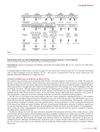
 Title change to "Central Centrifugal Cicatricial Alopecia (CCCA)"; common in African American women; hair-grooming methods may contribute; no effective therapy found; trials needed.