 18 citations
,
October 2021 in “Frontiers in Physiology”
18 citations
,
October 2021 in “Frontiers in Physiology” Lipocalin-Type Prostaglandin D2 Synthase (L-PGDS) is a protein that plays many roles in the body, including sleep regulation, pain management, food intake, and protection against harmful substances. It also affects fat metabolism, glucose intolerance, cell maturation, and is involved in various diseases like diabetes, cancer, and arthritis. It can influence sex organ development and embryonic cell differentiation, and its levels can be used as a diagnostic marker for certain conditions.
1 citations
,
January 1999 in “Dermatology” 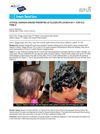 May 2021 in “Journal of the American College of Cardiology”
 An 11-year-old girl with Kawasaki disease experienced hair loss that improved after treatment.
 September 2024 in “Cermin Dunia Kedokteran”
 Fahr syndrome causes brain calcification and is managed by treating symptoms and underlying issues.
4 citations
,
August 2021 in “Pediatrics in review” DSDs are birth conditions causing unusual sex development, managed with personalized care and sometimes surgery, but still lack a standard treatment approach.
Alopecia universalis may be linked to Down syndrome due to genes on chromosome 21.
2 citations
,
October 2011 Majoon Ushba and Marham Gulabi effectively treat dermatophytosis.
2 citations
,
September 2023 in “Journal of the American Academy of Dermatology” CTP-543 effectively promotes hair regrowth in adults with moderate to severe alopecia areata.
152 citations
,
April 2002 in “The journal of investigative dermatology/Journal of investigative dermatology” A new mutation in the Connexin 26 gene was found in a patient with KID syndrome, expanding the known disorders linked to this gene.
 1 citations
,
July 2015 in “British Journal of Dermatology”
1 citations
,
July 2015 in “British Journal of Dermatology” Imiquimod improved skin pigmentation in most patients with xeroderma pigmentosum and may prevent further skin cancer, but some treatments can have side effects.
November 2024 in “Journal of Investigative Dermatology”  9 citations
,
July 2022 in “Dermatology and Therapy”
9 citations
,
July 2022 in “Dermatology and Therapy” The laser treatment effectively and safely improved keratosis pilaris.
 January 2025 in “Clinical Pediatric Endocrinology”
 Calcium supplements improved bone deformities but not skin papules or hair loss.
 October 2022 in “Medičnì perspektivi”
 Darier-White disease causes skin and nail issues, starts around age 20, worsens until 40-50, and has poor treatment options.
41 citations
,
May 2020 in “Frontiers in immunology” Hidradenitis suppurativa might be a type of autoinflammatory skin disease.
 October 2023 in “Frontiers in Medicine”
 Dupilumab helped a 4-year-old grow hair back after another treatment failed.
 21 citations
,
January 2023 in “Biomaterials Science”
21 citations
,
January 2023 in “Biomaterials Science” Microneedle patches with alpha-arbutin and resveratrol can effectively reduce skin pigmentation without irritation.
 7 citations
,
January 1989 in “Leprosy Review”
7 citations
,
January 1989 in “Leprosy Review” A woman with leprosy improved after stopping dapsone and getting treatment for a severe skin reaction and nail changes.
September 2025 in “Journal of the American Academy of Dermatology” Deuruxolitinib improves anxiety and depression in severe alopecia areata patients.
March 2021 in “Revista da Associação Médica Brasileira” 3 citations
,
May 2017 in “BMJ Case Reports” A 15-year-old boy's skin and hair condition worsened due to improper treatment, leading to severe health issues.
16 citations
,
January 1995 in “Dermatology” The treatment for alopecia areata with diphenylcyclopropenone was unsuccessful.
June 2025 in “Revista Foco” JAK inhibitors effectively treat severe alopecia areata with manageable side effects.
1 citations
,
October 2025 in “Journal of Dermatological Treatment” Dupilumab improves eczema in Netherton Syndrome but not ichthyosis linearis circumflexa.
41 citations
,
November 2015 in “The journal of investigative dermatology. Symposium proceedings/The Journal of investigative dermatology symposium proceedings” Diphenylcyclopropenone (DPCP) can help regrow hair in many alopecia areata patients but may cause side effects and relapses.
 February 2026 in “Frontiers in Immunology”
 Tralokinumab for atopic dermatitis may cause eye issues and skin reactions, needing careful monitoring.
September 2012 in “Annals of saudi medicine/Annals of Saudi medicine” The twins' condition is unique and doesn't match any known syndromes.

Dacomitinib can cause nail and skin issues, but these can be managed without stopping the drug.
14 citations
,
August 2019 in “Dermatologic Therapy” The manual helps doctors quickly diagnose and manage skin diseases without lab tests.