55 citations
,
January 2013 in “International Journal of Cosmetic Science” African hair's keratin structure is influenced by its higher lipid content.
 April 2018 in “Journal of Investigative Dermatology”
 The keratin network in mouse skin changes during cornification and affects the skin's protective barrier.
54 citations
,
March 2009 in “BioEssays” Hormones control keratin production in skin and hair.
57 citations
,
January 1987 in “Journal of Biological Chemistry” Different keratins have unique expression patterns in mouse skin cells.
23 citations
,
April 2003 in “Journal of Structural Biology” Keratin structure changes during keratinization, but the exact model remains uncertain.
9 citations
,
April 1999 in “Mammalian Genome” Acidic keratin genes are on CFA9 and basic keratin genes are on CFA27 in dogs.
5 citations
,
September 2018 in “International journal of genomics” Genetic mutations that disrupt homocysteine breakdown lead to increased damage in mouse hair keratin.
 3 citations
,
June 2020 in “Developmental Cell”
3 citations
,
June 2020 in “Developmental Cell” Feather patterns are influenced by enhancers and chromatin looping, and the structure of protein complexes important for hair growth has been detailed.

Key genes for mink fur have been identified, aiding conservation efforts.
 November 2023 in “ACS Applied Polymer Materials”
 The new method extracts keratin from hair faster and better, and the resulting product improves blood clotting and wound healing, with potential for personalized treatments.
 June 2020 in “The journal of investigative dermatology/Journal of investigative dermatology”
 The enzymes Tet1, Tet2, and Tet3 are important for the development of hair follicles and determining hair shape by controlling hair keratin genes.
 January 2016 in “Journal of Investigative Dermatology”
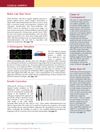
 Some cells may slow melanoma growth, a protein could affect skin pigmentation, a gene-silencing method might treat hair defects, skin bacteria changes likely result from eczema, and a defensin protein could help treat multiple sclerosis.
A 5 cm hair sample can reveal blood type and keratin type for forensic use.
98 citations
,
December 2015 in “The Journal of Cell Biology” Keratin is crucial for skin barrier formation and affects mitochondrial function.
69 citations
,
January 2009 in “Advances in Materials Science and Engineering” Wool keratin is reactive, biocompatible, biodegradable, and can model keratin from other sources.
47 citations
,
January 2024 in “iScience” Stress keratins are expressed less in diseased skin and are linked to differentiation, inflammation, and immunity.
 40 citations
,
July 2015 in “Journal of Cellular Biochemistry”
40 citations
,
July 2015 in “Journal of Cellular Biochemistry” Cysteine helps maintain keratin production in skin cells even when iron is low.
35 citations
,
April 2008 in “Journal of Biological Chemistry” Hirosaki hairless rats lack hair due to missing DNA with key keratin genes.
 11 citations
,
September 2012 in “The journal of investigative dermatology/Journal of investigative dermatology”
11 citations
,
September 2012 in “The journal of investigative dermatology/Journal of investigative dermatology” A mutation in the KRT71 gene causes a hair disorder by disrupting hair follicle structure and texture.
6 citations
,
October 1988 in “Clinics in Dermatology” The molecular details of hair growth are not well understood.
4 citations
,
April 2012 in “The journal of investigative dermatology/Journal of investigative dermatology” Krt16-deficient mice help understand skin disorders like PC and FNEPPK.
 3 citations
,
June 2017 in “Journal of Biomaterials Applications”
3 citations
,
June 2017 in “Journal of Biomaterials Applications” Keratin extract from human hair was found to promote hair growth in mice.
1 citations
,
January 1992 in “DNA sequence” Researchers found a non-functional sheep keratin gene due to mutations.
 April 2024 in “Advances in Redox Research”
 Human hair strength and health are linked to sulfur compounds that can be reduced by stress but improved with sulfur supplements.
 January 2002 in “Proceedings of The Japanese Society of Animal Models for Human Diseases”
 Keratin2-6g is crucial for hair follicle development, with mutations causing cell degeneration and vacuolation.
686 citations
,
February 2002 in “Current Opinion in Cell Biology” Keratin filaments are crucial for cell structure and protection, with ongoing discoveries about their genes and functions.
72 citations
,
December 2018 in “Journal of Experimental Zoology Part B Molecular and Developmental Evolution” Corneous beta-proteins evolved uniquely in reptiles and birds, forming scales, claws, beaks, and feathers.

The GG genotype of the KRT71 gene leads to longer wool in Gansu alpine fine-wool sheep.
318 citations
,
October 1998 in “The Journal of Cell Biology” Keratin 17 is important for skin development and may help define skin cell types.
98 citations
,
December 1991 in “Annals of the New York Academy of Sciences” Keratin gene regulation is similar across mammals, affecting hair follicle differentiation.