 July 2013 in “Our Dermatology Online”
 Minoxidil 2% is more effective than tacrolimus 0.1% for hair regrowth in mild to moderate patchy hair loss, and combining both might give better results.
17 citations
,
March 1985 in “Acta Dermato Venereologica” 1% topical minoxidil helped some hair regrow, but only one person had noticeable results.
11 citations
,
February 1986 in “Archives of Dermatology” A 5% minoxidil solution led to better hair regrowth in severe alopecia areata than a 1% solution, but results were often not cosmetically acceptable.
 May 1987 in “Inpharma (Balgowlah)”
 Topical minoxidil may slow hair loss but often doesn't lead to satisfactory hair regrowth and requires ongoing treatment.
3 citations
,
January 2002 in “Actas Dermo-Sifiliográficas” Excessive minoxidil use can damage hair structure.
 January 2023 in “International Journal of Medicine in Developing Countries”
 Topical minoxidil improved hair loss in a patient when used consistently.
October 2024 in “Más dermatología” Few people stick with topical minoxidil due to side effects, so alternatives and strategies are needed.
March 2025 in “Actas Dermo-Sifiliográficas” High-dose oral minoxidil can improve hair growth but may cause side effects.
 17 citations
,
May 1998 in “Contact Dermatitis”
17 citations
,
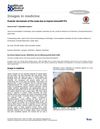
May 1998 in “Contact Dermatitis” Minoxidil can cause pustular allergic reactions on skin.
 3 citations
,
January 2018
3 citations
,
January 2018 A woman had an unusual allergic reaction to a hair loss treatment, which cleared up after stopping the treatment and using a different medication.
 September 2024 in “Journal of Skin and Stem Cell”
 MMP® with minoxidil may improve hair growth in chronic telogen effluvium.
 12 citations
,
January 2014 in “The Pan African medical journal”
12 citations
,
January 2014 in “The Pan African medical journal” Minoxidil caused unwanted hair growth in a child, but stopped after stopping treatment.
 8 citations
,
April 2019 in “Dermatologic Therapy”
8 citations
,
April 2019 in “Dermatologic Therapy” Tretinoin boosts minoxidil's effect on hair loss by increasing enzyme activity.
1 citations
,
April 2025 in “Drug Delivery and Translational Research”  104 citations
,
March 1987 in “Journal of The American Academy of Dermatology”
104 citations
,
March 1987 in “Journal of The American Academy of Dermatology” Minoxidil helps hair growth in 63.6% of alopecia patients, with 27.3% having excellent results.
January 2010 in “Annals of King Edward Medical University” The combination of minoxidil and betamethasone is more effective for hair regrowth than minoxidil alone.
January 1997 in “Fundamental & Clinical Pharmacology”  March 2023 in “The Scientific Issues of Ternopil Volodymyr Hnatiuk National Pedagogical University Series pedagogy”
 Both new minoxidil formulations effectively stimulated hair growth.
 4 citations
,
January 2017 in “Indian Dermatology Online Journal”
4 citations
,
January 2017 in “Indian Dermatology Online Journal” A child used a hair growth lotion for hair loss, but it caused excessive hair growth on his face and neck instead.
 July 2015 in “Actas Dermo-Sifiliográficas”
 A woman experienced excessive hair growth after using a hair loss treatment with minoxidil.
January 2022 in “Al-Mağallaẗ al-ʻirāqiyyaẗ li-l-ṣaydalaẗ” New minoxidil formulations improve hair loss treatment.
 54 citations
,
February 1986 in “Archives of Dermatology”
54 citations
,
February 1986 in “Archives of Dermatology” Higher minoxidil concentration (5%) works better for severe hair loss, with most patients seeing regrowth in 48-60 weeks.
November 2025 in “Revista Foco” Minoxidil effectively promotes hair growth for alopecia, especially when combined with other treatments and proper monitoring.
 October 2015 in “Elsevier eBooks”
 Minoxidil is effective for hair growth and safe for long-term use.
July 2013 in “DOAJ (DOAJ: Directory of Open Access Journals)” Minoxidil can effectively treat patchy hair loss by stimulating hair growth.
January 2025 in “Case Reports in Gastrointestinal Medicine” Topical minoxidil can cause severe liver failure.
 117 citations
,
August 2019 in “Drug Design Development and Therapy”
117 citations
,
August 2019 in “Drug Design Development and Therapy” Minoxidil effectively treats hair loss, but use cautiously and monitor side effects.
2 citations
,
January 2014 in “Journal of the American Academy of Dermatology” Topical minoxidil effectively promotes hair regrowth in male pattern baldness.
 January 2018 in “Elsevier eBooks”
 Minoxidil helps lower severe blood pressure and promotes hair growth but can have serious side effects and must be used continuously.
 1 citations
,
October 1990 in “The Lancet”
1 citations
,
October 1990 in “The Lancet” Using minoxidil for hair growth may cause skin lesions in some people, and taking breaks from nitrate patches for angina might worsen symptoms.