6 citations
,
November 2024 in “Frontiers in Immunology” Targeting autophagy can help treat skin disorders like vitiligo and atopic dermatitis.
6 citations
,
October 2024 in “Journal of Family Medicine and Primary Care” Primary care doctors need to monitor JAK and TYK-2 inhibitors carefully for skin conditions.
 6 citations
,
May 2023 in “Drugs”
6 citations
,
May 2023 in “Drugs” Baricitinib helps regrow hair in adults with severe alopecia better than a placebo and is approved for treatment, but long-term effects are still unknown.
 6 citations
,
April 2021 in “Frontiers in Immunology”
6 citations
,
April 2021 in “Frontiers in Immunology” A patient with lupus and long-term hair loss saw significant hair regrowth after using the drug tofacitinib.
5 citations
,
April 2025 in “Journal of Cosmetic Dermatology” Janus kinase inhibitors are effective and safe for treating Alopecia Areata.
5 citations
,
May 2023 in “Clinical Rheumatology” Tofacitinib helped regrow hair in a lupus patient with alopecia.
5 citations
,
January 2021 in “Indian Journal of Pharmacology” Nilotinib can cause generalized keratosis pilaris.
 4 citations
,
July 2025 in “Frontiers in Immunology”
4 citations
,
July 2025 in “Frontiers in Immunology” Early intervention with JAK inhibitors may prevent alopecia areata progression.
3 citations
,
September 2025 in “Frontiers in Immunology” JAK inhibitors are effective for treating moderate-to-severe alopecia areata.
 3 citations
,
August 2020 in “Case Reports in Dermatology”
3 citations
,
August 2020 in “Case Reports in Dermatology” Tofacitinib treatment significantly improved a patient's psoriasis, psoriatic arthritis, and alopecia universalis.
2 citations
,
September 2024 in “Expert Opinion on Drug Metabolism & Toxicology” Ritlecitinib is an effective new treatment for Alopecia Areata.
 2 citations
,
January 2023 in “International journal of biological sciences”
2 citations
,
January 2023 in “International journal of biological sciences” Gray hair can potentially be reversed, leading to new treatments.
 2 citations
,
November 2021 in “ACG Case Reports Journal”
2 citations
,
November 2021 in “ACG Case Reports Journal” Tofacitinib successfully treated hair loss in a Crohn's disease patient who previously used adalimumab.
 2 citations
,
May 2017 in “InTech eBooks”
2 citations
,
May 2017 in “InTech eBooks” Stem cells could improve hair growth and new treatments for baldness are being researched.
 1 citations
,
May 2023 in “Prospects in Pharmaceutical Sciences”
1 citations
,
May 2023 in “Prospects in Pharmaceutical Sciences” New cytokine-targeted therapies show promise for treating alopecia areata.
 1 citations
,
January 2020 in “Surgical & Cosmetic Dermatology”
1 citations
,
January 2020 in “Surgical & Cosmetic Dermatology” Combining oral minoxidil with JAK inhibitors helps regrow hair in severe alopecia areata cases.
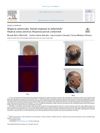 1 citations
,
July 2019 in “Medicina Clínica (English Edition)”
1 citations
,
July 2019 in “Medicina Clínica (English Edition)” Tofacitinib partially improved hair regrowth in a patient with severe hair loss.
 1 citations
,
July 2014 in “International Journal of Dermatology”
1 citations
,
July 2014 in “International Journal of Dermatology” A cancer patient developed a type of hair loss after starting a cancer drug called vandetanib.
 June 2026 in “Saudi Medical Horizons Journal”
 JAK inhibitors show promise in treating skin conditions like eczema, hair loss, and vitiligo but need more safety research.
 May 2026 in “International Journal of Molecular Sciences”
 Chemotherapy-induced hair loss may be linked to immune system changes, and certain treatments could help but need careful use.
 April 2026 in “Antibodies”
 The role of antibodies in alopecia is unclear, but JAK inhibitors show promise for treatment.
 April 2026 in “Journal of Inflammation Research”
 Alopecia areata and atopic dermatitis share immune system issues, and treatments like JAK inhibitors can help both.
January 2026 in “Medicina” JAK inhibitors show promise for treating various skin disorders effectively and safely.
JAK inhibitors effectively regrow hair in alopecia areata but hair loss often returns after stopping treatment.
December 2025 in “Actas Dermo-Sifiliográficas” Ritlecitinib is effective and safe for treating severe alopecia areata in people aged 12 and older.
November 2025 in “Journal of Investigative Dermatology” Ritlecitinib effectively treats severe Alopecia Areata by reducing harmful immune activity in the skin.
November 2025 in “Journal of Medicinal Chemistry” Topical PROTACs show promise for treating skin conditions but need better stability and delivery methods.
 October 2025 in “JEADV Clinical Practice”
 The name Janus is fitting for JAK inhibitors as they revolutionize dermatology treatments.
 September 2025 in “Australasian Journal of Dermatology”
 New medications could improve treatment for severe alopecia areata in Australia.
 July 2025 in “Journal of Cosmetic Dermatology”
 Alternative treatments are needed when Tofacitinib alone fails for alopecia areata.