36 citations
,
July 1996 in “The journal of investigative dermatology/Journal of investigative dermatology” Mice with the 'lanceolate hair' mutation have abnormal hair and skin similar to human Netherton's syndrome.
 2 citations
,
November 1995 in “American Journal of Obstetrics and Gynecology”
2 citations
,
November 1995 in “American Journal of Obstetrics and Gynecology” Taking vitamin B6 corrected a pregnant woman's metabolic disorder, which changed her hair color.
1 citations
,
October 2025 in “International Journal of Dermatology” Ritlecitinib improves emotional well-being and activity levels in alopecia areata patients.
July 2026 in “Journal of the American Academy of Dermatology”  April 2023 in “The journal of investigative dermatology/Journal of investigative dermatology”
 A PTH-based treatment improved hair regrowth better than ruxolitinib in a mouse model of hair loss.
48 citations
,
March 2007 in “The journal of investigative dermatology/Journal of investigative dermatology” Retinoic acid production and signaling in hair follicles are regulated by location and timing, affecting hair growth and cycling.
29 citations
,
July 2004 in “The journal of investigative dermatology/Journal of investigative dermatology” The enzymes Aldh1a2 and Aldh1a3 are involved in making retinoic acid in hair follicles and have different roles in hair growth.
28 citations
,
February 2010 in “Experimental Dermatology” The frizzy mouse and hairless rat mutations are due to changes in the Prss8 gene.
 1 citations
,
September 2022 in “Journal of The American Academy of Dermatology”
1 citations
,
September 2022 in “Journal of The American Academy of Dermatology” Baricitinib helps grow eyebrows and eyelashes in severe alopecia areata patients.
36 citations
,
February 1998 in “Journal of Anatomy” Fibre optic confocal imaging can visualize skin layers, blood vessels, and nerves in live mice.
11 citations
,
November 1966 in “Experimental Biology and Medicine” Hair diameter can indicate protein status in malnourished children if sample location is controlled.
7 citations
,
July 2022 in “Quality of Life Research” 80% scalp hair regrowth is a successful treatment for alopecia areata.
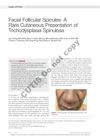
Trichodysplasia spinulosa can occur after a heart transplant due to immunosuppressive drugs.
 185 citations
,
June 2014 in “Journal of Investigative Dermatology”
185 citations
,
June 2014 in “Journal of Investigative Dermatology” A man with severe hair loss and skin disease regrew his hair with no side effects after taking tofacitinib.
86 citations
,
January 2020 in “British Journal of Dermatology” The AA-IGA scale reliably measures treatment success in alopecia areata by considering both clinician and patient views.
 66 citations
,
June 2021 in “Journal of The American Academy of Dermatology”
66 citations
,
June 2021 in “Journal of The American Academy of Dermatology” Baricitinib is effective and safe for treating severe alopecia areata.
 25 citations
,
October 2019 in “JAAD Case Reports”
25 citations
,
October 2019 in “JAAD Case Reports” Baricitinib helped a woman with severe hair loss regrow almost all her hair without side effects.
21 citations
,
February 2024 in “JAMA Dermatology” Alopecia areata severity is influenced by factors like long disease duration, relapses, treatment response, and mental health, leading to the creation of a new severity measurement tool.
20 citations
,
December 2021 in “Journal of the American Academy of Dermatology” Continuous treatment with ritlecitinib and brepocitinib is needed to maintain hair regrowth in alopecia areata.
13 citations
,
February 2025 in “Journal of the European Academy of Dermatology and Venereology” Ritlecitinib shows promise for treating alopecia areata, especially with early and extended treatment.
 13 citations
,
September 2018 in “Journal of the American Academy of Dermatology”
13 citations
,
September 2018 in “Journal of the American Academy of Dermatology” The document concludes that a new system using the SALT score should replace the current alopecia areata classification for better accuracy in assessing severity and prognosis.
 7 citations
,
August 2023 in “Journal of the American Academy of Dermatology”
7 citations
,
August 2023 in “Journal of the American Academy of Dermatology” JAK inhibitors offer new hope for treating severe alopecia areata.
 3 citations
,
October 2020 in “Journal of Investigative Dermatology Symposium Proceedings”
3 citations
,
October 2020 in “Journal of Investigative Dermatology Symposium Proceedings” The main goal for new Alopecia Areata treatments should be significant improvement in scalp hair growth.
 1 citations
,
August 2022 in “JAAD case reports”
1 citations
,
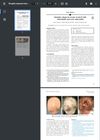
August 2022 in “JAAD case reports” Tofacitinib and oral minoxidil may help treat Sisaipho alopecia areata.
 March 2026 in “American Journal of Clinical Dermatology”
 Ritlecitinib is effective and safe for long-term use in treating severe alopecia areata in people aged 12 and older.
Baricitinib effectively promotes regrowth of eyebrows and eyelashes in alopecia areata patients.
 September 2024 in “Journal of the American Academy of Dermatology”
 Continued baricitinib treatment leads to significant scalp hair regrowth in severe alopecia areata patients.
September 2024 in “Journal of the American Academy of Dermatology” Eyebrow and eyelash regrowth usually matches scalp hair response in alopecia areata patients treated with baricitinib.
 May 2023 in “Journal of managed care & specialty pharmacy”
 Alopecia areata causes hair loss and life quality issues; current treatments are often unsatisfactory, but new drugs like JAK inhibitors show promise.
 April 2021 in “Research Square (Research Square)”
 Achieving 80% or more scalp hair regrowth is considered a successful treatment for significant hair loss.